Written scope
Equipment models, circuit sizes and fixed price
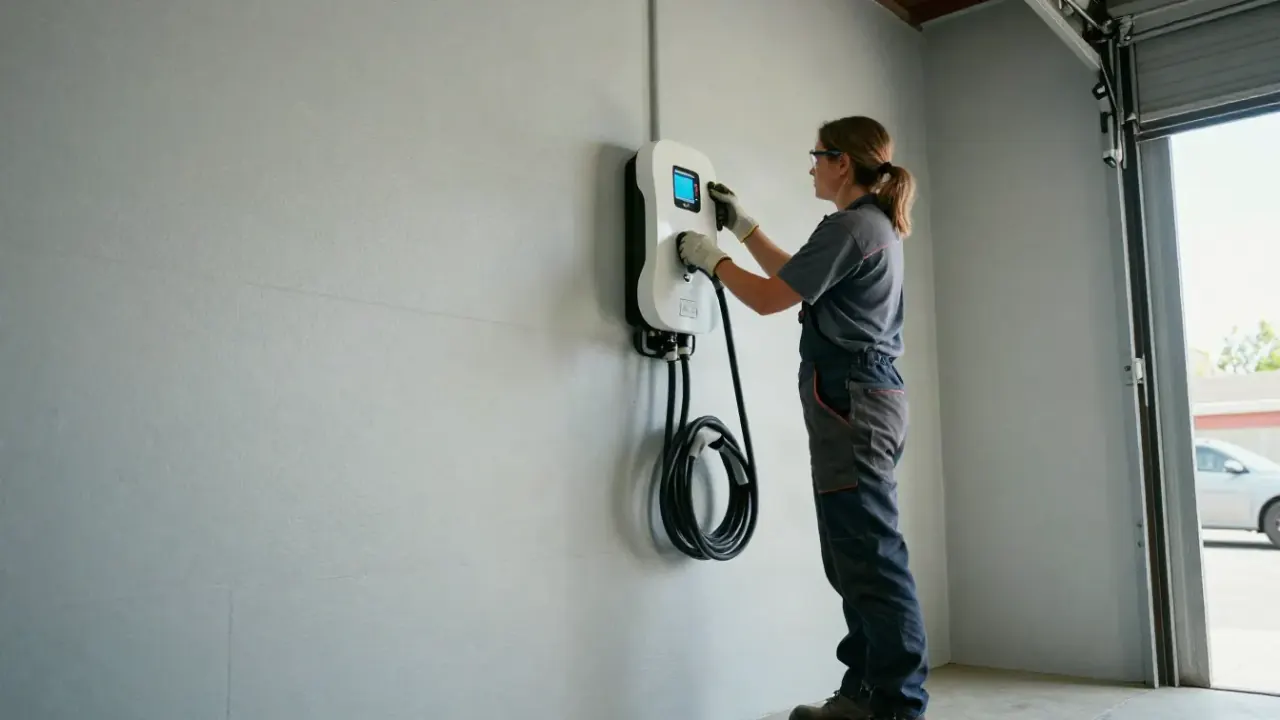
Commercial and Workplace Charger Installation Redondo Beach CA covers the full job: load assessment, dedicated circuits, mounting and commissioning for offices, retail centers and apartment properties. We work with property managers, business owners and HOAs across Los Angeles County who need reliable charging without shutting down operations. If you are comparing business EV charging station installation in Redondo Beach, start with a load check and a written scope before you buy hardware.
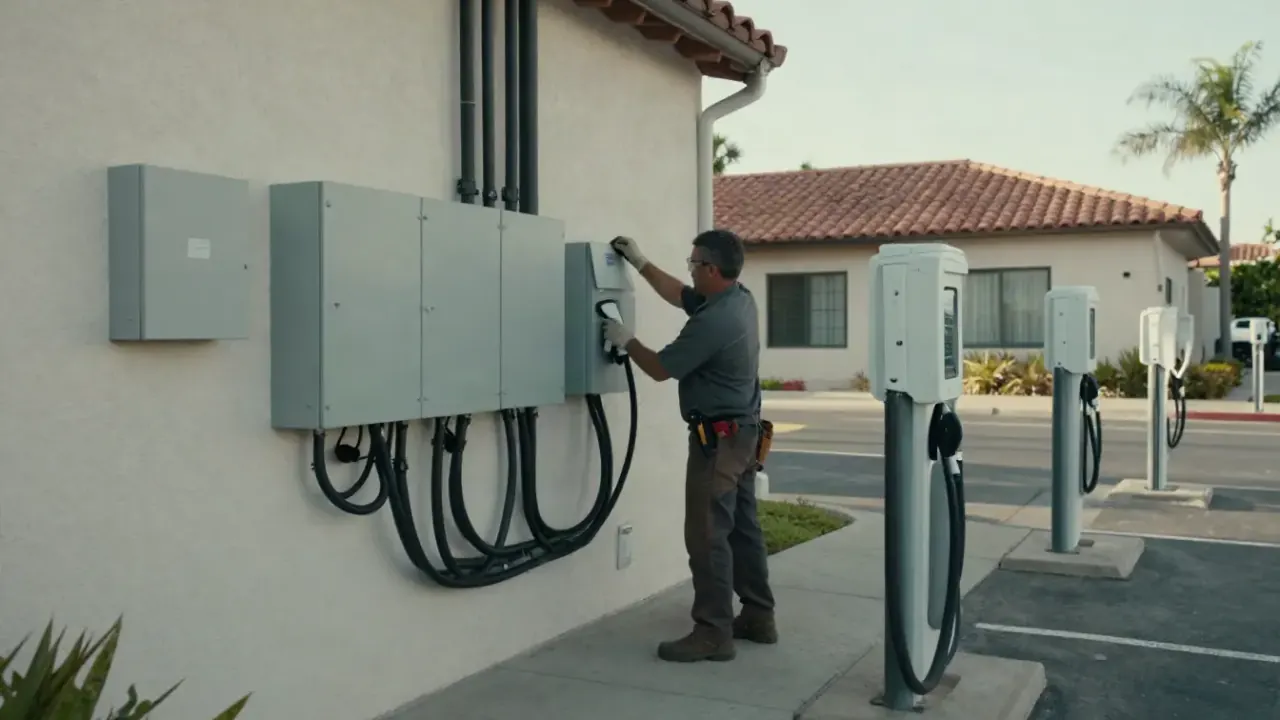
Every commercial job includes the electrical infrastructure, the permit work and the commissioning. Hardware is quoted separately so you can pick the brand and network that fits your property.
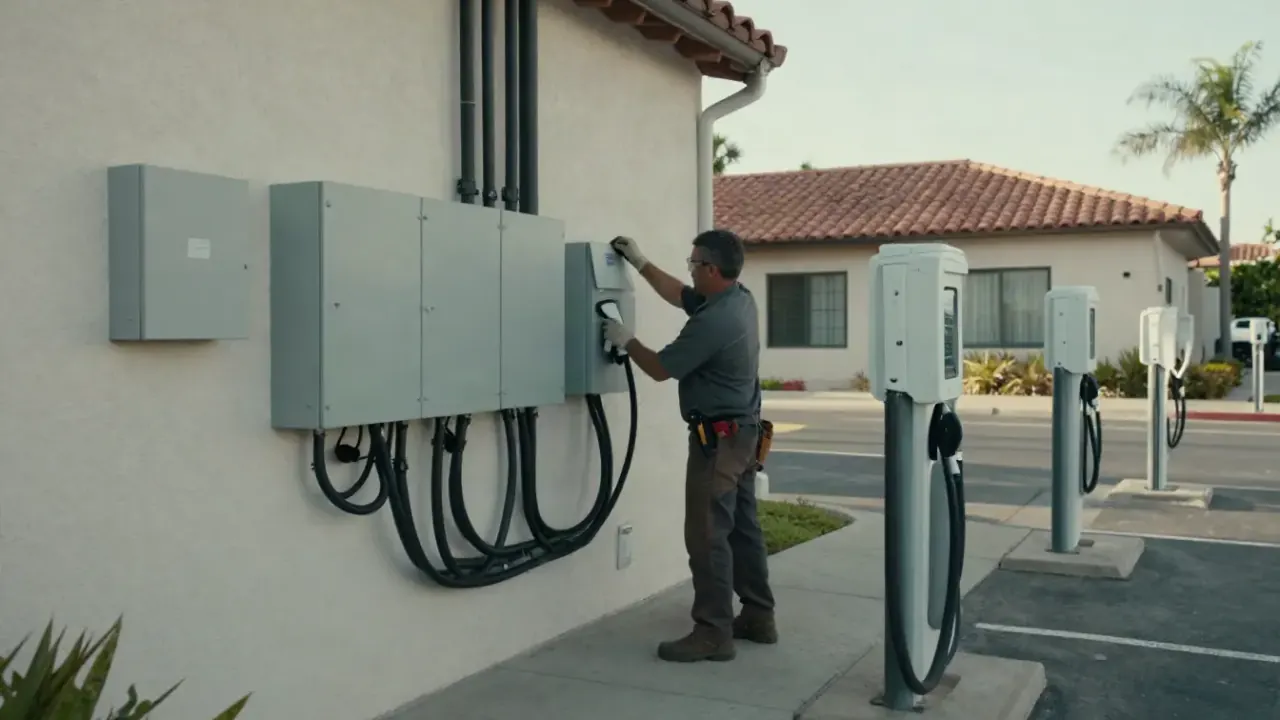
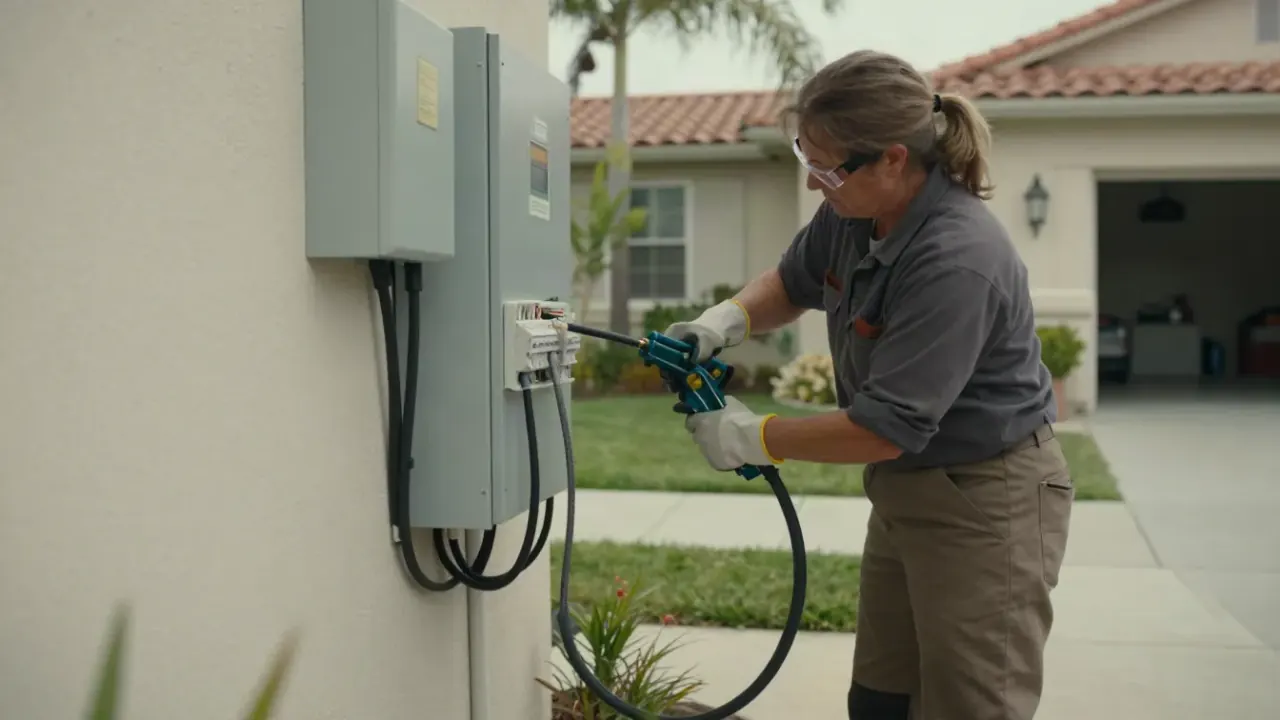
Home charging follows the same electrical rules as commercial work, just at a smaller scale. We check your panel, run a dedicated 240V circuit and set the unit where the cable reaches your parking spot.
Commercial jobs need a load calculation, a permit and a plan for shared parking. We design the feeder and conduit so you can add ports later without re-trenching.
Commercial and Workplace Charger Installation Redondo Beach CA is electrical work that adds Level 2 charging to a business property, from the main panel to the parking stall. We check available capacity, run a dedicated 240V circuit, mount the unit and commission it. A single-port job often needs a 40 to 60 amp breaker and 6 AWG copper wire; multi-port jobs may need a subpanel. Every install is built to NEC Article 625 and NEC Article 220 load calculations, not guesswork.
Most Redondo Beach properties were built long before EV charging existed. Panels are full, conduit runs are long, and parking is shared. That is why commercial EV charger installation Redondo Beach starts with a load assessment instead of a hardware sale. We map the service, measure voltage drop on long runs, and tell you what your building can actually support. If you search commercial EV charging installation near me Redondo Beach, the first answer should be a capacity number, not a sales pitch.
We size the circuit to the building, then install the charger that fits it.
Five steps, from the first walk-through to the final load test. You get a written scope, a permit number and a commissioning report at the end.
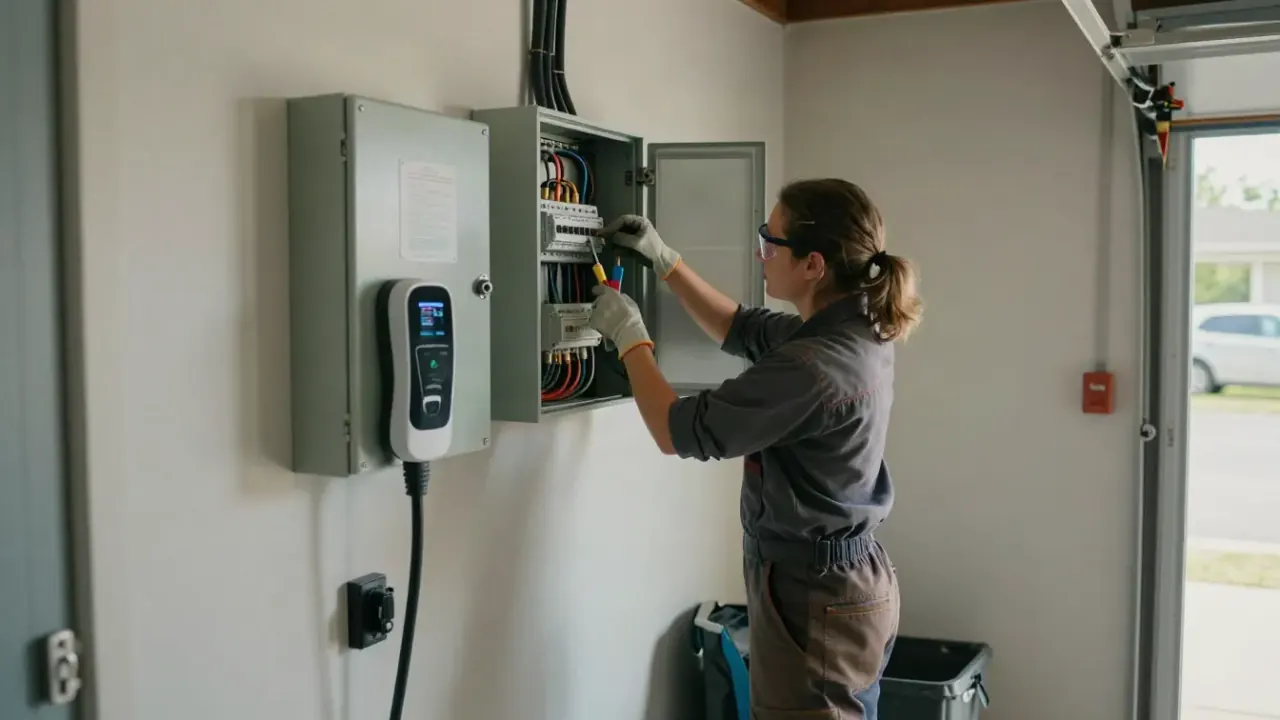
We walk the property with you, look at the main service, count parking stalls and trace the easiest conduit path. Bring your panel photos if you have them. This visit usually takes 30 to 45 minutes and ends with a rough port count and a capacity read.
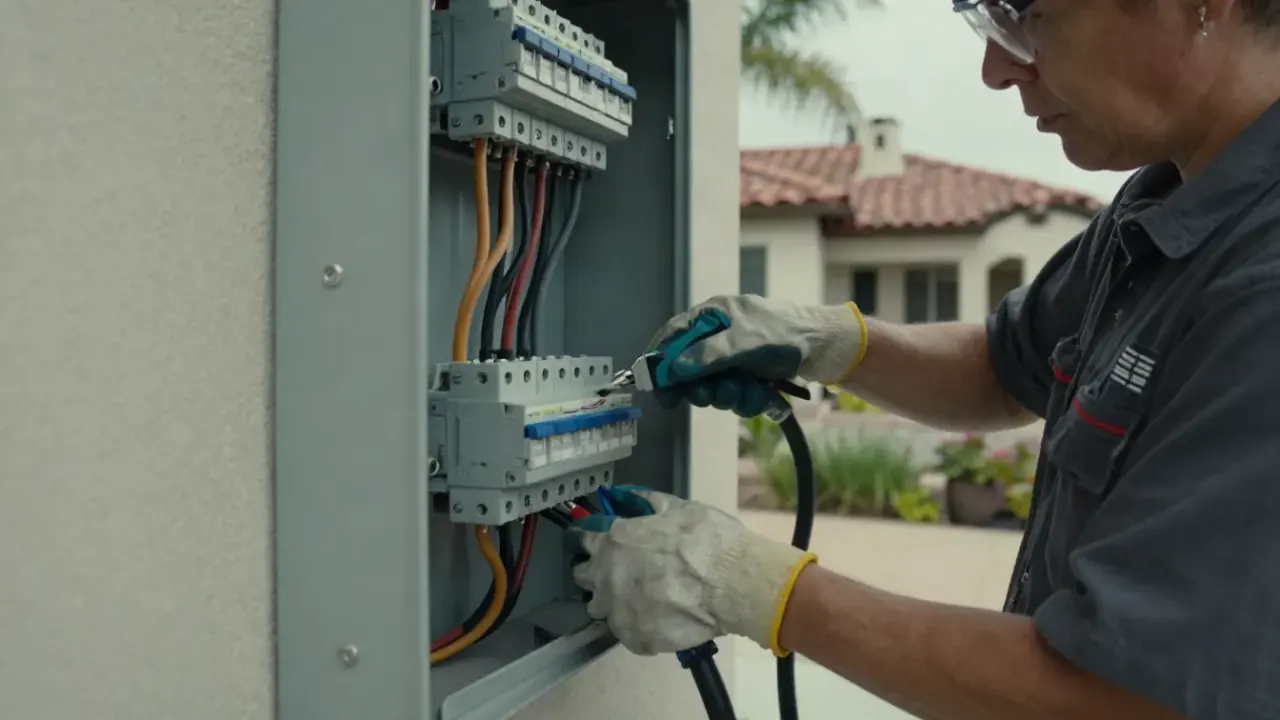
We run a NEC Article 220 calculation on your existing service and measure available capacity. If the panel is full, we price a subpanel. You get a number in amps, not a vague answer, plus a recommendation on how many Level 2 ports the building can safely carry.
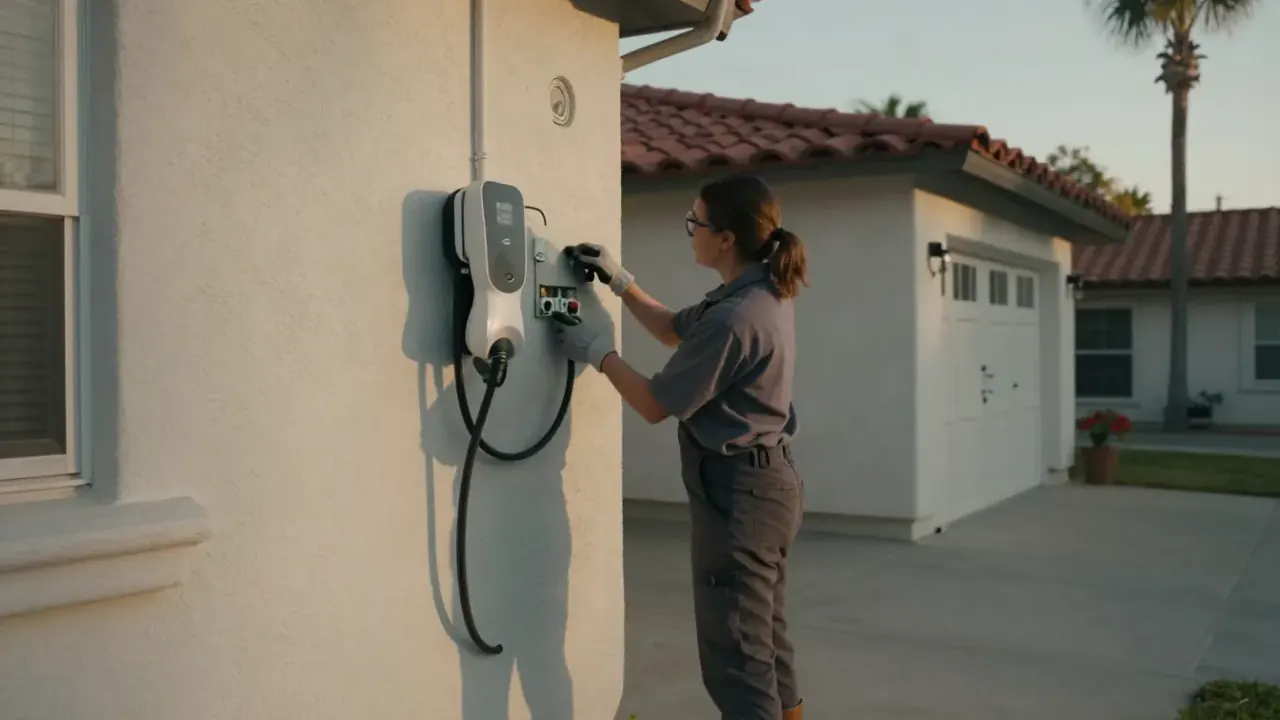
You receive a written scope with equipment models, circuit sizes, conduit routing, permit responsibility and a fixed price. We list the charger brands we work with, including ChargePoint, Enel X, Wallbox and Tesla Wall Connector, so you can match hardware to your management software.
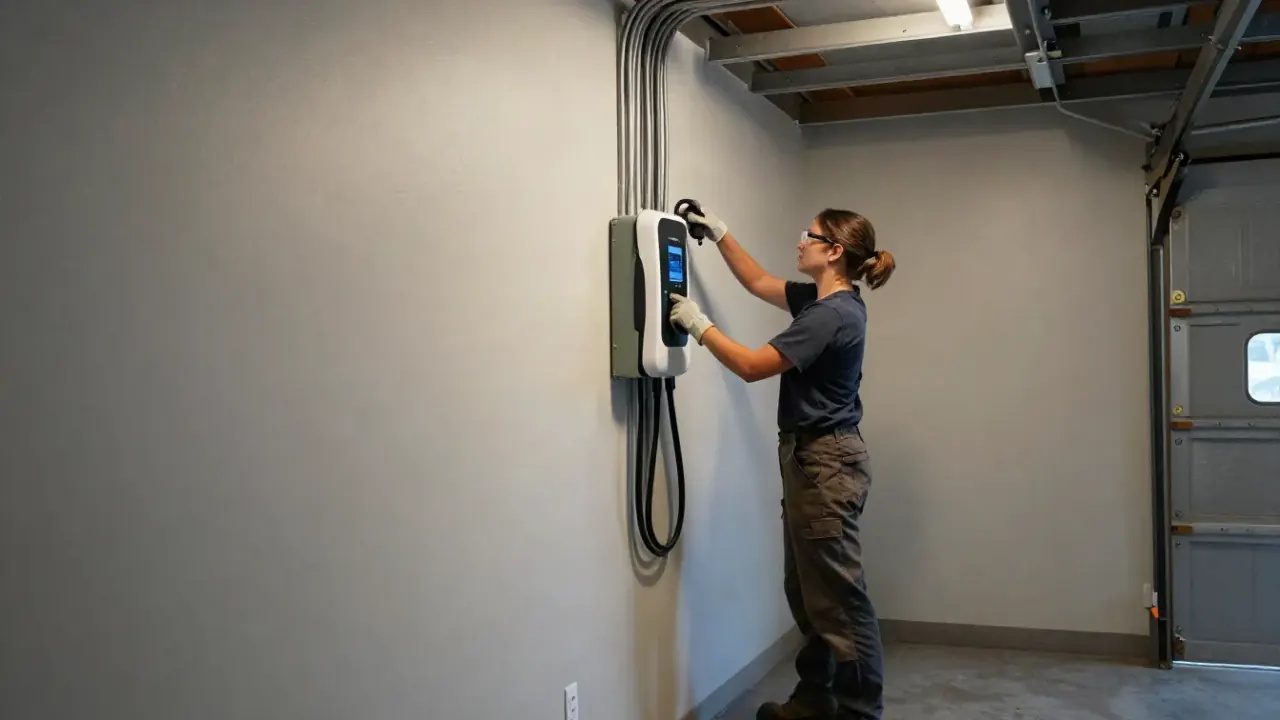
We pull the permit, install the conduit, breaker and mounting brackets, and set each unit. Most single-port jobs finish in one day; a four-port install runs two to three days. We schedule around your business hours so the lot stays usable.
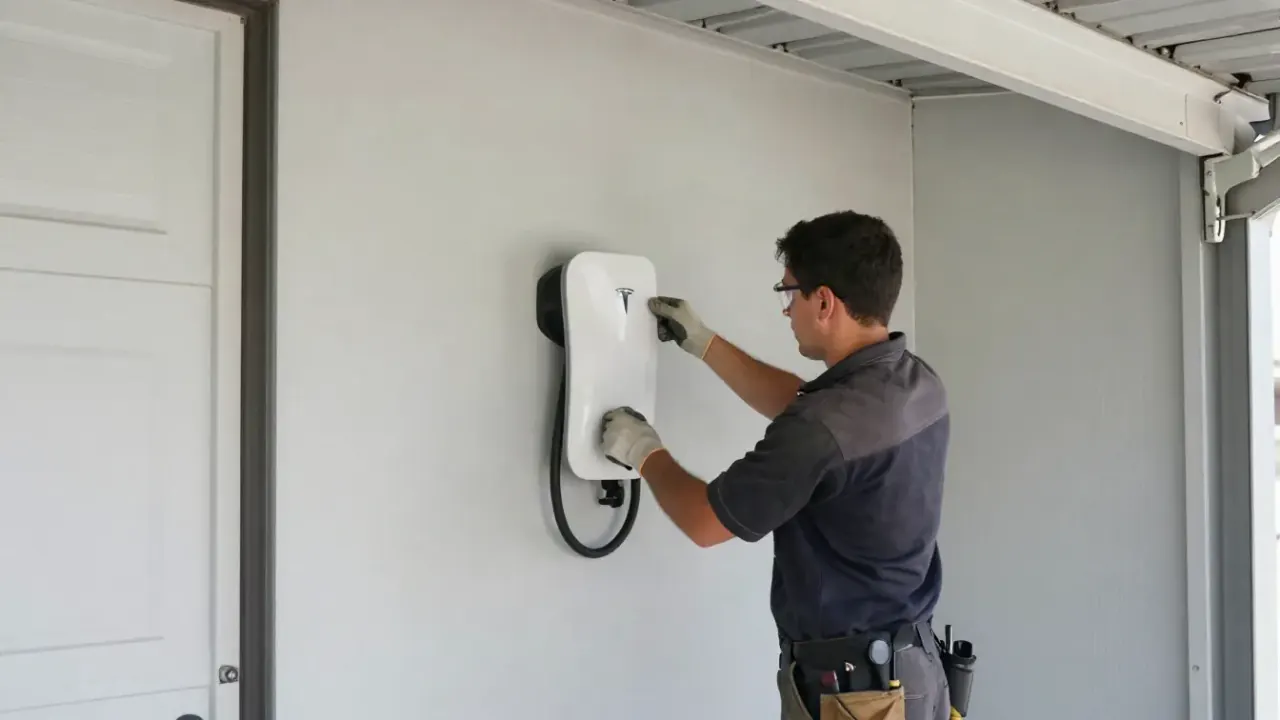
We torque every connection, test the GFCI breaker, verify voltage at the unit and charge a vehicle to confirm communication. You get photos, the permit sign-off and a short walkthrough on how to reset a charger and who to call if one goes offline.
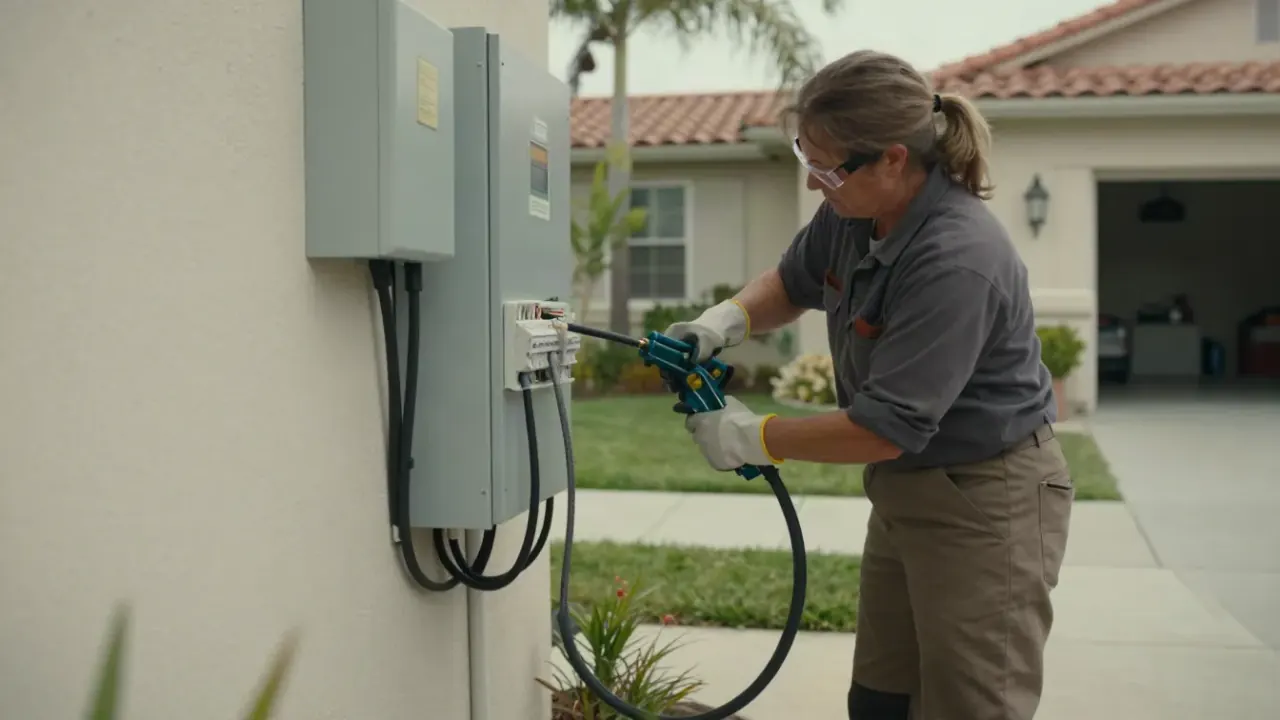
Used to verify voltage at the charger, check for ground faults and confirm the GFCI breaker trips correctly before we hand the station over.
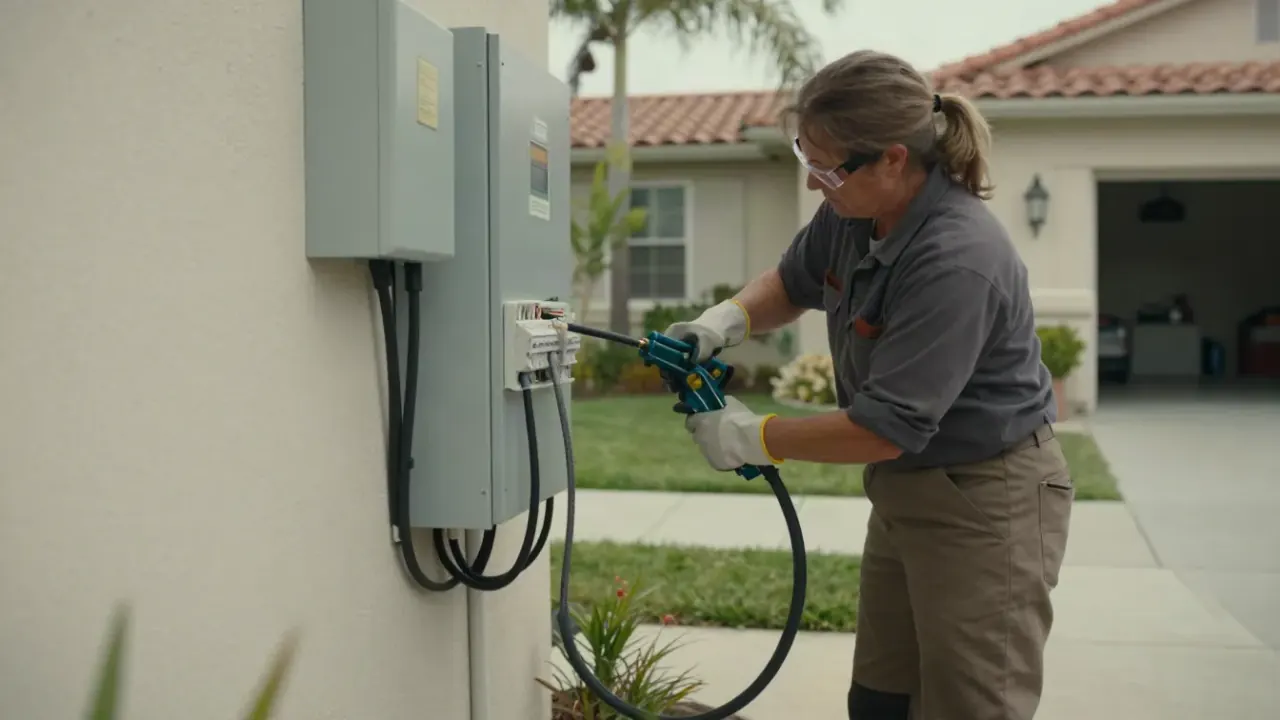
Every lug and terminal gets set to the manufacturer's torque spec. Loose wiring connections are one of the most common causes of overheating chargers.
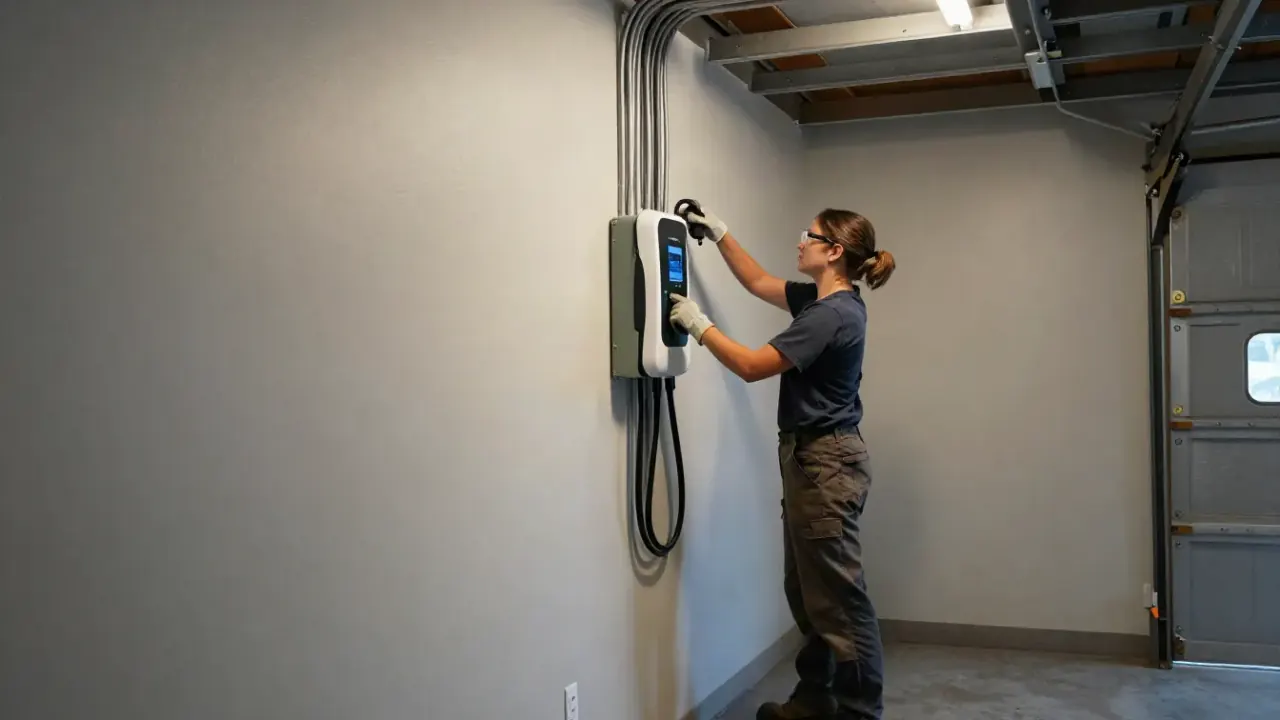
Clean terminations on 6 AWG and 8 AWG copper wire, with cable clamps at every box entry to protect conductors from abrasion in conduit runs.
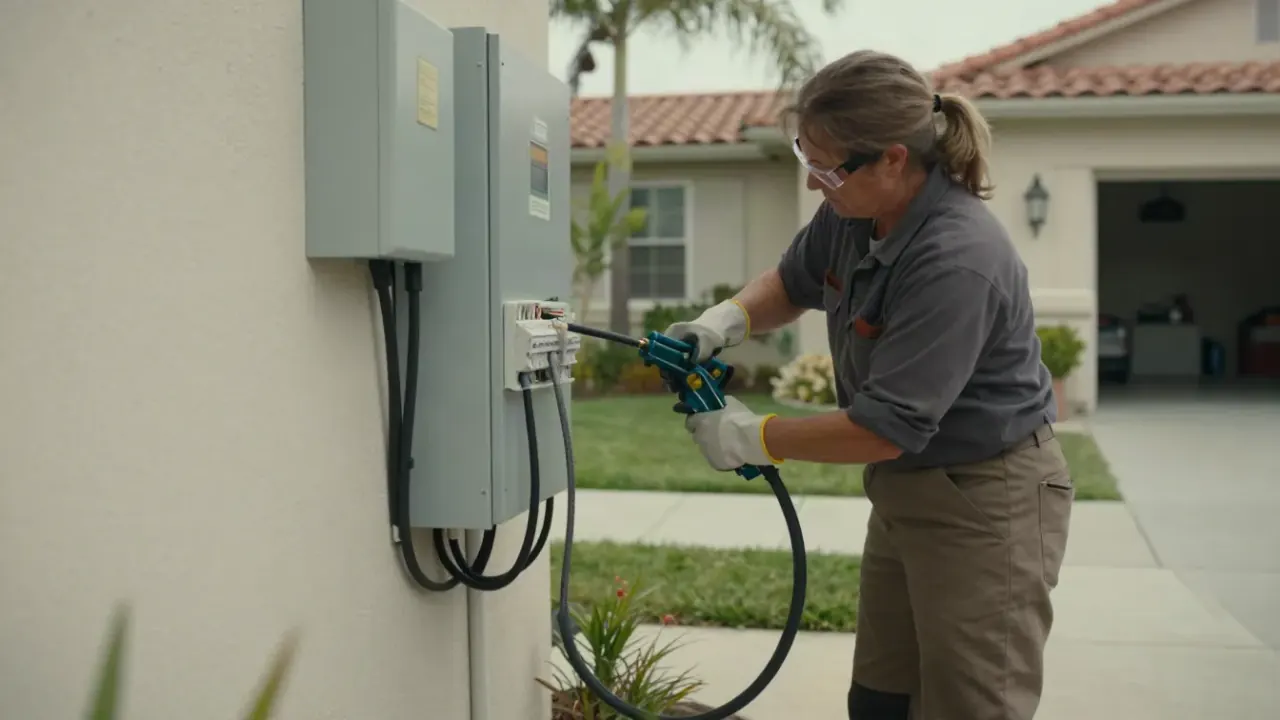
The units we install most often in commercial lots. We also work with ChargePoint, Enel X, JuiceBox, Wallbox, Emporia, ClipperCreek, Siemens, Schneider Electric and Leviton hardware.
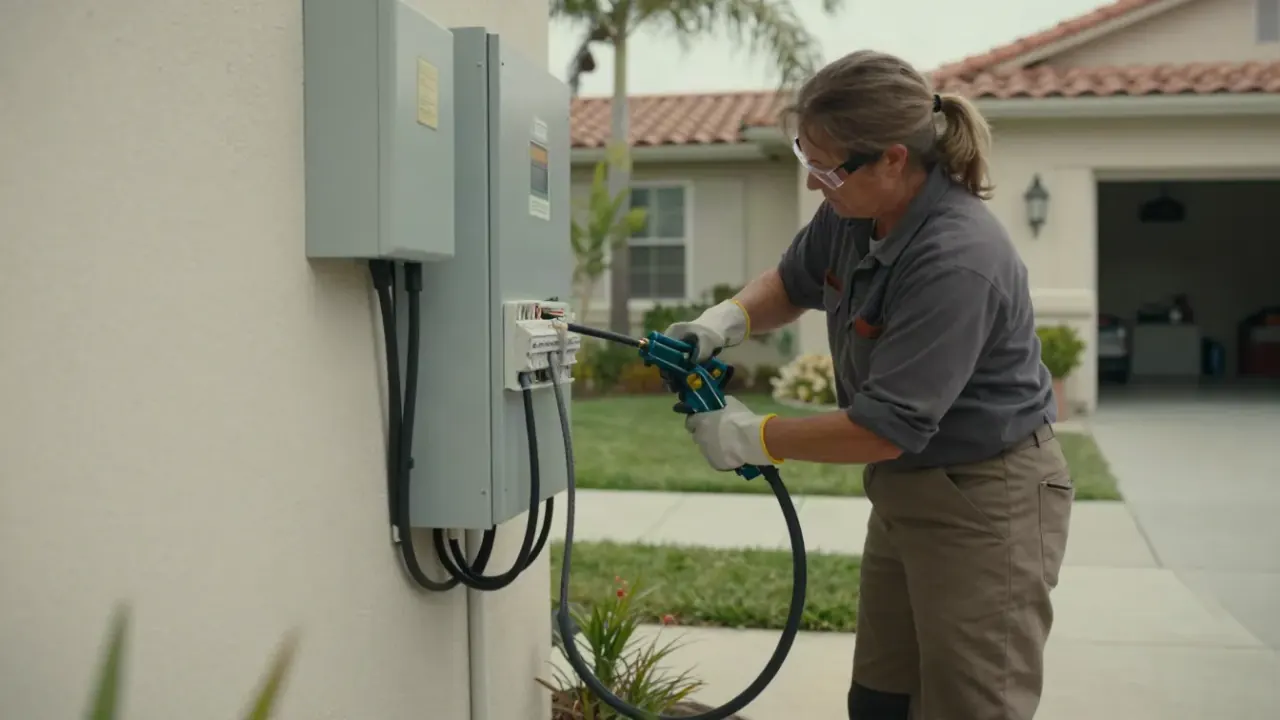
Sized to the charger's amperage and the conductor gauge. GFCI protection is required in many commercial garage locations and we test it at commissioning.
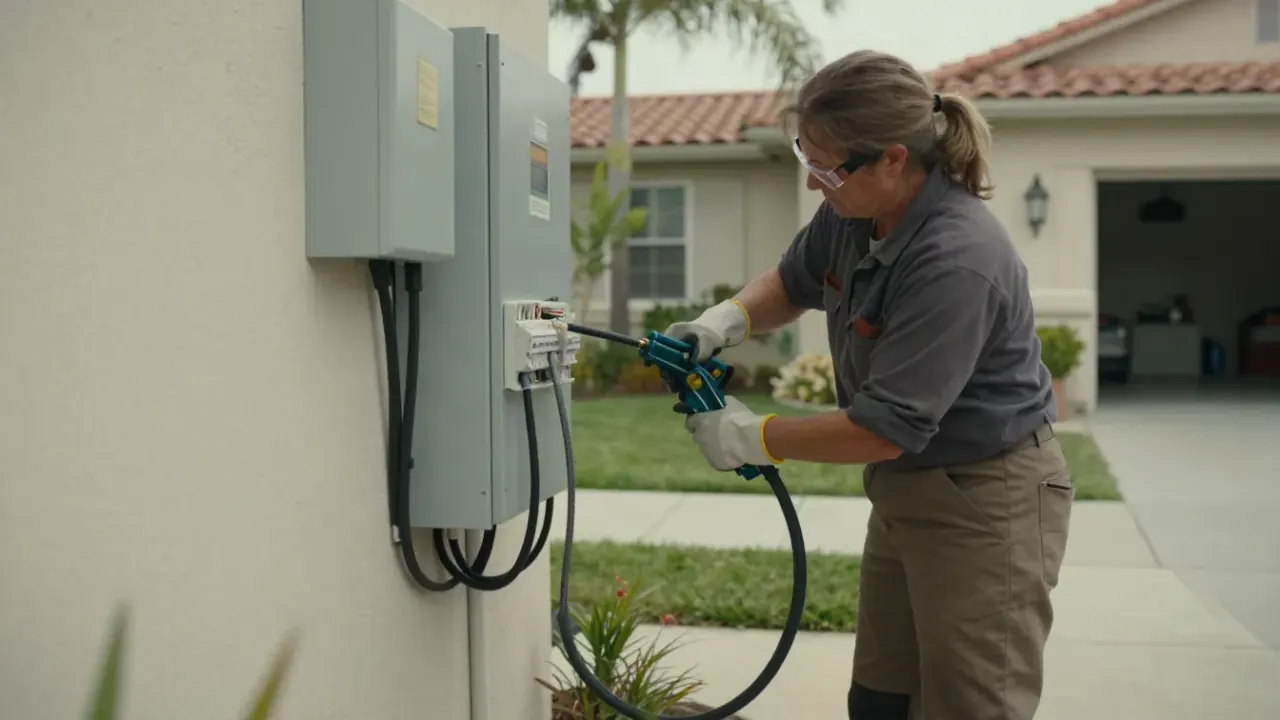
Sets the unit at the right height and keeps the cable off the ground in shared parking, which reduces damage and keeps drive aisles clear.
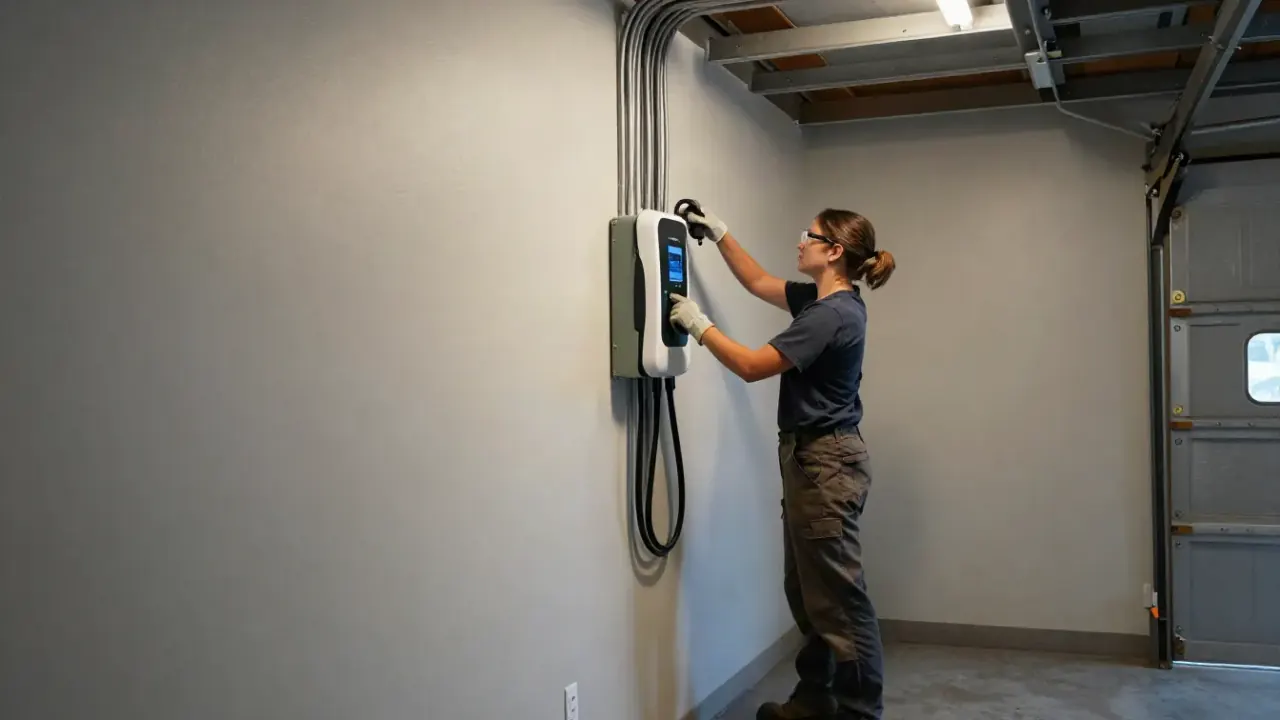
We calculate existing demand on your service before quoting any charger. This is how we tell you how many Level 2 ports the building can support and whether a subpanel or service upgrade is required.
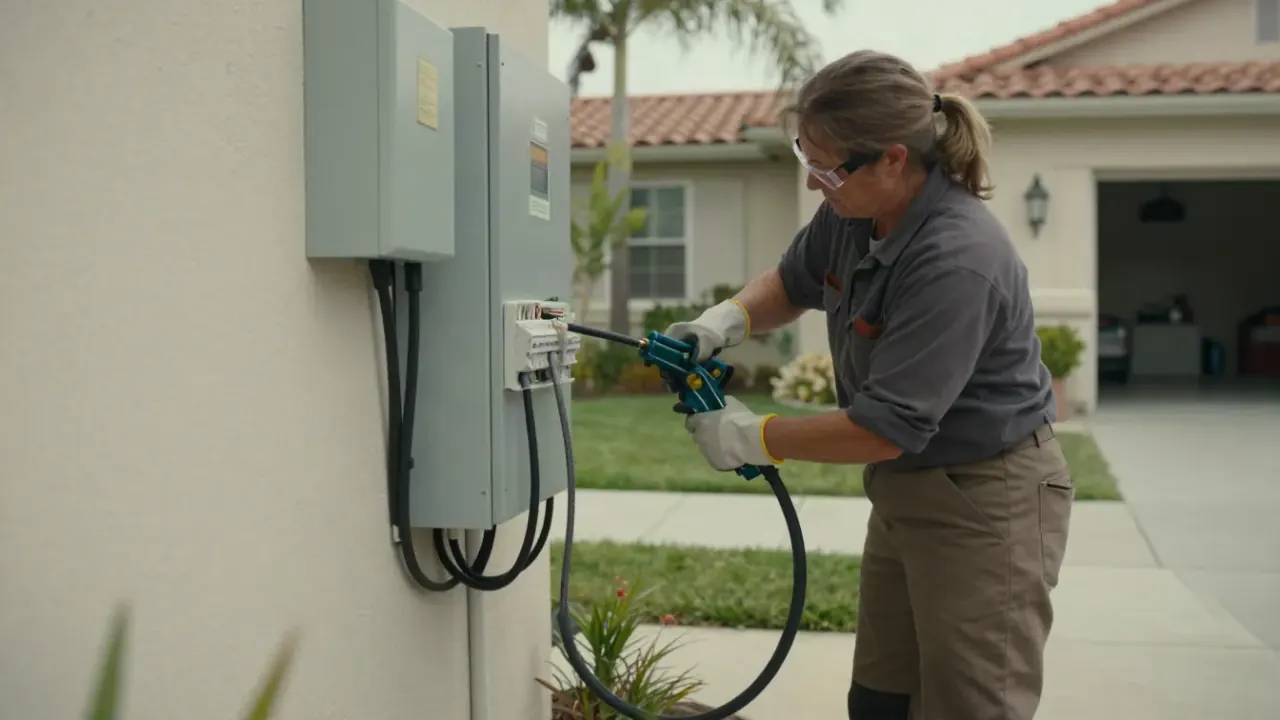
The article that governs EV charging equipment installation. It covers conductor sizing, disconnect requirements, GFCI protection and listing. We build to it on every commercial job and document it for the inspector.
We run the load calculation, install a subpanel fed from the main service and set two Level 2 units with a feeder sized for six ports. The permit and inspection are handled in the same visit schedule. Employees charge on site, and the property can add four more ports later without new trenching or a service upgrade.
We install a single ChargePoint unit on a dedicated 240V circuit with a NEMA 14-50 outlet option for portable cords, keeping the run short and the cost predictable. Shoppers get a usable charge in 60 to 90 minutes, and the owner has one networked station to manage instead of a full bank.
We design designated stalls, install a subpanel and set four Level 2 chargers with holsters and cable management, then document the load calculation for the board and the inspector. The HOA gets a code-correct install with clear records, and residents stop running extension cords across the garage floor.
We install a subpanel, run four dedicated circuits and set commercial-grade units with a load-management setup so charging runs overnight without competing with shop equipment. Vans leave fully charged each morning, and the operator has usage data to track cost per vehicle.
Redondo Beach sits in Los Angeles County, and the building stock here shapes every commercial charging job. Most properties were built decades before EVs, so panels are full and conduit runs cross shared garages, alleys and parking decks. Coastal air adds salt and moisture, which is why we seal conduit entries and check junction boxes for corrosion on every install. We work in ZIP codes 90278 and 90277, from North Redondo to Riviera Village, and we know how local inspectors want load calculations and permit documents formatted. If you are pricing business EV charging station installation near me Redondo Beach, expect the site walk to focus on panel capacity and trenching distance first, because those two items drive most of the cost. For a workplace EV charger installation in Knob Hill Redondo Beach or a retail lot near the pier, we schedule around business hours so parking stays usable. Summer heat and winter rain both affect outdoor equipment, so we mount units where they get shade and drainage, not standing water.
A 24-unit North Redondo building had a full main panel and no charging. Tenants ran extension cords from a hallway outlet, and the property manager had already received two complaints about tripping breakers.
We installed a subpanel, ran one feeder and set four Level 2 chargers with holsters. The inspector signed off first visit, and the building now supports 12 to 16 charging sessions per week across the four stalls.
We label the subpanel breakers, show the manager how to reset a unit and recommend an annual torque and corrosion check on outdoor connections.
A Riviera Village shop wanted customer charging but had no spare capacity and a short lease. The owner did not want to commit to a large install or a long trench across the lot.
We set one ChargePoint unit on a dedicated 240V circuit with a short conduit run. Customers get 60 to 90 minutes of charging, and the owner manages one station instead of a bank.
Keep the unit firmware updated and wipe the connector contacts monthly. We check the breaker and torque annually, and the owner can call us if the unit goes offline.
A Torrance fleet operator charged four vans on a single 120V outlet, which took all night and sometimes left a van short. The shop panel had capacity but no dedicated circuits.
We installed a subpanel and four dedicated 240V circuits with commercial-grade units. Vans now charge in four to six hours overnight, and the operator has usage data per vehicle.
We set a load-management schedule so charging runs after shop equipment shuts down, and we recommend a yearly inspection of connections and breaker torque.
Most commercial charger failures trace back to the electrical side: undersized circuits, bad connections or a panel that was never sized for the load. Here is what we see and how we handle it.
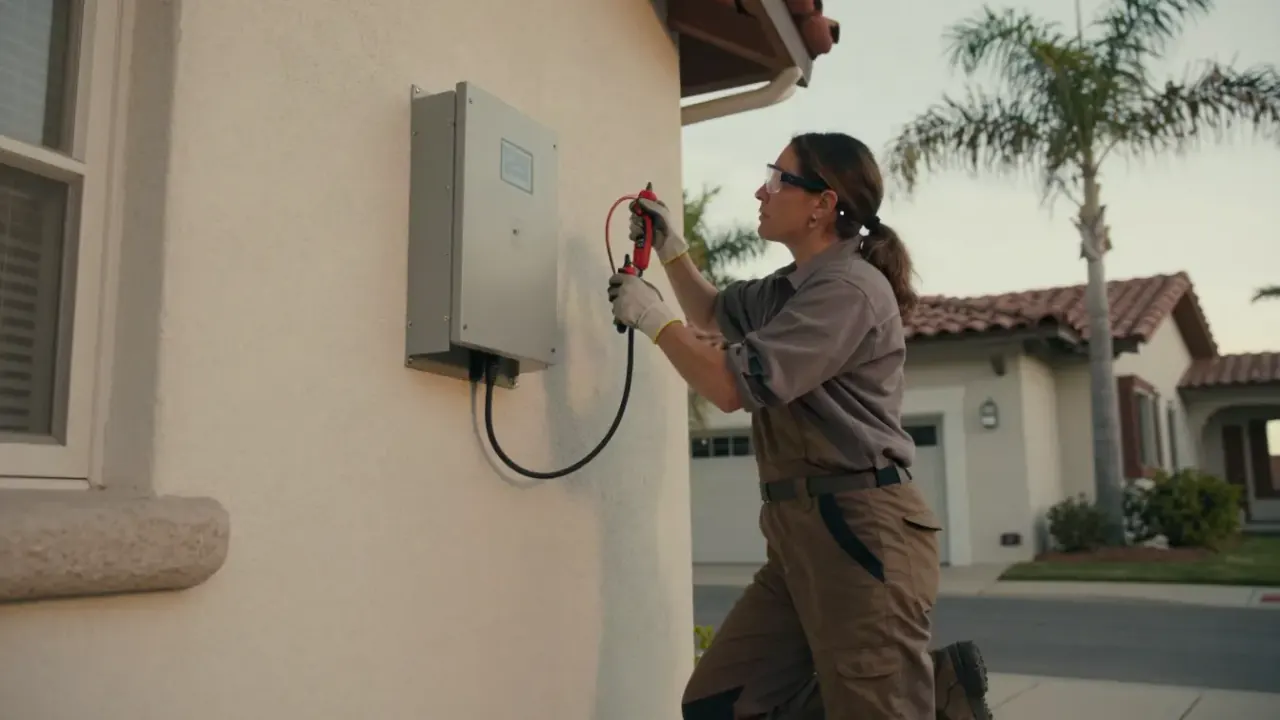
We run a NEC Article 220 load calculation, then install a subpanel or a load-managed setup so charging shares capacity safely with your existing equipment. You get a real amperage number and a design that passes inspection. Adding chargers to a full panel causes breaker overload, nuisance trips and, in the worst case, a main disconnect that takes down the whole property.
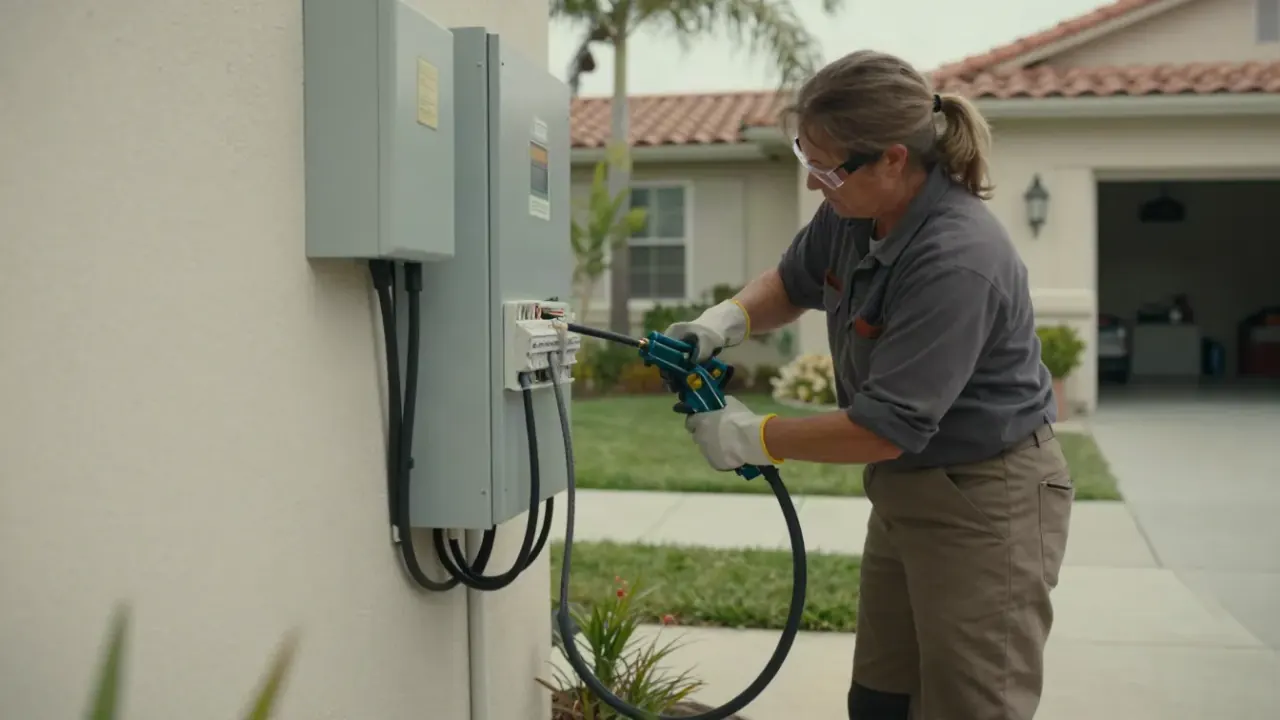
We test the circuit with a multimeter, inspect for moisture in the conduit and junction box, and check the charger's internal ground fault settings. Most tripping issues come down to a wiring or grounding defect we can correct in one visit. A charger that trips every few days gets abandoned by drivers, and repeated tripping can point to a ground fault that damages equipment over time.
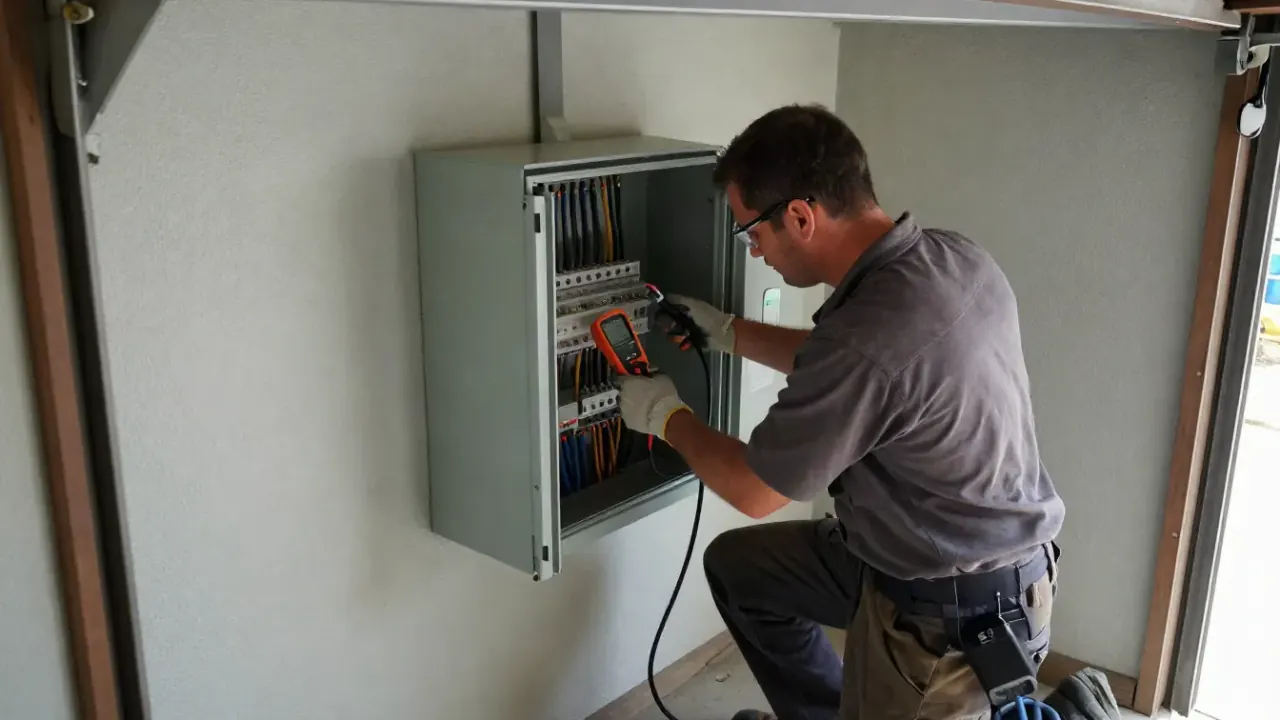
We check torque on every connection, verify wire gauge against the breaker size, and confirm the unit's firmware and network settings. Loose wiring connections and undersized conductors cause most overheating, and both are fixable. Overheating shortens unit life and creates a fire risk in a shared garage. Communication faults leave you with no usage data and no way to bill or manage sessions.
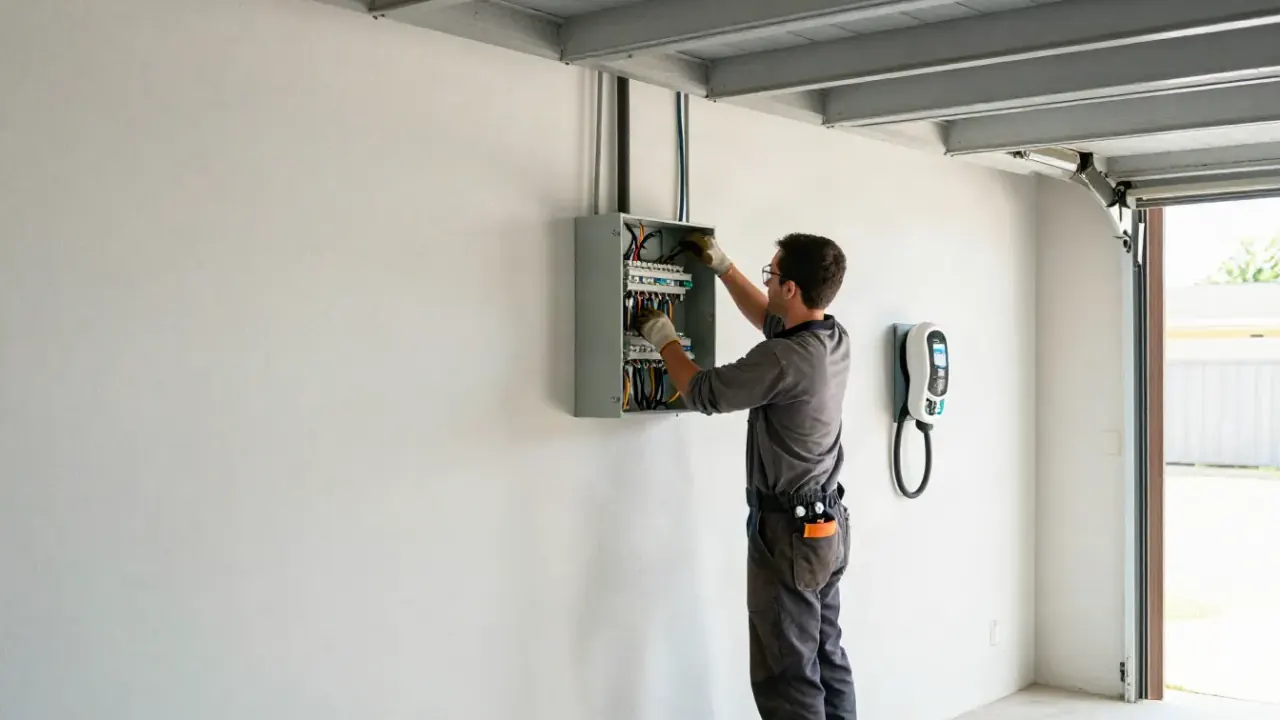
We measure the run, upsize the copper where needed and keep the feeder as short as practical. On large lots we design the subpanel location around the stalls, not around the easiest conduit path. Long conduit runs with undersized wire drop voltage at the charger, which slows charging and can trigger faults on sensitive units.
Workplace charging keeps good tenants and good staff. A four-port install at a Riviera Village office can serve 20 to 30 drivers per week on rotation, and it gives you something concrete to put in a lease or job listing. Property managers in Los Angeles County tell us charging questions come up in nearly every renewal conversation now.
Wiring four stalls in one trench costs far less per port than four separate jobs. We run one feeder, one subpanel and one conduit bank, then branch to each Level 2 unit. On a typical Redondo Beach commercial EV charger installation, that shared infrastructure can cut per-port labor by 30 to 40 percent.
We build to NEC Article 625 and California Title 24, use UL Listed equipment, and pull the permit before the first hole is drilled. That matters at inspection and at resale. A documented, code-correct install also protects you if a tenant or employee ever files a claim over a charger fault.
Chargers that trip breakers or overheat cost you money and goodwill. We size the circuit, set the amperage correctly and test under real load before we leave. If your panel is tight, we design a subpanel or a load-managed setup so charging never fights your HVAC or kitchen equipment for power.
Typical 2026 pricing in Redondo Beach runs $2,500 to $6,500 for a single commercial port and $4,000 to $9,000 per additional port once shared conduit and a subpanel are involved. Hardware, trenching distance, panel capacity and permit fees move the number. We give you a fixed written price after the site walk, so you are not guessing. If you are comparing commercial EV charger installation Redondo Beach quotes, ask each contractor for the load calculation and the breaker size in writing.
What your estimate is based on
$2,500 - $6,500 for a single port; $4,000 - $9,000 per additional port You are paying for a code-correct circuit, a documented load calculation and a station that passes inspection and stays online. Cheap installs that skip the load check tend to fail at the breaker or the inspection, and fixing them costs more than doing it right the first time.
Clear records you can keep and share.
Equipment models, circuit sizes and fixed price
Available capacity stated in amps
Test results, photos and permit sign-off
Capacity comes before hardware. If your panel cannot feed the ports you want, no charger model will fix that.
We calculate existing demand to NEC Article 220. That number tells you how many Level 2 ports the building can support safely.
One feeder and one conduit bank cost less than separate circuits. We design the run so future ports branch off the same infrastructure.
Mounting height, holster location and cable routing decide whether drivers use the station. We plan those before the first hole is drilled.
Outside these areas? Call and ask, we may still cover you. (310) 294-5464
Most single-port commercial installs in Redondo Beach run $2,500 to $6,500 in 2026, and multi-port jobs average $4,000 to $9,000 per additional port once shared conduit and a subpanel are in place. Hardware, trenching distance, panel capacity and permit fees move the number. A site walk gives you a fixed written price.
Yes. Commercial EV charger circuits require an electrical permit and inspection in Redondo Beach, and most jobs also need a load calculation submitted with the application. We pull the permit, meet the inspector and hand you the sign-off. Skipping it can void insurance coverage and create problems when you sell or refinance the property.
We do. Redondo Beach EV Charger Installation handles workplace EV charger installation in Knob Hill Redondo Beach and across the surrounding neighborhoods, from North Redondo to Riviera Village. We are a local electrical contractor with CSLB C-10 Electrical License credentials and EVITP Certification, and we install and commission the units ourselves.
A common starting point is one Level 2 port per 10 to 15 parking stalls, or one per two to three EV-driving employees. A 20-stall office lot usually starts with two to four ports and a subpanel sized for future expansion. We size the feeder so you can add ports later without re-trenching.
Call (310) 294-5464 and we will schedule a site walk, run the load calculation and give you a fixed written price. We pull the permit, install the circuits and commission every unit before we leave. One call covers the whole job.
Call us at (310) 294-5464 or send a note and we will get back to you the same business day. Tell us the car, the charger you want, and where it is going, and we can often give you a ballpark before we drive out. We are in Redondo Beach, California and work Los Angeles County daily.