For homes in El Nido
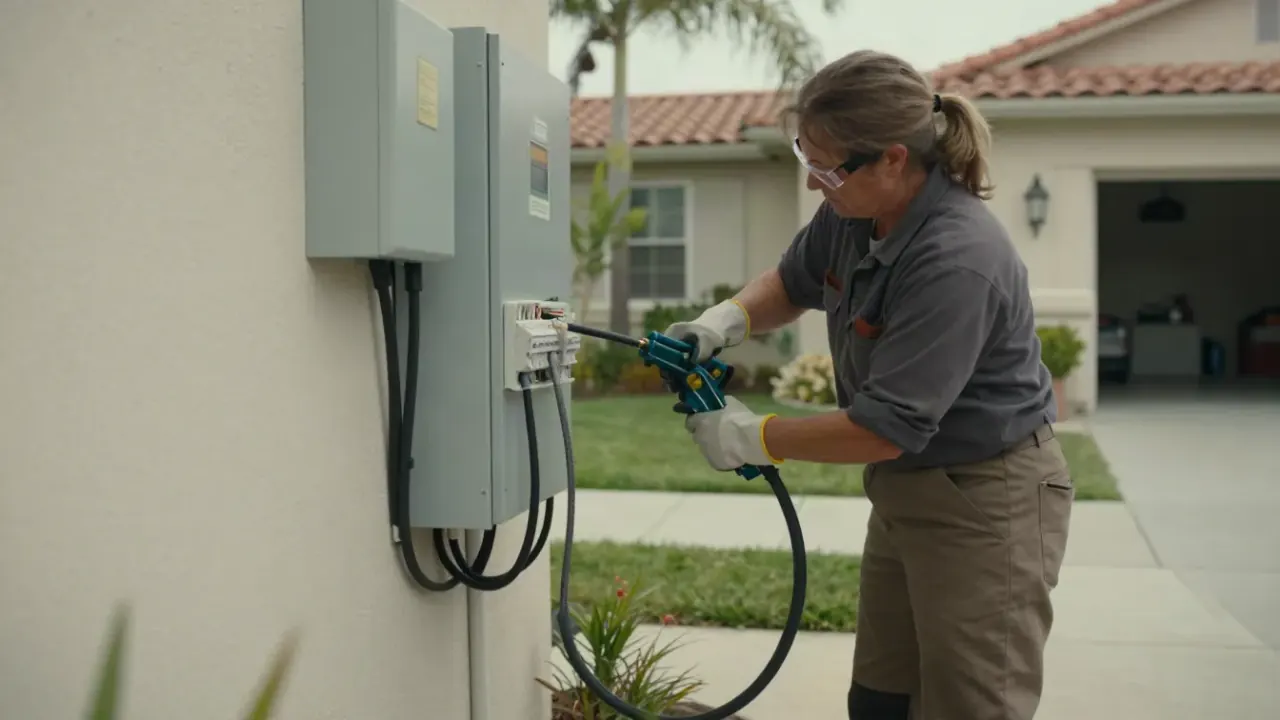
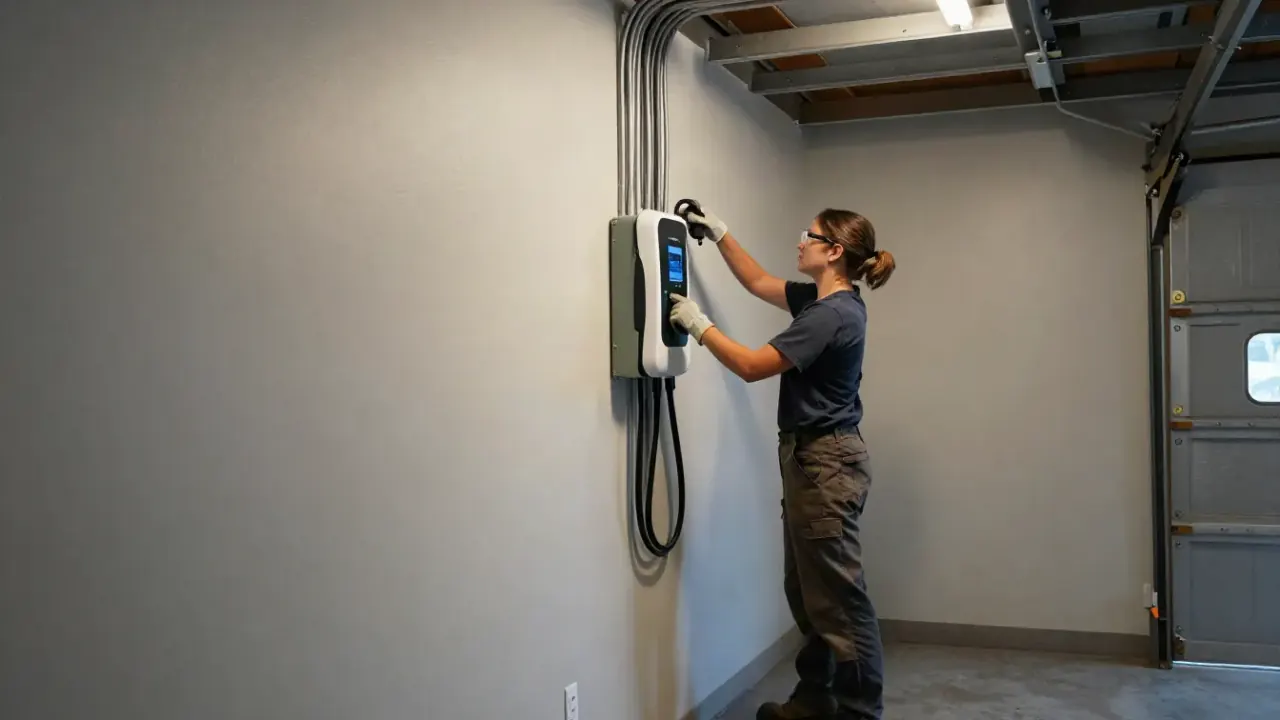
We install chargers in single-family homes, detached garages, and small multi-unit buildings. Most El Nido homes need a panel check before we start.
- 1950s tract homes
- Detached garages
- 100-amp panels
- Condo and HOA units
EV Charger Installation in El Nido CA means more than mounting a box on the wall. We run load calculations, pull the permit, and hardwire your Level 2 charger so it charges at full amperage without tripping your panel. From El Nido Avenue to Harkness Lane, we handle the 1950s tract homes and detached garages that make this neighborhood different. One visit, code-correct work, and you drive away charged.
Serving El Nido and nearby
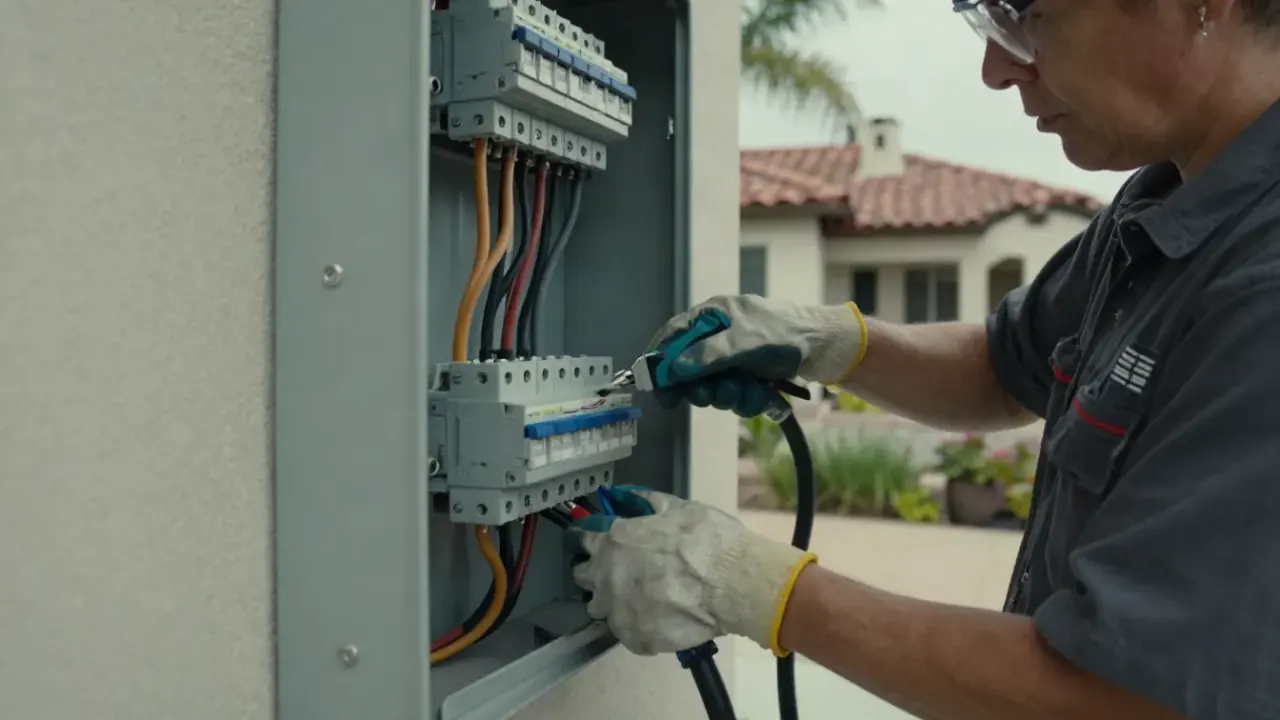
EV Charger Installation in El Nido CA is a category of electrical work that adds a dedicated 240V circuit and a Level 2 charging station to your home, sized to your panel and permitted through the City of Redondo Beach. We have wired chargers on El Nido Avenue, Curtis Avenue, and Ralston Avenue, and we know what the housing stock here does to a job. Most El Nido homes were built in the 1950s and 1960s with 100-amp panels and detached garages, so a charger install often means a load calculation, a subpanel, or a panel upgrade before the first conduit goes up. That is the difference between an affordable EV charger installation in El Nido and a callback six months later. We pull the permit, run 6 AWG copper wire in conduit, torque every lug to spec, and test the circuit under load before we pack up. If you are searching for EV Charger Installation in El Nido CA near me, you want a crew that has opened the same panels your neighbors have.
El Nido sits in the 90278 ZIP, a pocket of Redondo Beach where detached garages and narrow driveways are the norm. That layout changes how we run conduit and where we mount the charger. We serve this area because the demand is real: more residents are buying EVs, and the older service panels here need a proper load assessment before anything gets installed. We know the streets, the permit office, and the inspectors.
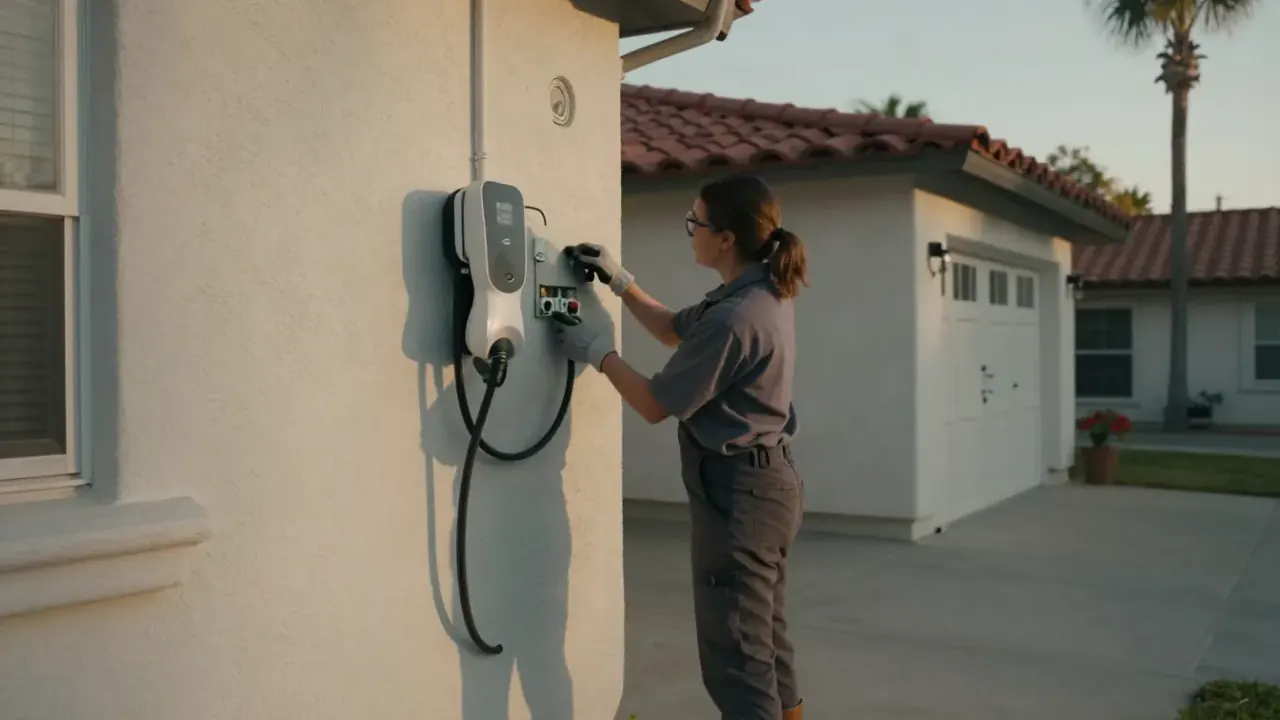
We handle every part of EV Charger Installation near El Nido, from a simple NEMA 14-50 outlet to a full subpanel and Tesla Wall Connector setup. If you need same-day EV Charger Installation in El Nido CA, call early and we will check the schedule. Most jobs here take two to four hours once we are on site.
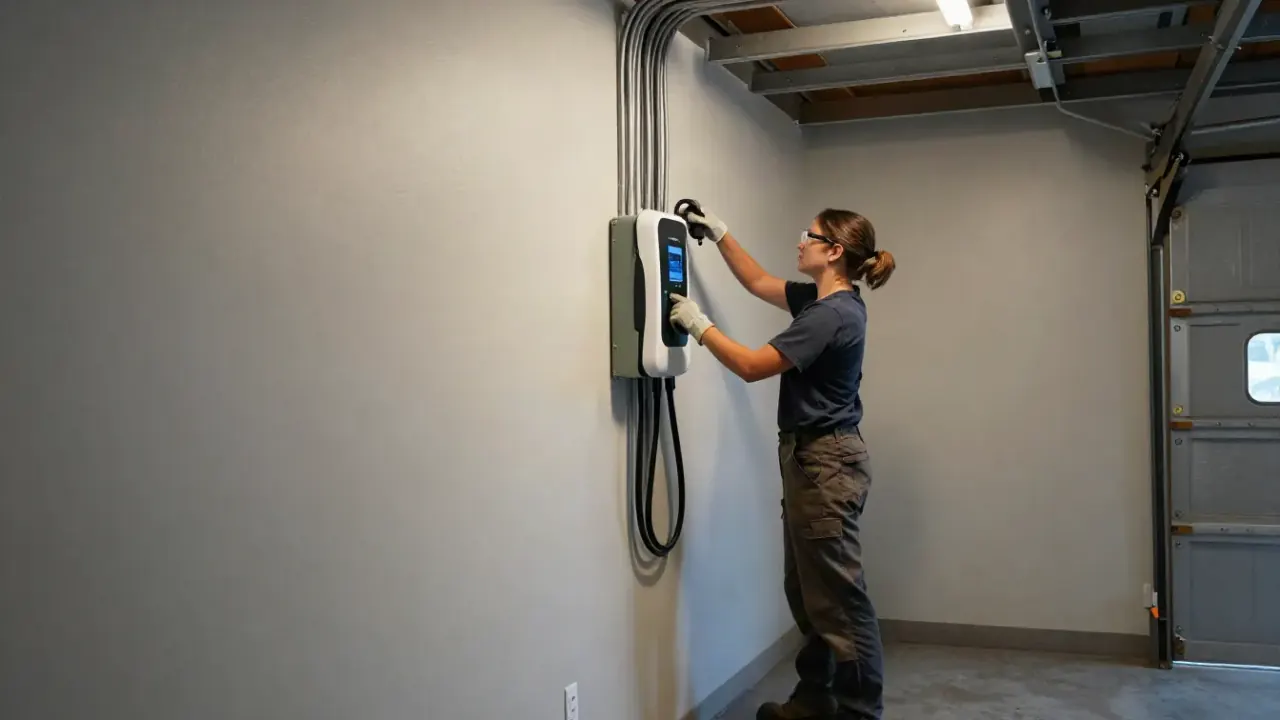 Level 2 Home Charger InstallationLevel 2 EV charger installation in El Nido usually means a 40- or 48-amp unit on a dedicated 240V circuit. We mount the bracket, run 6 AWG copper wire, and set the breaker. On El Nido Avenue and Curtis Avenue, detached garages often need a longer conduit run, so we plan the route before we drill.
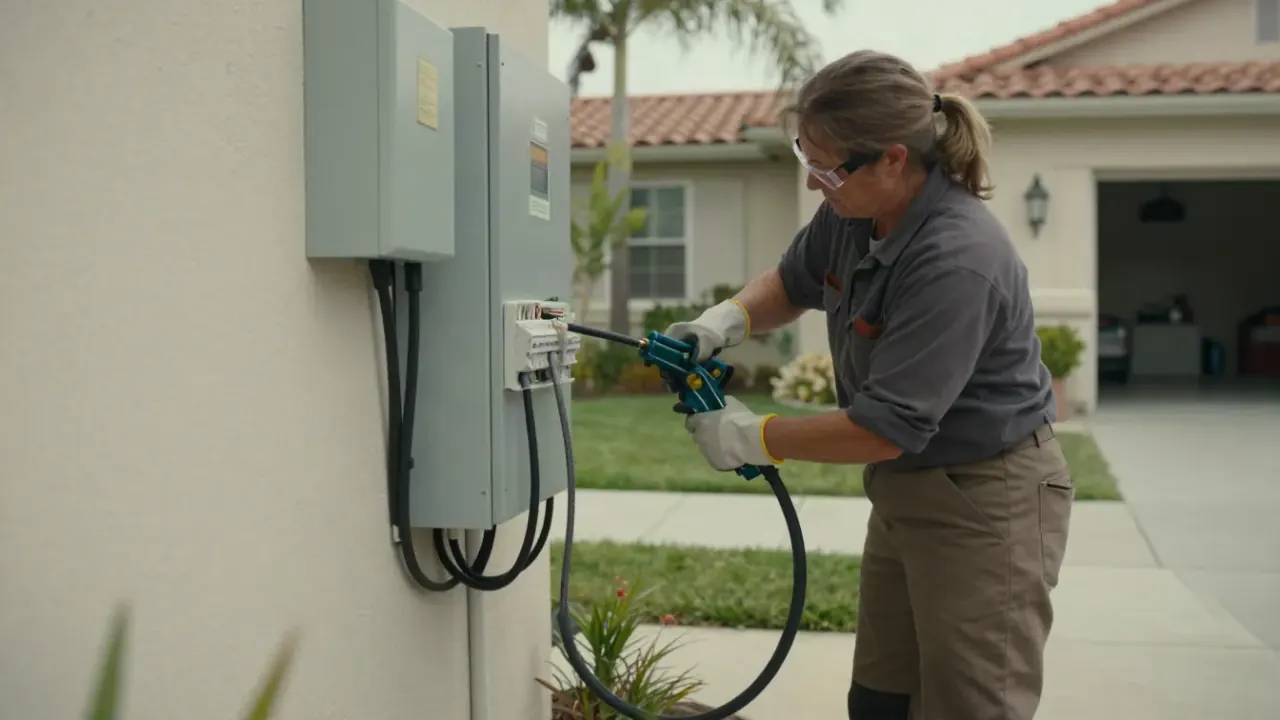 Tesla Wall Connector InstallationTesla Wall Connector installation El Nido CA jobs are common on Grant Avenue and Ralston Avenue. We hardwire the unit, set the rotary switch for your panel amperage, and commission it through the Tesla app. If your panel is 100 amps, we run a load calculation first and may recommend a subpanel.
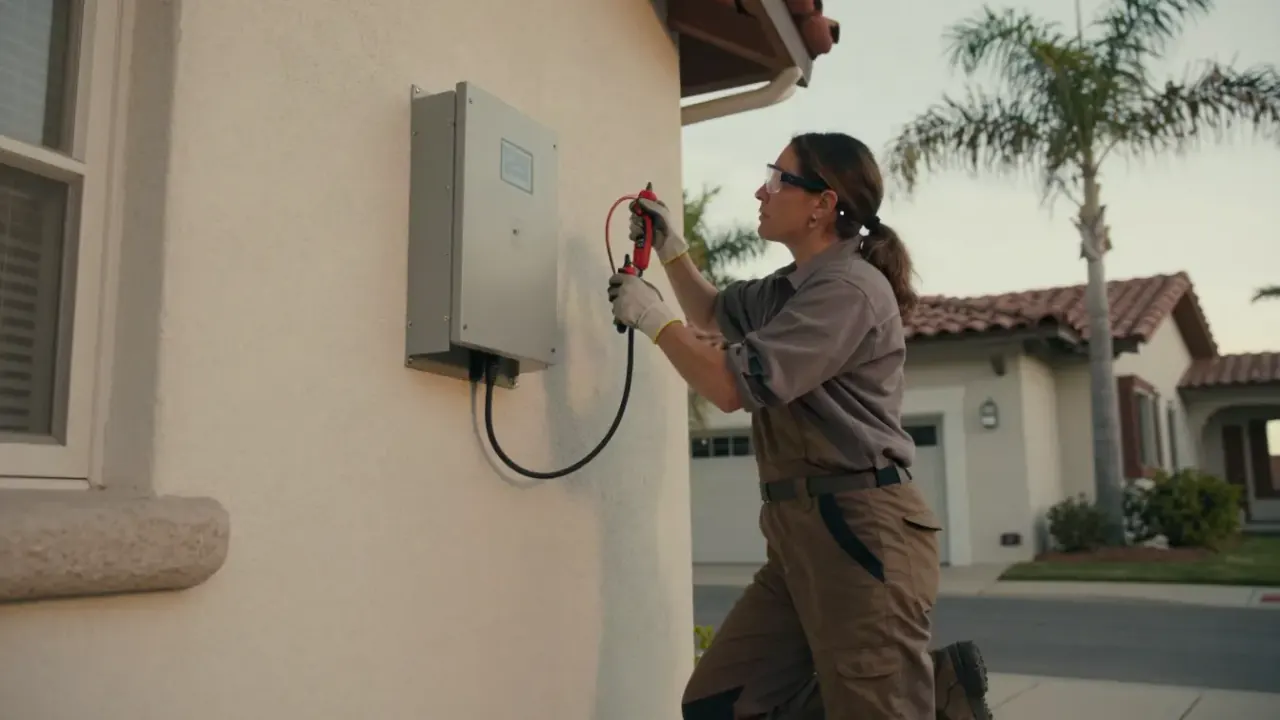 NEMA 14-50 Outlet InstallationA NEMA 14-50 outlet gives you a 240V receptacle for portable EVSE or a plug-in charger. In El Nido, we install these in garages off Harkness Lane and El Nido Park blocks. We use a GFCI breaker where code requires it and torque the terminals with a torque screwdriver.
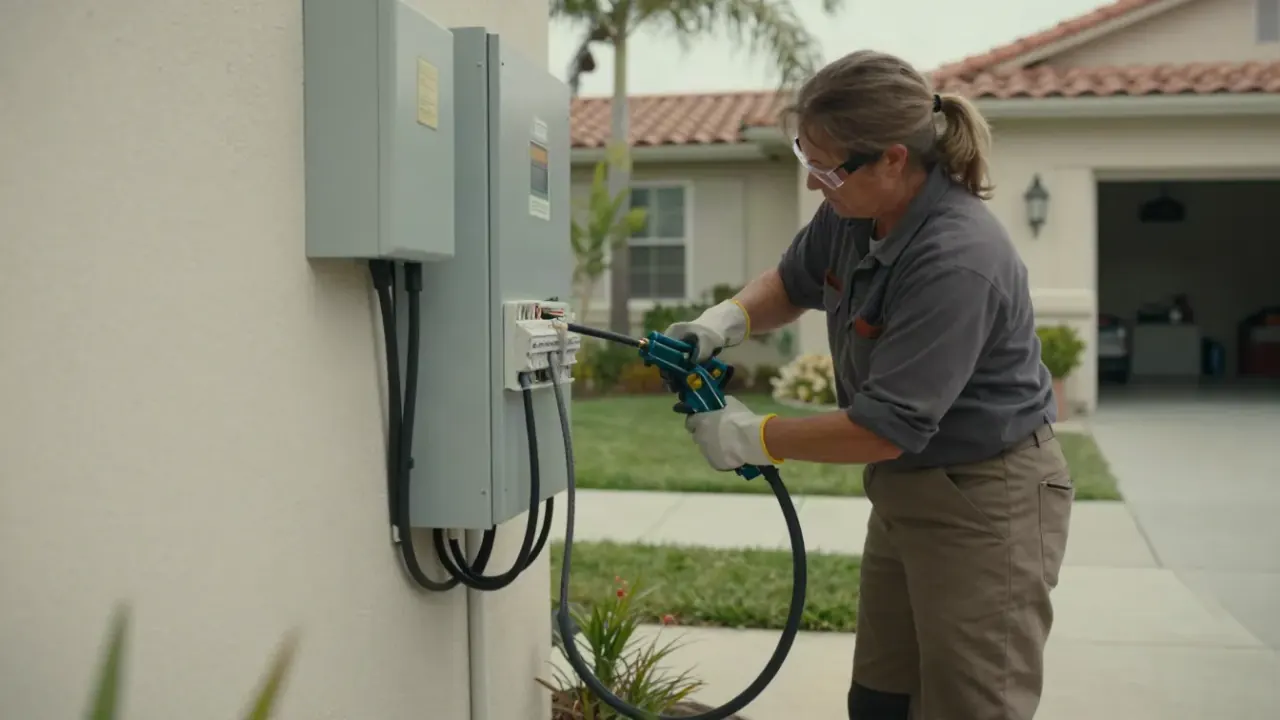 Dedicated 240V Circuit InstallationA dedicated 240V circuit is the backbone of any Level 2 charger. We run conduit from the panel to the charger location, pull 6 AWG or 8 AWG copper wire depending on amperage, and label the breaker. In El Nido's older tract homes, this often means a new circuit plus a panel check.
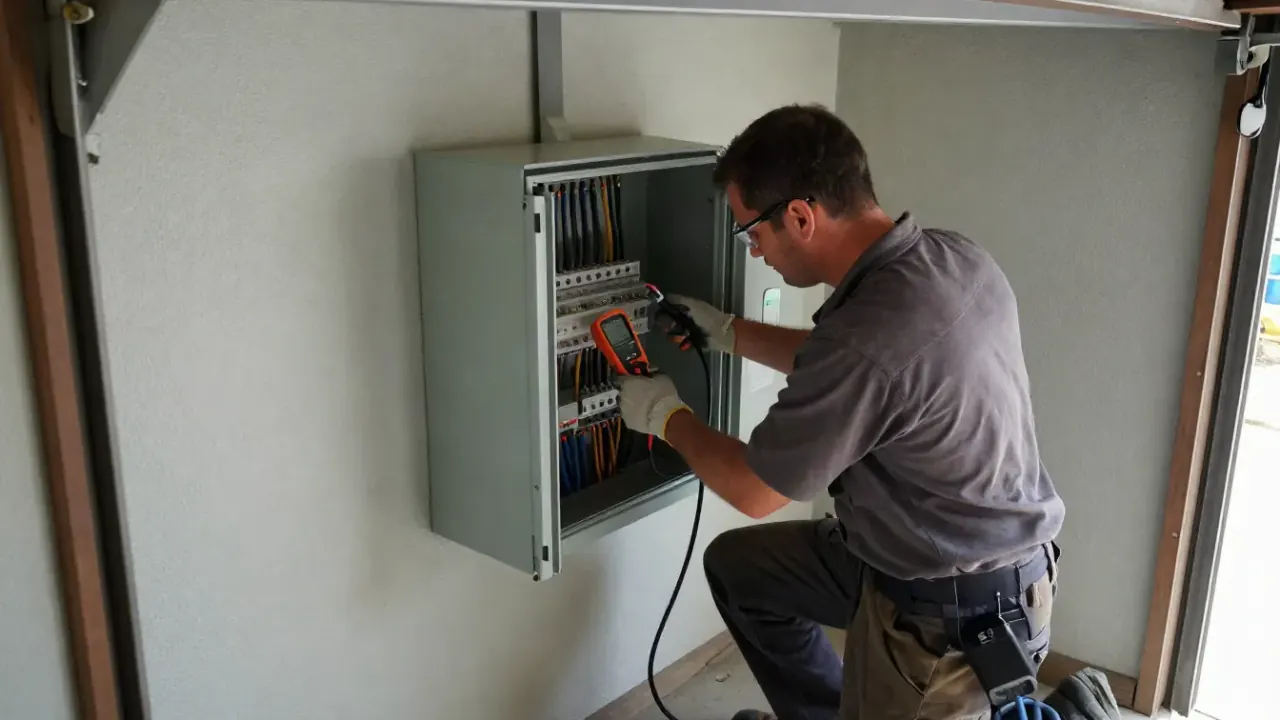 Panel Capacity and Load AssessmentBefore we install anything, we open your panel and run a load calculation under NEC Article 220. Many El Nido homes have 100-amp service, and adding a 48-amp charger may require an upgrade or a load management device. We give you the numbers in plain language.
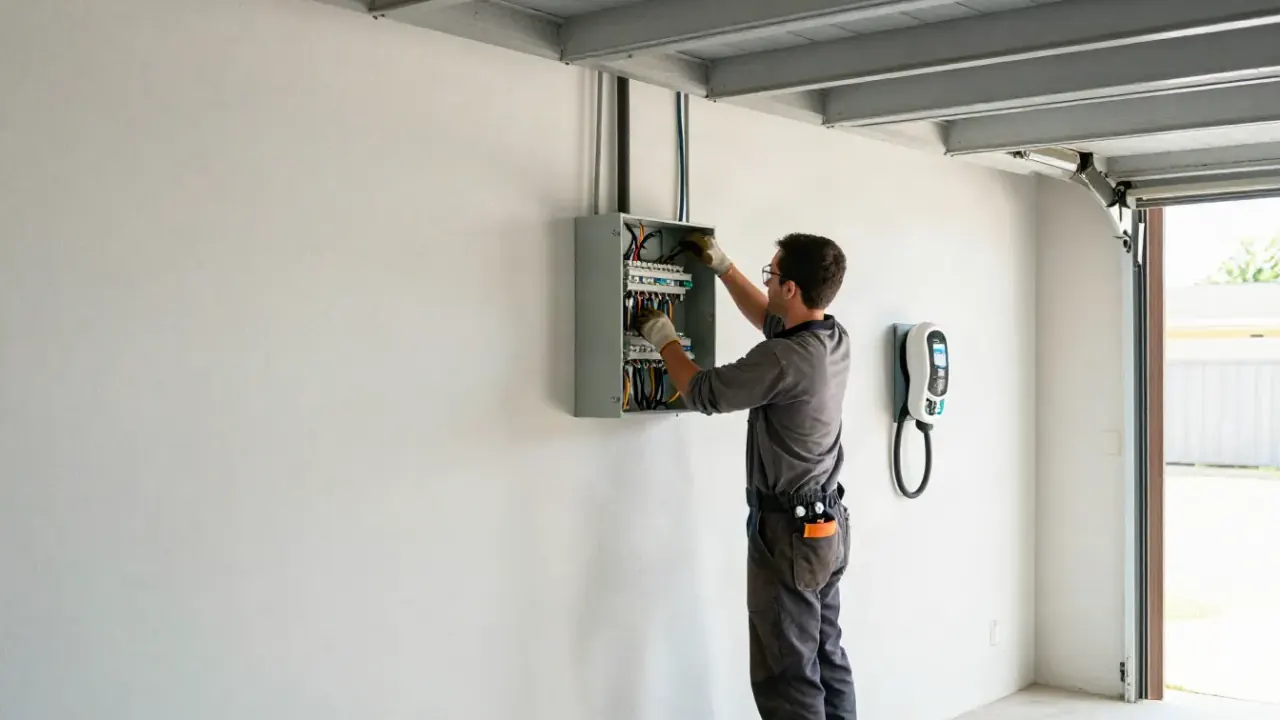 Subpanel Installation for EV ChargersWhen the main panel is full, we install a subpanel to feed the charger. This is common in El Nido's detached garages, where the run from the house panel is long. We size the subpanel for the charger plus future loads and pull the permit.
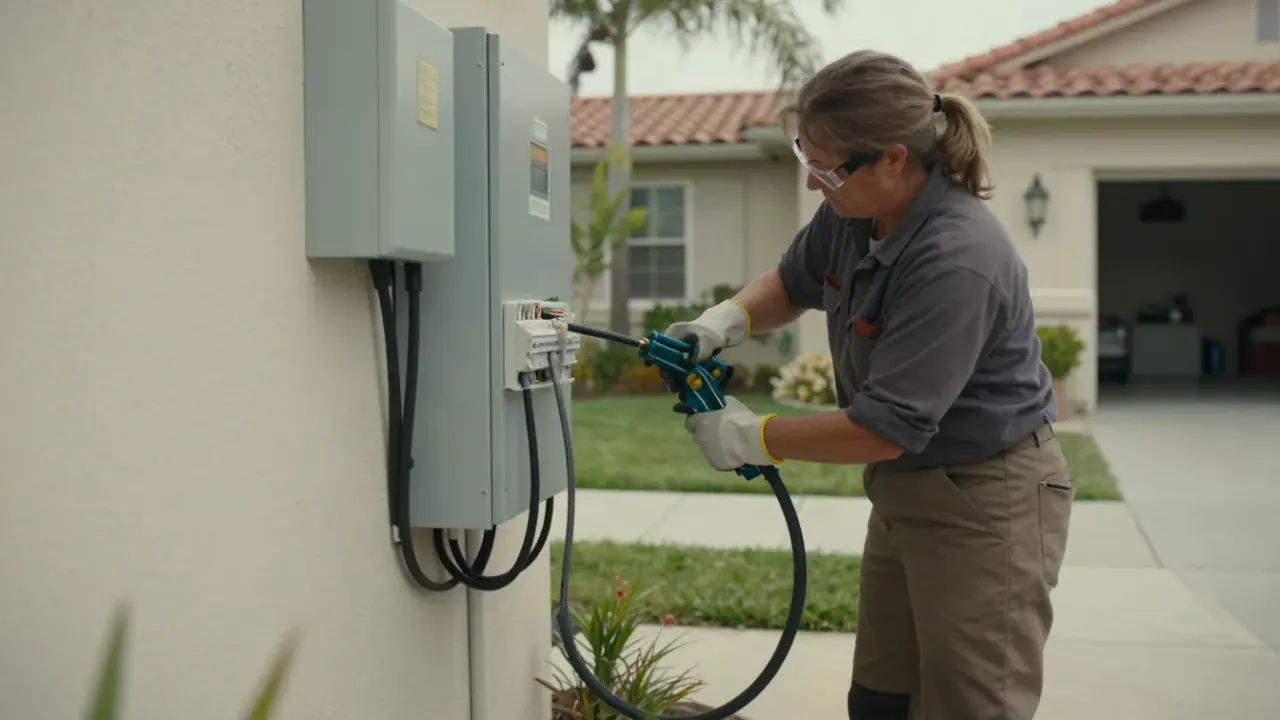 Condo and HOA Charger InstallationEl Nido has a mix of single-family homes and small multi-unit buildings. For condos and HOAs, we handle the paperwork, coordinate with the property manager, and install shared or assigned chargers. We know what Los Angeles County and Redondo Beach require for common-area electrical work.
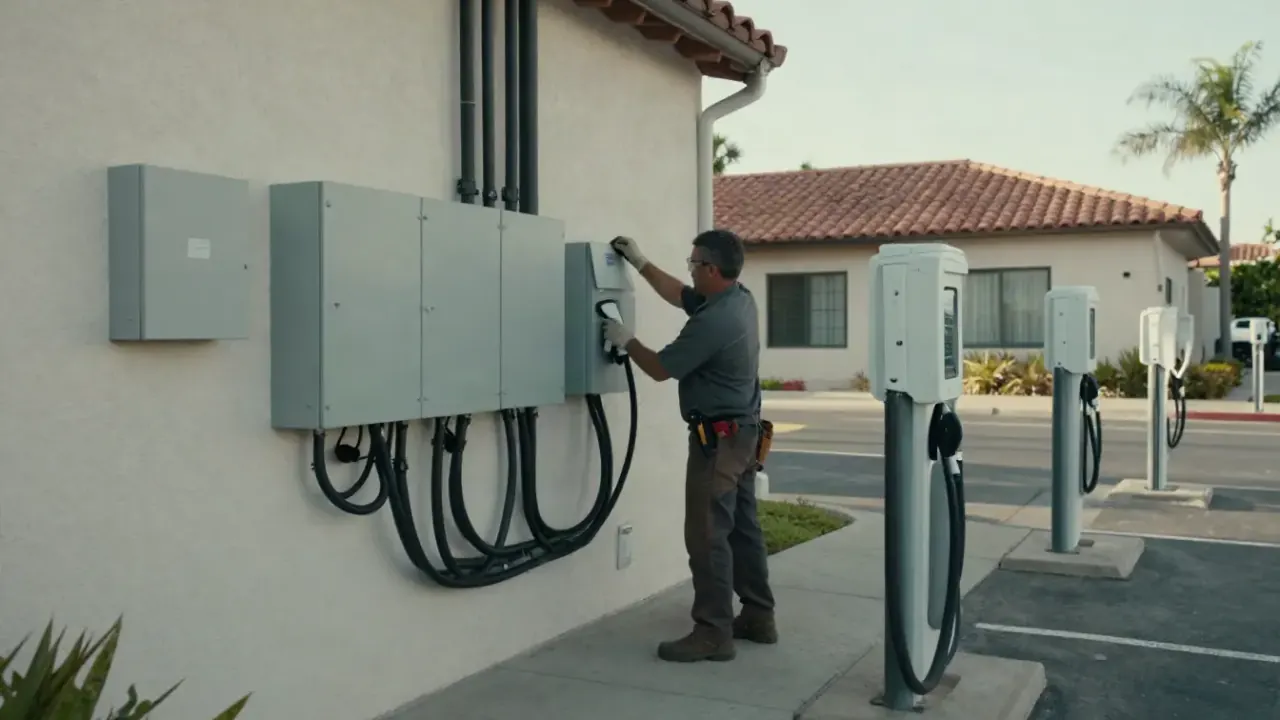 Commercial and Workplace Charger InstallationBusinesses along 190th Street and near the 405 need reliable charging for employees and customers. We install Level 2 commercial stations, run the circuits, and set up load sharing. We handle the permit and inspection so your lot is ready for multiple EVs.
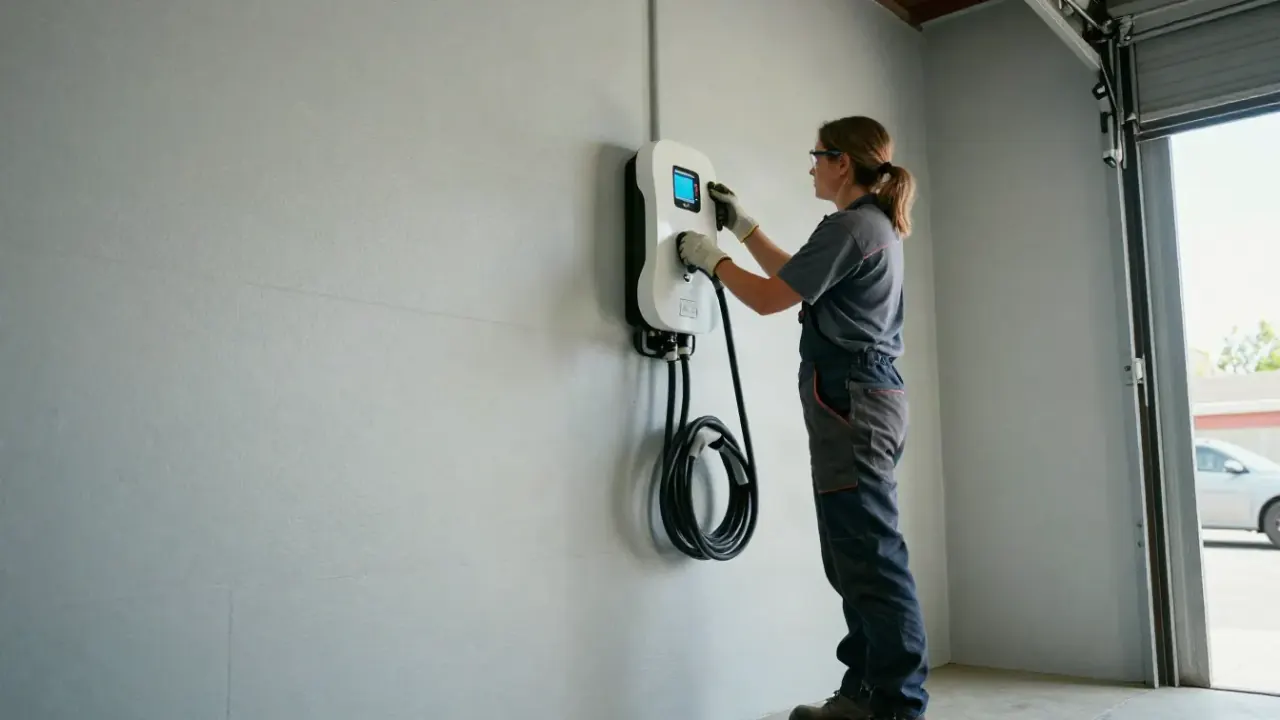 EV Charger Repair and TroubleshootingIf your charger is tripping the GFCI, overheating, or not communicating with the vehicle, we diagnose it. Common El Nido issues include loose wiring connections in older panels and voltage drop on long garage runs. We test with a multimeter and fix the root cause.
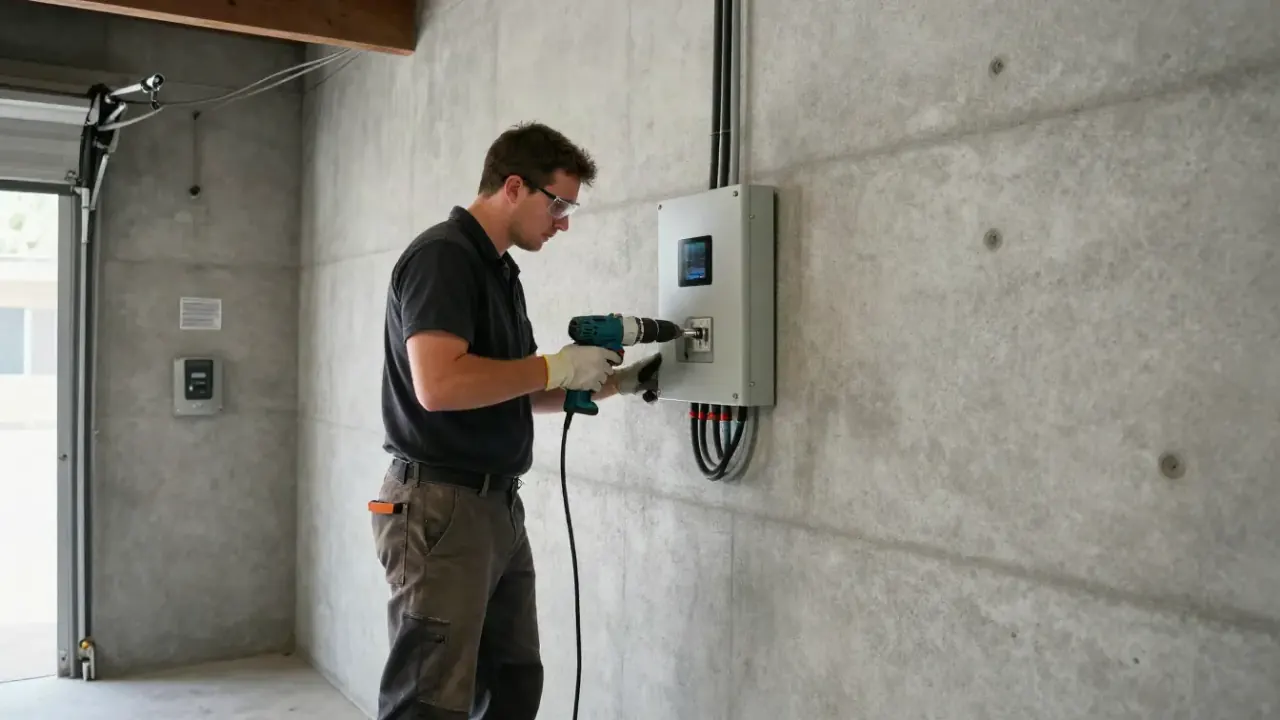 Permit and Utility Rebate HelpWe pull the electrical permit from the City of Redondo Beach and schedule the inspection. We also help you find utility rebates for EV charger installation in El Nido. California Title 24 and local amendments apply, and we keep the paperwork straight.
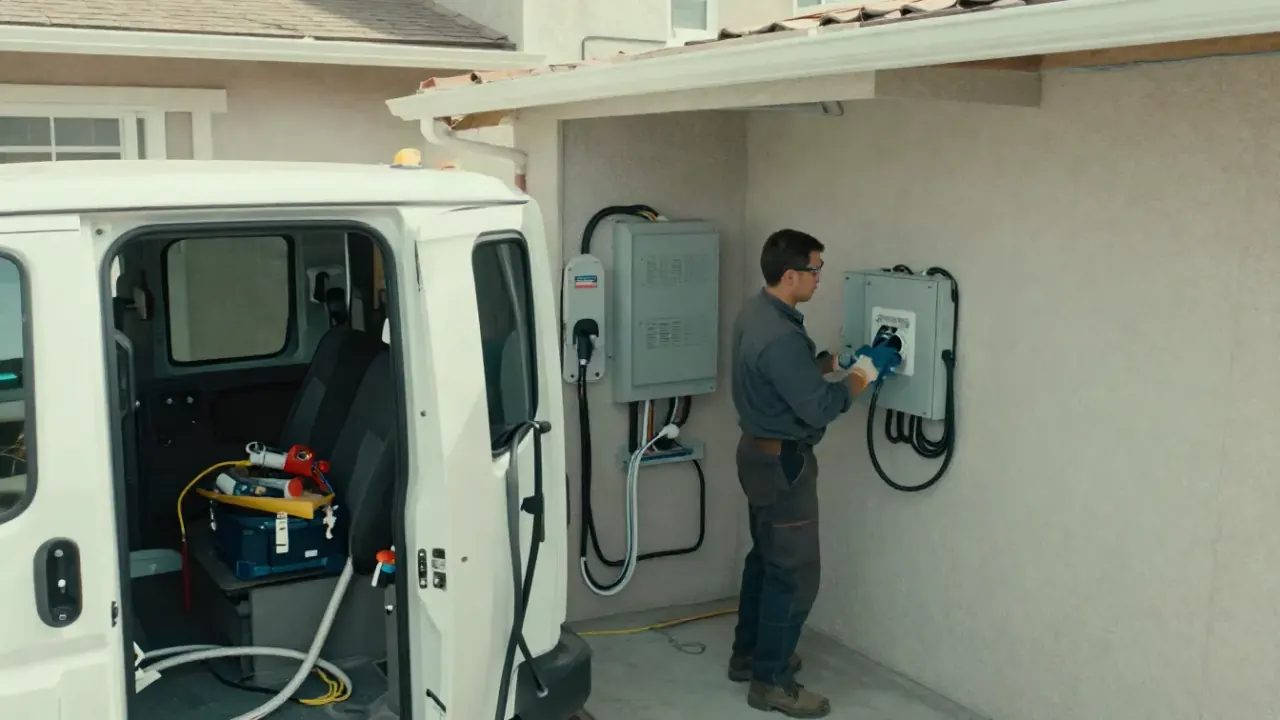 Smart WiFi Charger SetupSmart chargers from ChargePoint, Wallbox, Emporia, and JuiceBox need a solid WiFi signal and proper commissioning. We connect the unit, set the amperage, and walk you through the app. In El Nido's older homes, we may add a WiFi extender in the garage.
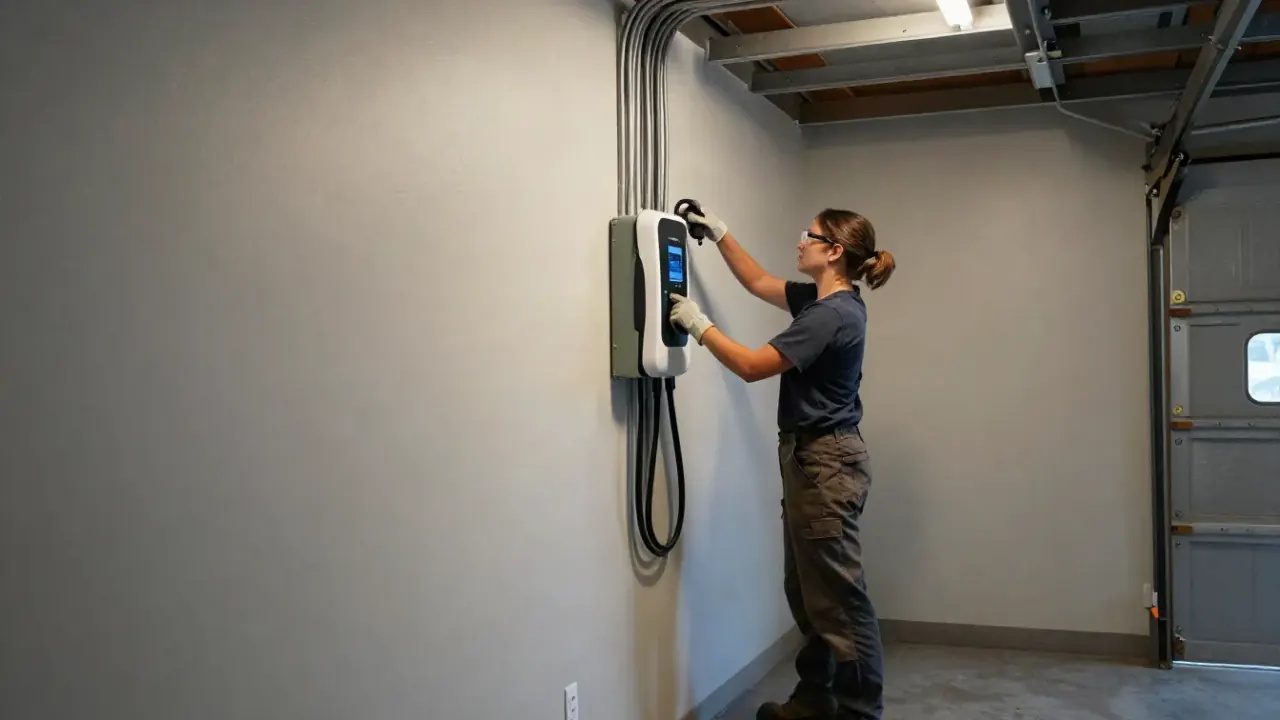
We mount the charger bracket, run 6 AWG copper wire in conduit, and set the 240V circuit breaker. In El Nido's detached garages, we measure the run and upsize wire if voltage drop is a risk. We test the charger under load before we leave.
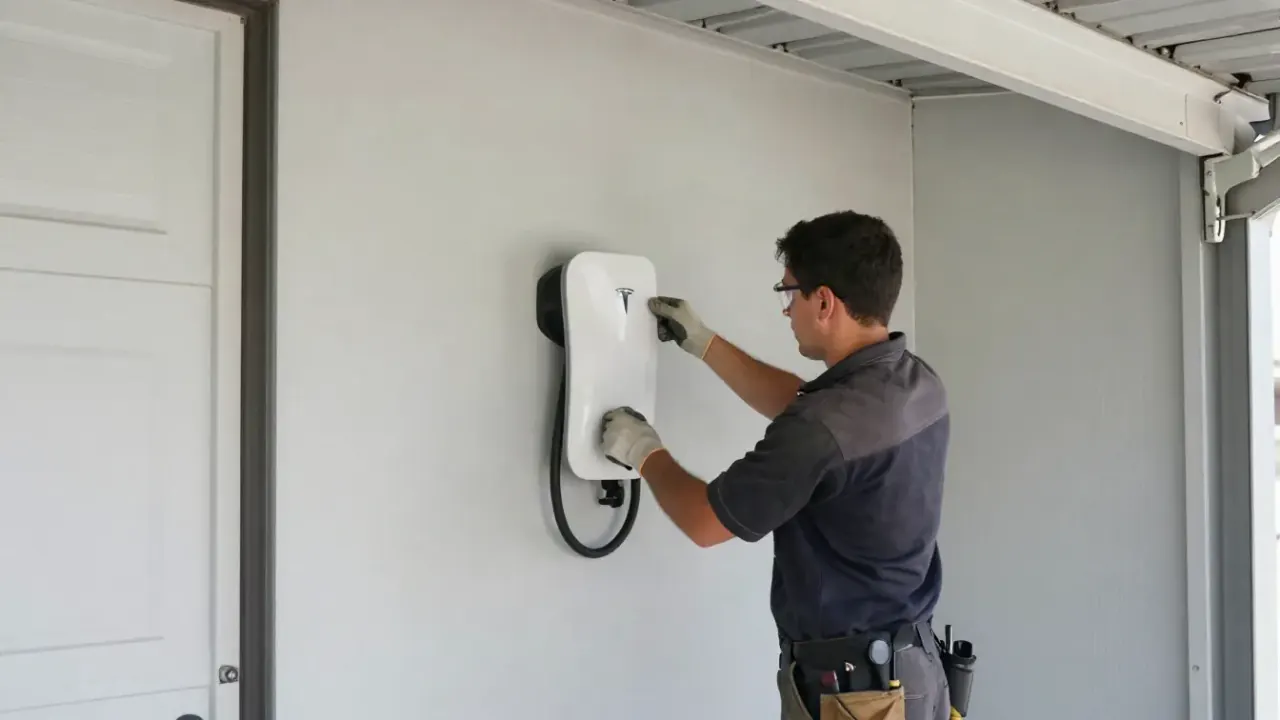
We hardwire the Wall Connector, set the rotary switch for your panel amperage, and commission it through the Tesla app. On older El Nido panels, we run a load calculation first. We torque every lug to the manufacturer's spec.
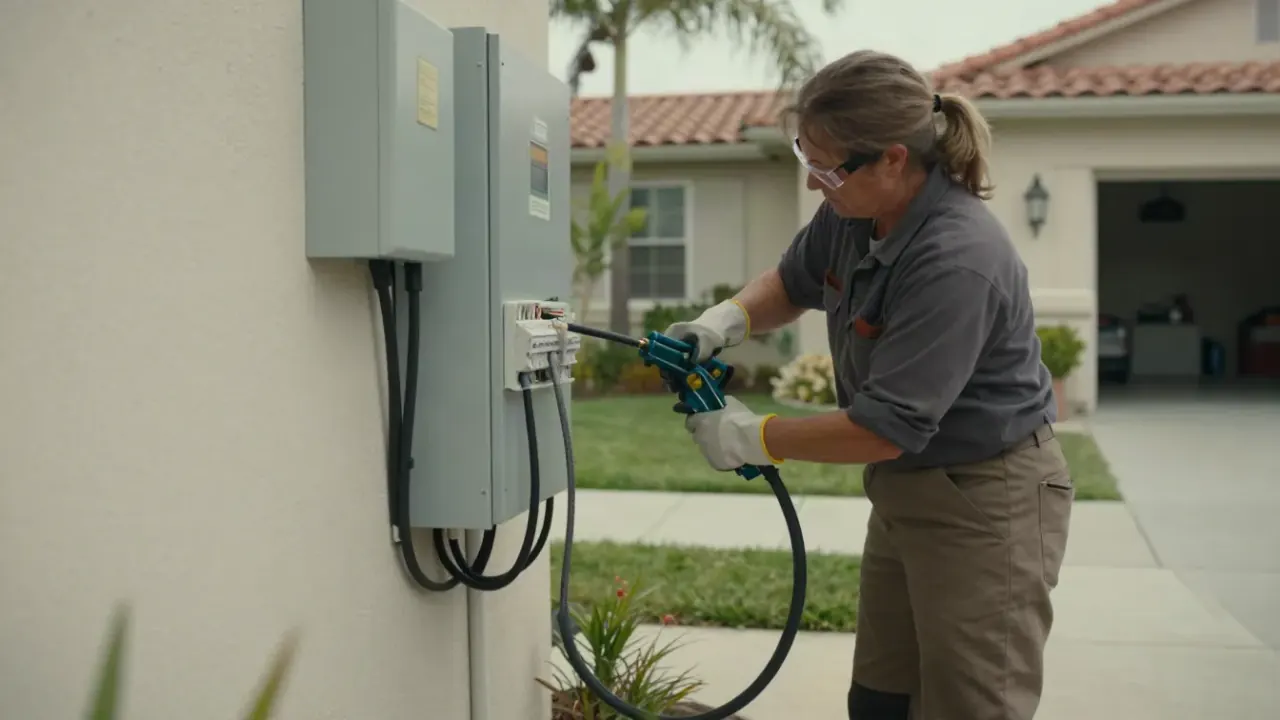
We install a 240V receptacle on a dedicated circuit, using a GFCI breaker where code requires it. In El Nido garages, we check for moisture and ground faults before we finish. We label the breaker and test the outlet.
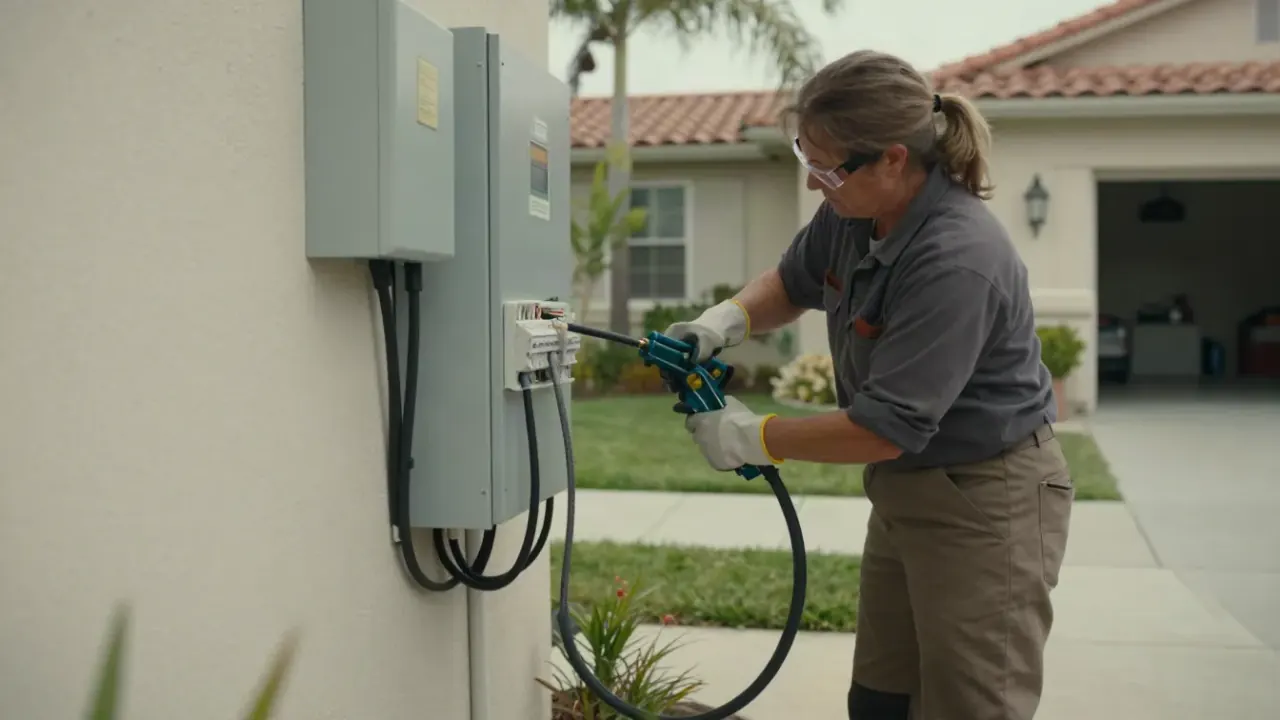
We run a new 240V circuit from your panel to the charger location, using 6 AWG or 8 AWG copper wire in conduit. For long runs to detached garages, we upsize the wire to prevent voltage drop. We pull the permit and meet the inspector.
We install chargers in single-family homes, detached garages, and small multi-unit buildings. Most El Nido homes need a panel check before we start.
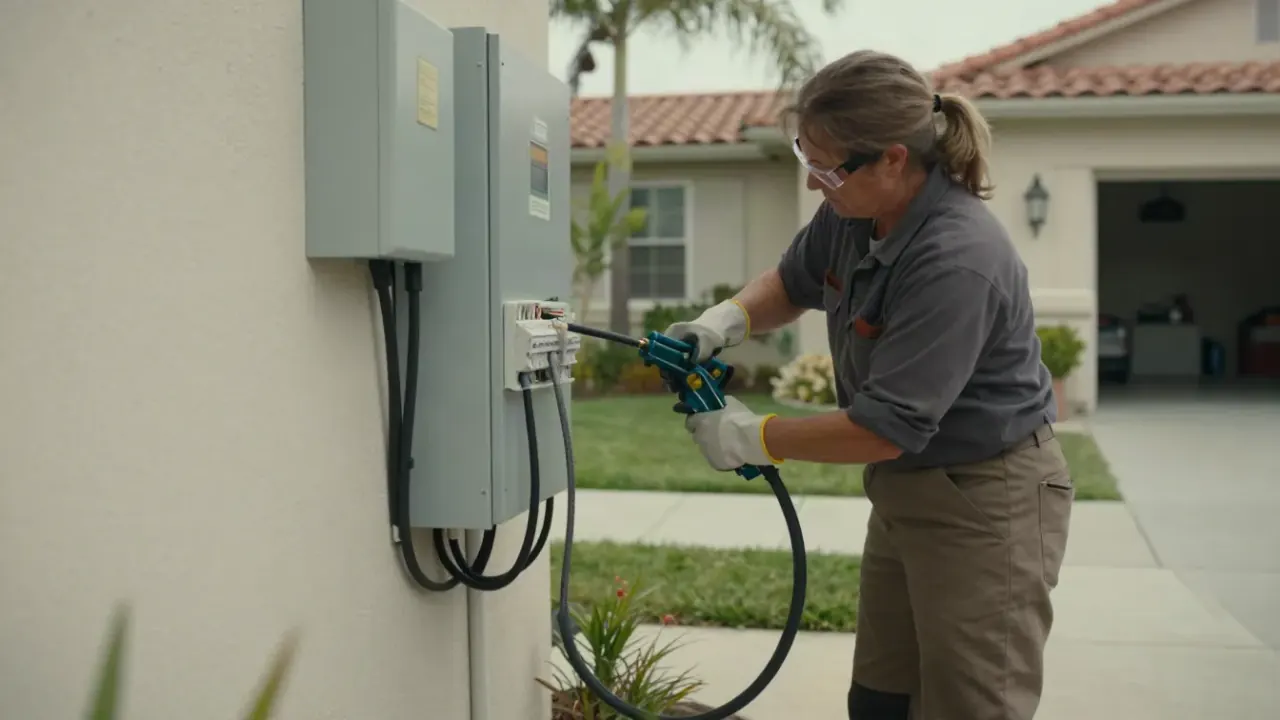
We install workplace and commercial chargers along 190th Street and near the 405. We handle the permit and load sharing setup.
El Nido's housing stock and climate create a specific set of EV charging issues. The 1950s tract homes often have 100-amp panels, detached garages, and older wiring that was never designed for a continuous 48-amp load. Add in the marine layer and occasional heat, and you get the problems we see most. If you need affordable EV charger installation in El Nido, start by understanding these common failure points.
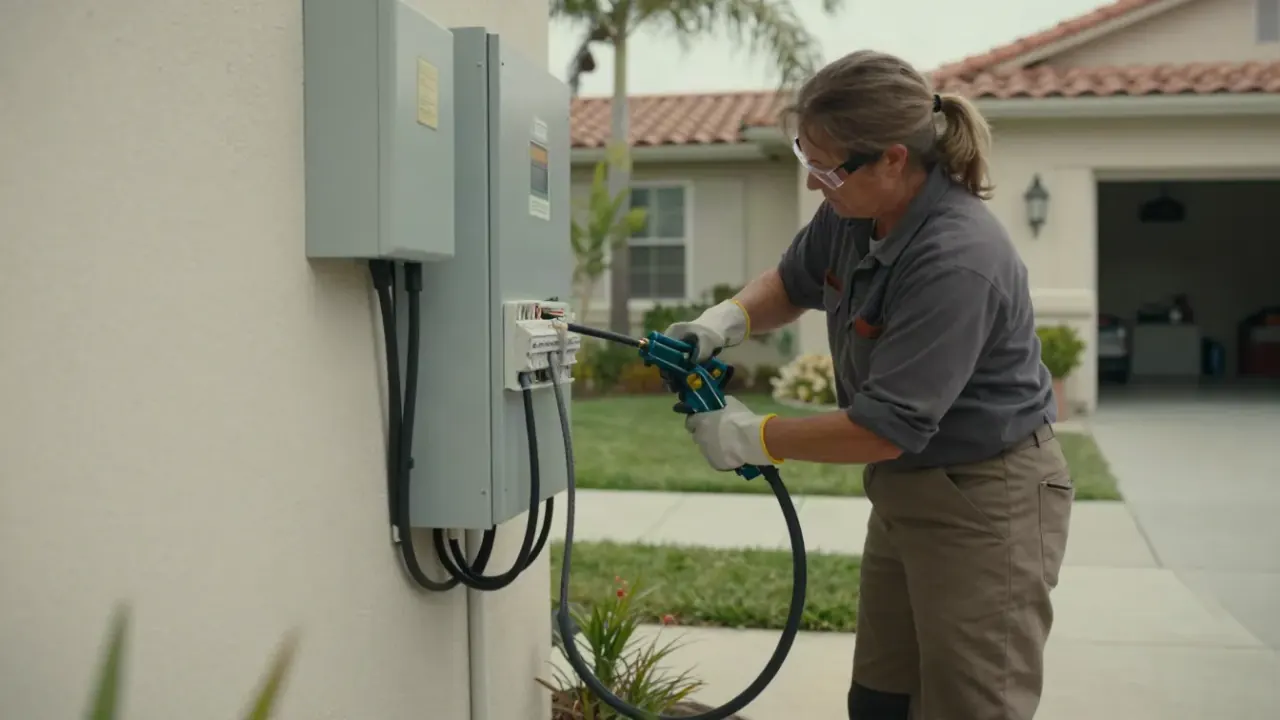
Most El Nido homes were built with 100-amp service, and adding a 48-amp EV charger can push the panel past its limit. Without a load calculation, the breaker will overload and trip. We run a load calculation under NEC Article 220 and either set the charger to a lower amperage, install a subpanel, or upgrade the service. We show you the numbers before we start.
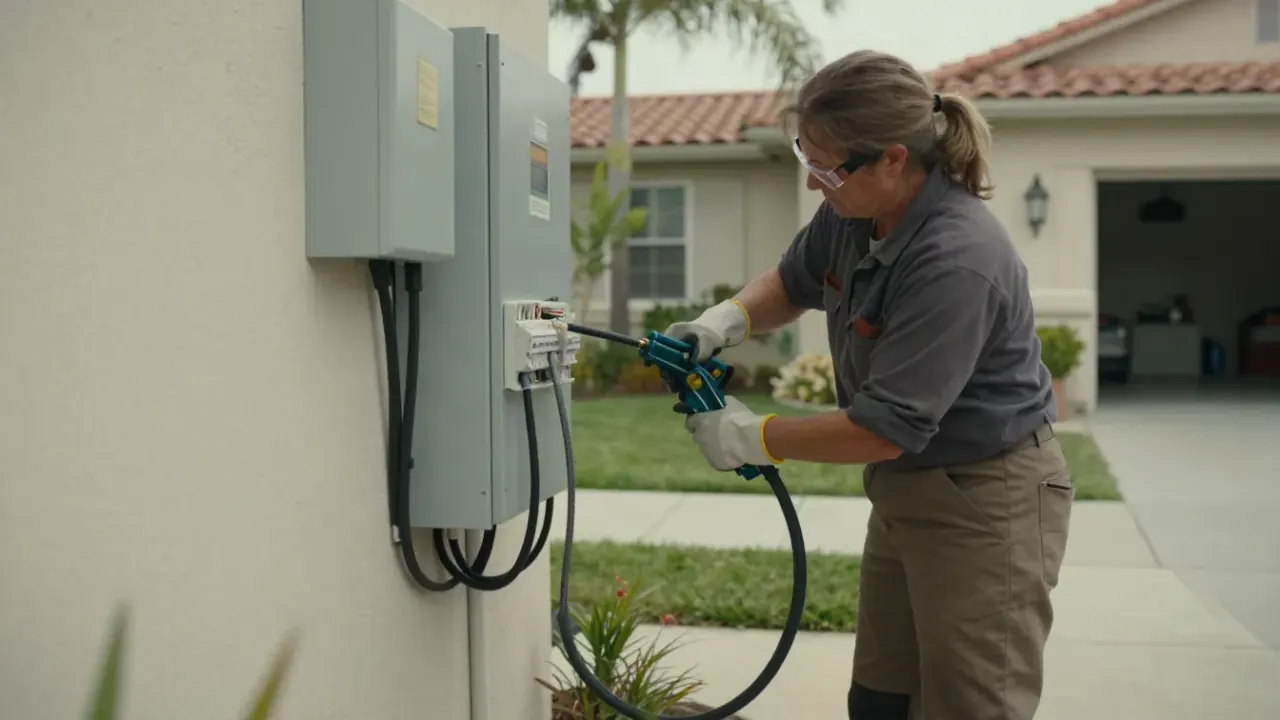
Some EVSE units are incompatible with GFCI breakers, causing nuisance trips. In older El Nido garages, moisture and worn receptacles can also contribute to ground faults. We test the circuit, check for ground faults, and often recommend hardwiring the charger instead of using a plug. That eliminates the GFCI as a failure point.
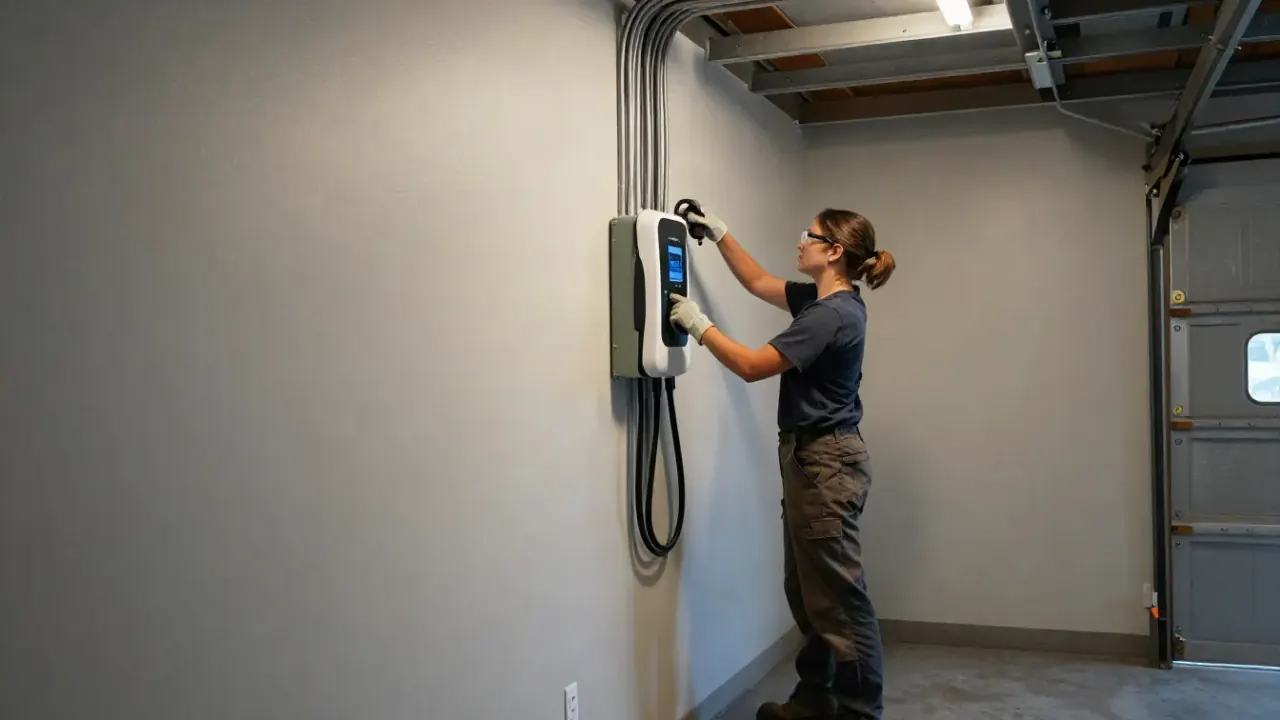
Detached garages in El Nido can be 100 feet or more from the main panel. If the wire is undersized, voltage drops and the charger overheats or charges slowly. We measure the run and upsize to 6 AWG copper when needed. We also use a junction box and cable clamps to keep the installation clean and code-compliant.
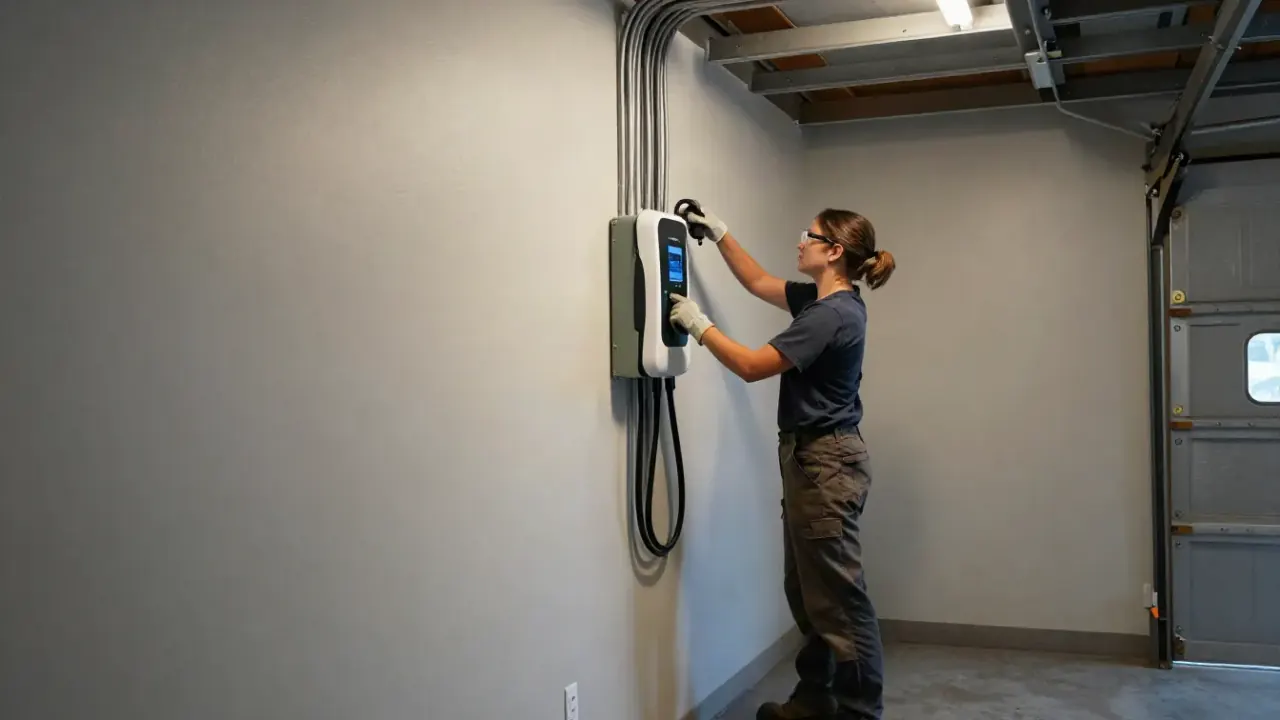
Aluminum or copper connections can loosen over time, especially in older panels. Heat builds up at the terminal, which can damage the breaker or the charger. We re-terminate every connection with a torque screwdriver and check the torque specs. We also inspect the panel for signs of heat damage and replace any compromised breakers.
Watch for these warning signs before your charger damages your panel or wiring.
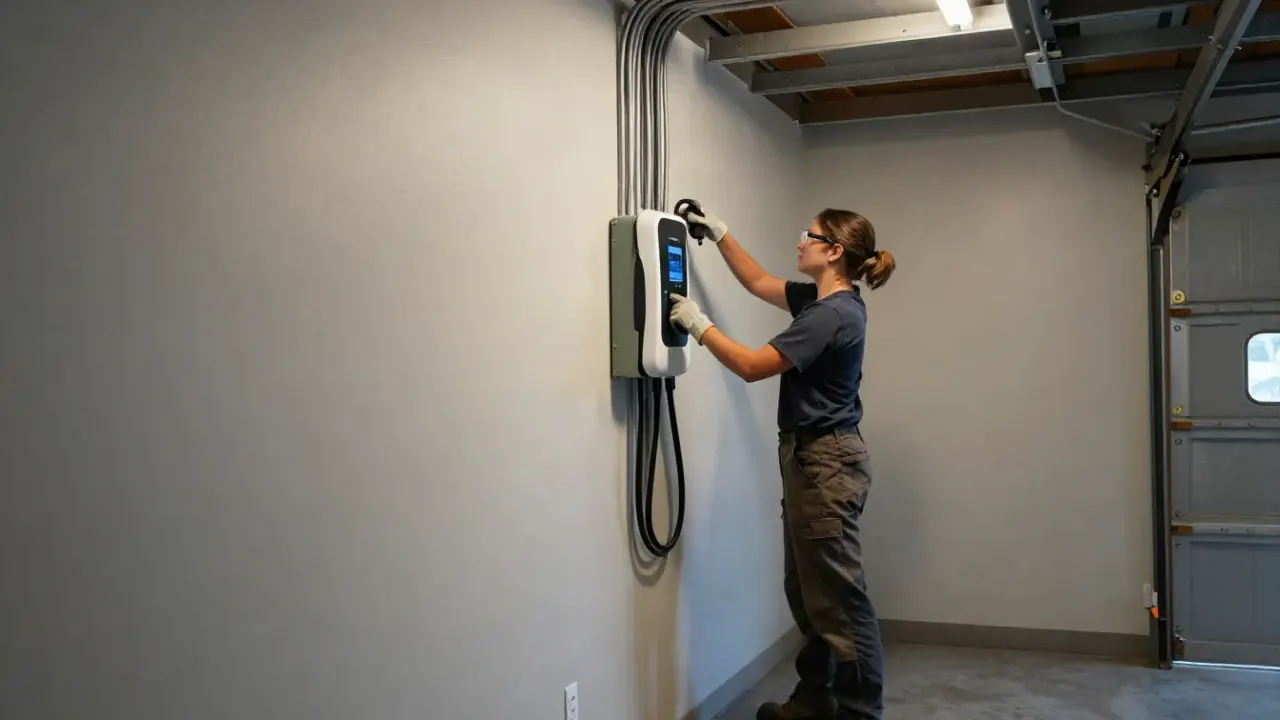
A breaker that trips every time you charge usually means the circuit is overloaded or the breaker is undersized. In El Nido's 100-amp panels, this is common. Stop using the charger and call us to check the load calculation before you damage the panel.
Heat at the plug or receptacle points to loose wiring connections or an undersized circuit. This is a fire risk. We torque the terminals to spec and check the wire gauge to make sure it matches the charger's amperage.
If your car charges at 16 amps instead of 40, you may have voltage drop from a long run or a charger set to the wrong amperage. We measure the voltage at the charger and adjust the settings or upsize the wire.
A ground fault error can come from a faulty GFCI breaker, moisture in the conduit, or a wiring issue. We test with a multimeter and isolate the fault, then repair or replace the affected component.
If you are relying on a standard 120V outlet, you are adding only 3-5 miles of range per hour. A dedicated 240V circuit or NEMA 14-50 outlet will charge your EV overnight. We install both in El Nido regularly.
Every EV Charger Installation in El Nido CA job starts with a panel photo and a load calculation. We check the main breaker size, the bus bar rating, and the available spaces. From there we map the conduit run, which in El Nido often means going through a detached garage or along a fence line. We use 6 AWG copper wire for 48-amp chargers and 8 AWG for 40-amp units, all in conduit with a cable clamp at every box. The 240V circuit breaker gets torqued to the manufacturer's spec, and we label it clearly. If you need 24/7 EV Charger Installation El Nido, call us after hours and we will triage the issue. We pull the permit, meet the inspector, and test the charger under load before we leave. For Level 2 EV charger installation in El Nido, we also set the charger's amperage to match your panel capacity so you never nuisance-trip the breaker.
Many El Nido homes cannot support a 48-amp charger without an upgrade or load management. Installing without checking can cause breaker overload and nuisance tripping. We run a load calculation under NEC Article 220, then recommend either a panel upgrade, a subpanel, or a lower-amperage setting. We show you the math before we start.
Voltage drop becomes a real issue when the run from the house panel to the garage exceeds 100 feet. Undersized wire can cause overheating and slow charging. We measure the run and upsize the wire when needed, often going to 6 AWG copper. We also use a junction box at the transition point and seal every penetration.
A GFCI breaker is required for some 240V receptacles, but nuisance tripping can happen with certain EVSE. It is a common callback in older El Nido garages. We test the circuit with a multimeter and check for ground faults. If the EVSE is incompatible, we recommend hardwiring the charger instead of using a plug.
This article covers EV charging equipment installation, including conductor sizing, overcurrent protection, and disconnect requirements. We follow it on every El Nido job.
Title 24 includes energy code requirements that affect electrical work in California. We keep our installations compliant so your permit passes inspection.
Electrical work in California requires a C-10 license. We hold the license and pull permits under it, which protects you and your homeowner's insurance.
What your estimate is based on
We schedule El Nido jobs Monday through Saturday, with same-day availability for urgent repairs. If your charger is down, call before noon and we will try to fit you in that afternoon. For new installations, we can usually book within two to three business days.
Typical 2026 pricing for EV Charger Installation in El Nido CA runs $450 to $1,200 for a standard Level 2 install on a panel with available capacity. If your panel needs a subpanel or upgrade, expect $1,500 to $3,500. The biggest cost driver here is the age of the housing stock. Many El Nido homes have 100-amp panels and detached garages, which means longer conduit runs and sometimes a panel upgrade. We provide a written estimate before we start, and we help you find utility rebates that can offset part of the cost.
El Nido is compact, but the landmarks help us route efficiently. We use El Nido Park as a central reference point, and the Redondo Beach Dog Park and Perry Park help us orient on the north and south ends. Madison Elementary School and the Redondo Beach North Branch Library are useful when we are scheduling around traffic. If you are near Grant Avenue or Ralston Avenue, we can usually find you without a problem.
El Nido Park is a central landmark for the neighborhood. We use it to orient our route when heading to El Nido Avenue or Curtis Avenue, especially during morning hours when park traffic is light.
The dog park is a useful north-side reference point. If you are nearby, we know the cross streets and can plan our approach from 190th Street without circling the block.
Perry Park helps us locate addresses on the south end of El Nido. It is a quick visual check when we are routing between Ralston Avenue and Harkness Lane.
Madison Elementary School creates traffic patterns we plan around. We avoid scheduling arrivals during drop-off and pick-up, which keeps our crew from blocking driveways.
The North Branch Library is a familiar landmark near the main roads. We use it to confirm we are in the right pocket of El Nido when a customer gives us a cross street.
The 190th Street corridor runs along the northern edge of El Nido and includes retail, offices, and light industrial businesses. It is a key route for our commercial charger installations and for reaching the 405.
Artesia Boulevard is a nearby commercial strip with shops and services. Some El Nido residents work in these businesses, and we occasionally install workplace chargers in the area.
The 405 Freeway is easily accessible from El Nido via 190th Street. That access helps us reach jobs quickly and keeps our response times short.
We cover the residential blocks around El Nido Park and the streets that feed into 190th Street. Whether you are on El Nido Avenue or back in the tracts off Grant Avenue, we know the panel layouts and garage access.
A homeowner on El Nido Avenue had a 100-amp panel and wanted a 48-amp Tesla Wall Connector. The panel had no spare capacity for a full-power charger.
We ran a load calculation under NEC Article 220 and installed a 100-amp subpanel to feed the charger. We pulled 6 AWG copper wire in conduit from the main panel to the garage and set the Wall Connector to 40 amps to stay within the load limit. The charger now delivers 40 amps reliably, and the homeowner avoided a full service upgrade. The job passed inspection on the first visit.
A customer on Curtis Avenue had a NEMA 14-50 outlet that kept tripping the GFCI breaker whenever they plugged in their EVSE.
We tested the circuit with a multimeter and found a ground fault in the wiring. We replaced the GFCI breaker, re-terminated the connections with a torque screwdriver, and hardwired the charger to eliminate the receptacle as a failure point. The nuisance tripping stopped, and the customer now charges at 32 amps without interruption. We also labeled the breaker for future reference.
A homeowner on Harkness Lane had a detached garage 120 feet from the main panel. Their existing 8 AWG wire was causing voltage drop and slow charging.
We upsized the wire to 6 AWG copper, installed a junction box at the transition, and added a new 240V circuit breaker. We also mounted the charger on a bracket and used a cable clamp at every entry point. Charging speed improved to the full 40 amps, and the voltage drop dropped to under 2%. The homeowner reported no more overheating at the plug.
4.9
Spring is a good time to install a charger before summer road trips. The mild weather makes outdoor conduit work comfortable, and we can schedule jobs quickly. If your garage has moisture issues from winter rain, we check for corrosion. Schedule your installation in spring to avoid the summer rush. We can also inspect your panel for any winter-related moisture damage.
Summer heat can cause older wiring to run warmer, especially during continuous charging. If your charger is in a detached garage with poor ventilation, it may derate or shut down. We check the charger's temperature and the circuit's ampacity. Keep your garage ventilated and avoid charging during the hottest part of the day if your charger feels hot. Call us if you notice reduced charging speed.
Fall is the busiest season for EV charger installation in El Nido. Cooler temperatures make the work easier, and many homeowners want their setup ready before winter. We recommend booking early because the schedule fills up. Book your fall installation at least a week in advance. We can also add a WiFi extender if your garage signal is weak.
Winter rain can expose outdoor conduit and connections to moisture. If your charger is mounted outside, check for water intrusion around the cable clamp. Cold temperatures can also reduce battery range, so a reliable home charger matters more. Inspect your outdoor charger for moisture and call us if you see corrosion. We can seal penetrations and replace any compromised components.
Not every electrician has EV charger experience. In El Nido, where panels are older and garages are detached, the questions you ask can save you from a failed inspection or a charger that never works right. Here is what a smart homeowner should ask.
A licensed contractor should pull the electrical permit and meet the inspector. If they ask you to pull it as a homeowner, that is a red flag. We handle the paperwork from start to finish.
A proper load calculation under NEC Article 220 tells you whether your panel can handle the charger. Without it, you risk breaker overload and an unsafe installation. We always run the numbers first.
The wire gauge depends on the distance and amperage. For a long run to a detached garage, 6 AWG copper is often required to prevent voltage drop. If a contractor plans to use 8 AWG on a 100-foot run, ask why.
Hardwiring eliminates the receptacle and GFCI as failure points, which is often better for a permanent charger. A NEMA 14-50 outlet gives you flexibility but can nuisance-trip. We explain both options and let you choose.
A workmanship warranty tells you the contractor stands behind their labor. We warranty our installation for one year, and we will come back if a connection loosens or a breaker fails.
Most Level 2 installations in El Nido run $450 to $1,200 in 2026, depending on panel capacity and the distance to your garage. If you need a subpanel or service upgrade, expect $1,500 to $3,500. We provide a written estimate before we start and help you find utility rebates.
The best company is the one that pulls the permit, runs a load calculation, and tests the circuit under load before leaving. We have completed hundreds of installs in the 90278 ZIP and know the local inspectors. Ask any contractor for their CSLB C-10 license and proof of insurance.
Yes, Redondo Beach requires an electrical permit for a new 240V circuit or charger installation. We pull the permit for you and schedule the inspection. The fee is based on the scope of work and is included in our estimate.
Same-day service is often available for repairs and replacements if you call before noon. For new installations, we can usually schedule within two to three business days. If your charger is down, call us and we will triage the issue over the phone first.
Yes, but we will likely set the Wall Connector to 40 amps or less to stay within the panel's capacity. We run a load calculation first. If the panel cannot support it, we recommend a subpanel or a service upgrade. Many El Nido homes need this step.
We are a licensed C-10 electrical contractor serving El Nido and the surrounding 90278 area. Whether you need a Level 2 charger, a Tesla Wall Connector, or a panel assessment, we handle the permit and test the circuit before we leave. Call (310) 294-5464 for a free estimate. We will tell you exactly what your panel can handle and what it will cost.
Call us at (310) 294-5464 or send a note and we will get back to you the same business day. Tell us the car, the charger you want, and where it is going, and we can often give you a ballpark before we drive out. We are in Redondo Beach, California and work Los Angeles County daily.