Written capacity report
Available amps, max charger amperage, clear recommendation
A Panel Capacity and Load Assessment Redondo Beach CA tells you exactly how much room your electrical service has for a new EV charger. We inspect your main panel, run a code-compliant load calculation, and give you a clear answer: install now, upgrade the panel, or add a subpanel. Redondo Beach homes from the 1950s bungalows near Knob Hill to newer builds in Villas North all get the same thorough treatment. Call (310) 294-5464 to schedule.
Every Panel Capacity and Load Assessment Redondo Beach CA includes the full inspection, measurement, calculation, and written report. If the assessment leads to an installation, we credit the assessment fee toward the project.
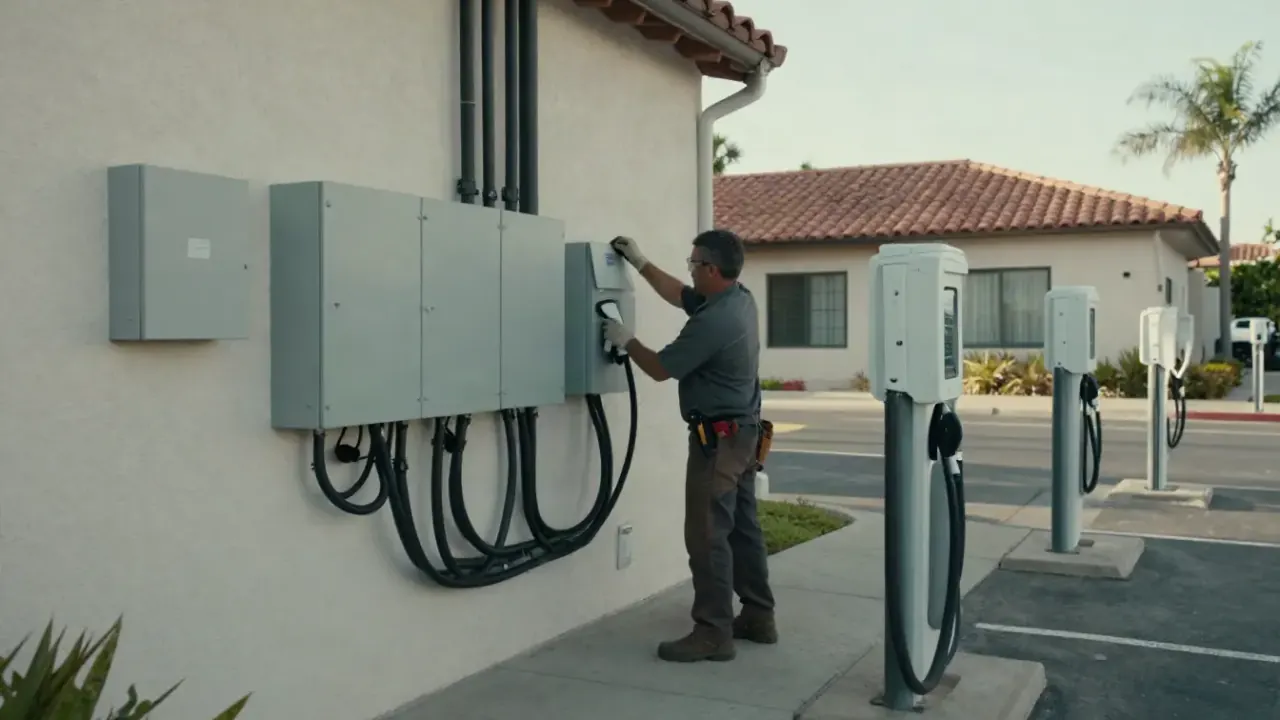
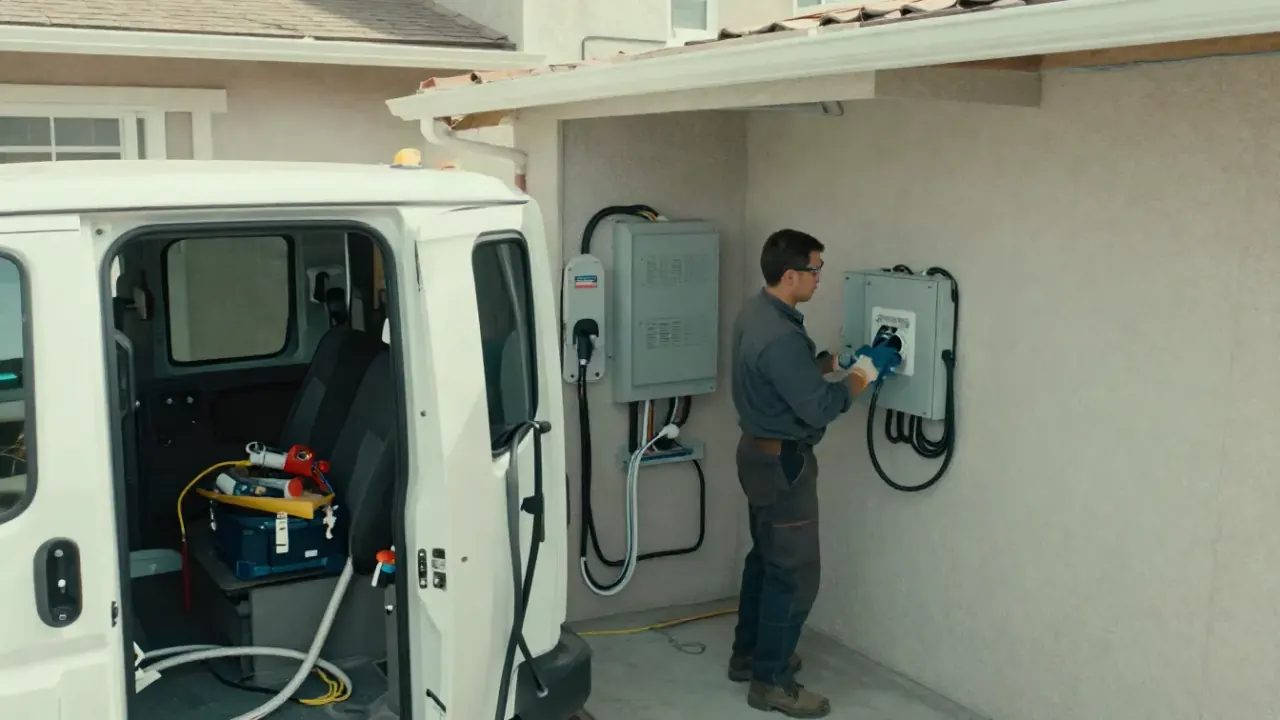
We assess single-family homes, townhomes, and condos across Redondo Beach. You get a written capacity result the same day, and we explain what it means for your charger.
We assess service capacity for multifamily buildings, workplaces, and small commercial sites. The report covers main switchgear, demand calculations, and circuit layout options.
A Panel Capacity and Load Assessment Redondo Beach CA is a documented evaluation of your electrical service that determines whether your existing panel can safely support a new Level 2 EV charger. We open the panel, photograph the bus bar and breaker layout, verify the main disconnect rating, and measure actual voltage and amperage draw on your existing circuits. From there we apply NEC Article 220 load calculation methods to your square footage, appliance list, and EV charger amperage. You get a written result, not a guess.
Most Redondo Beach homes were built between 1948 and 1975, and many still run 100-amp service with a panel that is already 80% full. Adding a 40-amp or 48-amp EV charger to that setup without checking first is how breakers start tripping and chargers overheat. If you are searching for an electrical panel load assessment Redondo Beach homeowners can actually use, we deliver the numbers in plain language and tell you what your options are before you spend a dollar on hardware.
We measure the real load, run the numbers, and tell you what your panel can actually handle.
Five steps, usually completed in a single visit. Here is exactly what happens from the moment you call until you have a written result in hand.
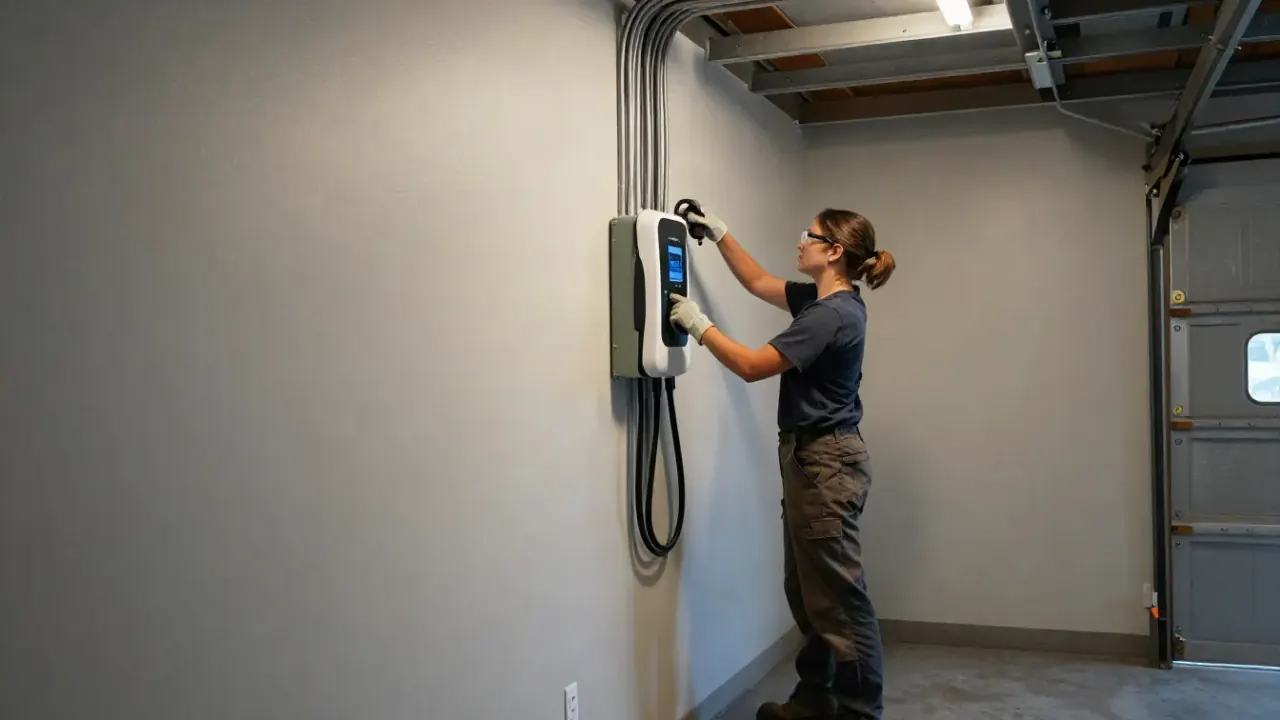
We ask for your address, panel brand, main breaker size, and the EV you drive. That takes about ten minutes and lets us bring the right test equipment and any likely breaker or load management parts on the first trip.
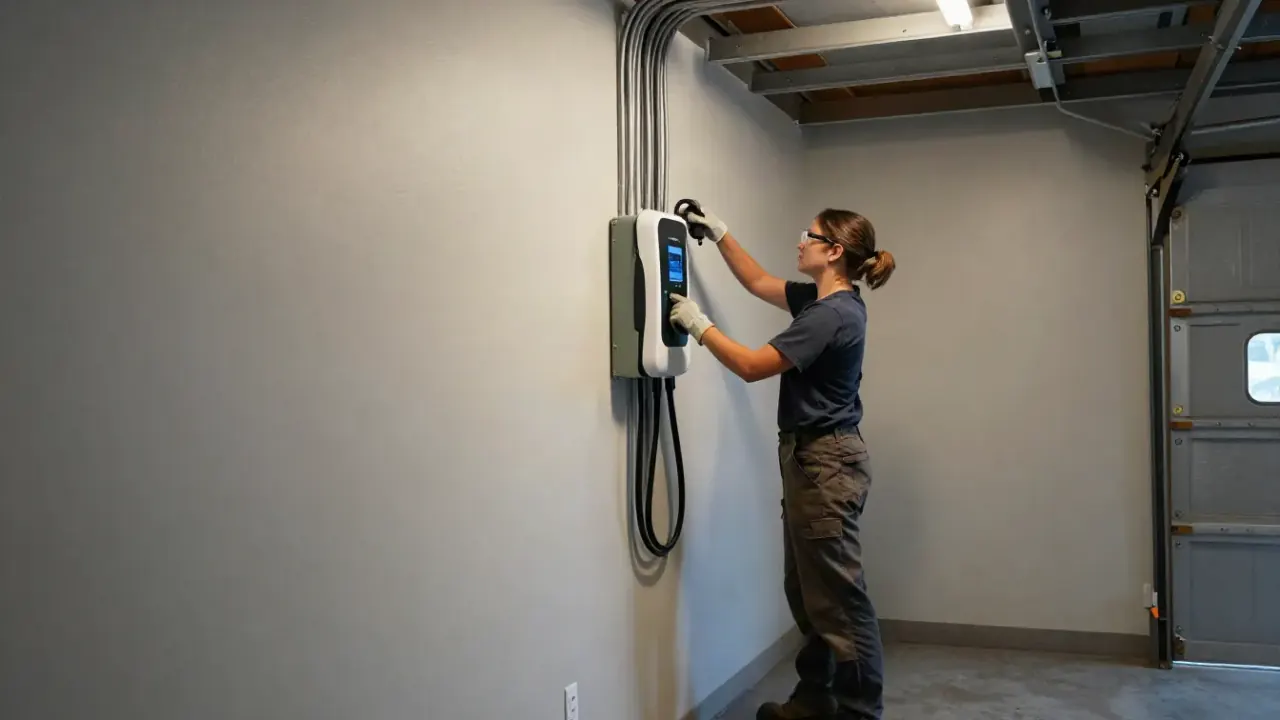
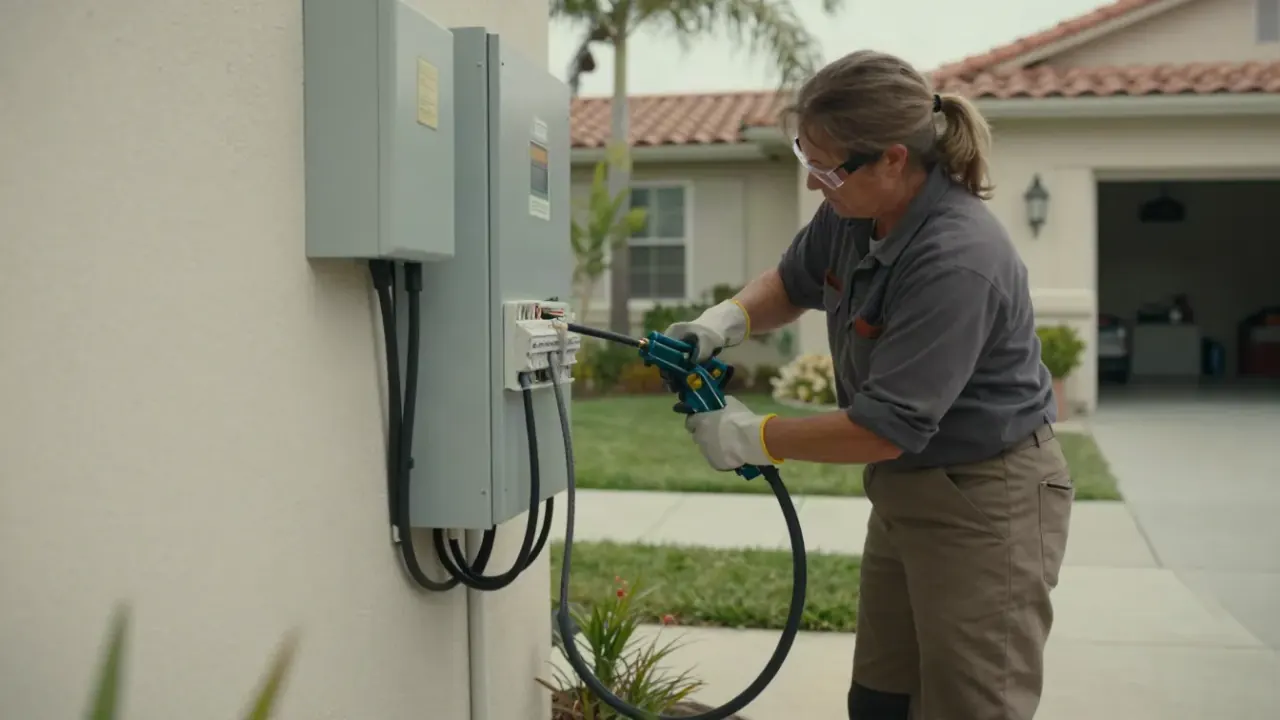
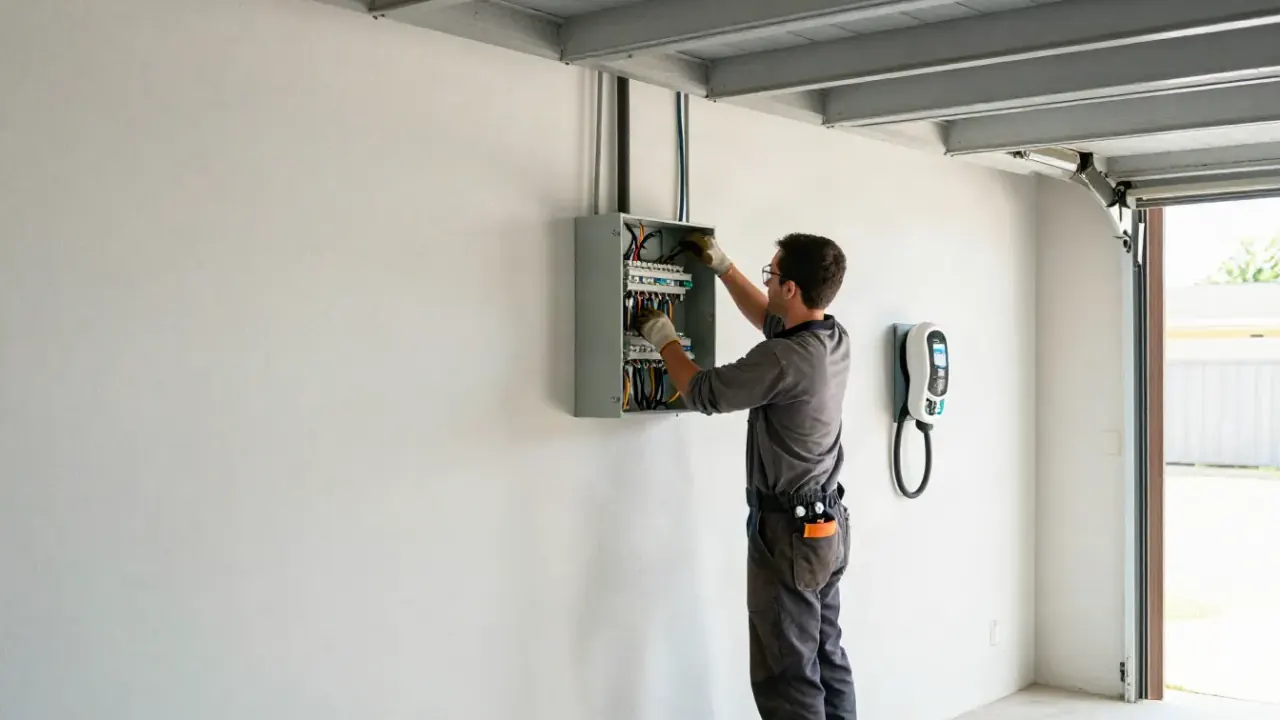
On site we remove the dead front, photograph every breaker position, and check for double-tapped breakers, scorched bus bars, or aluminum wiring. We verify the main disconnect rating and note the panel's UL Listed label and age.
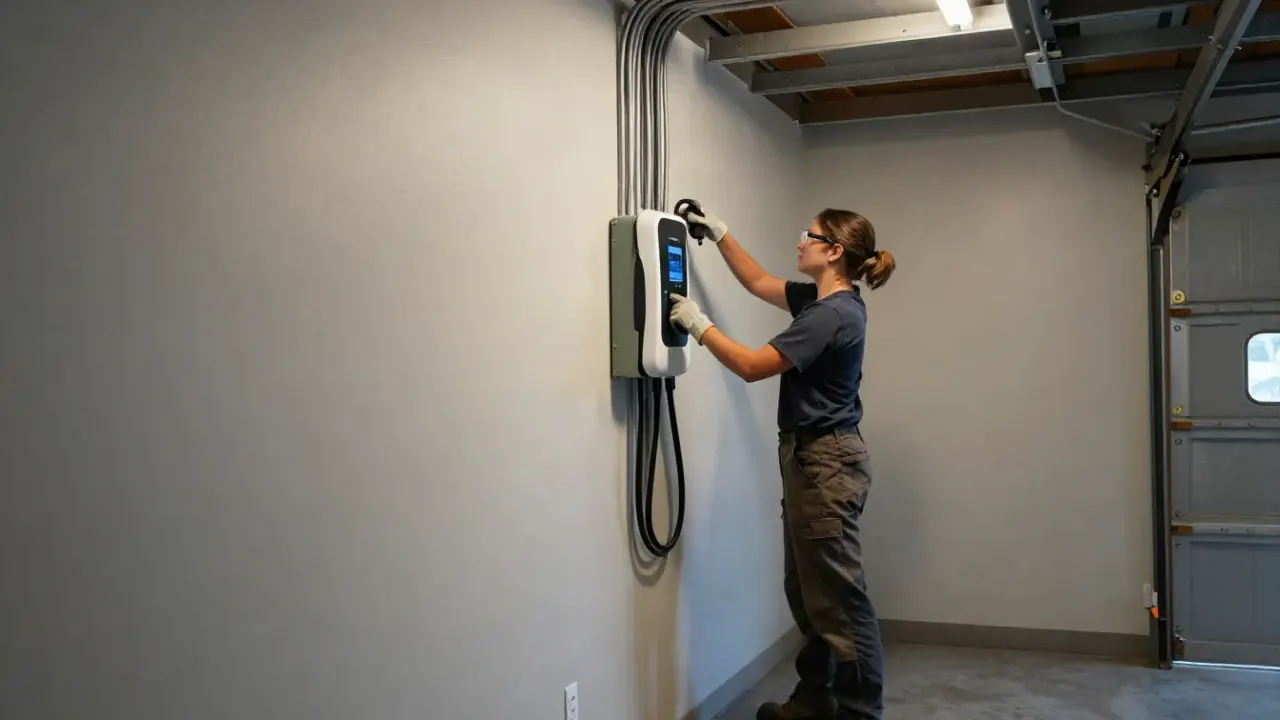
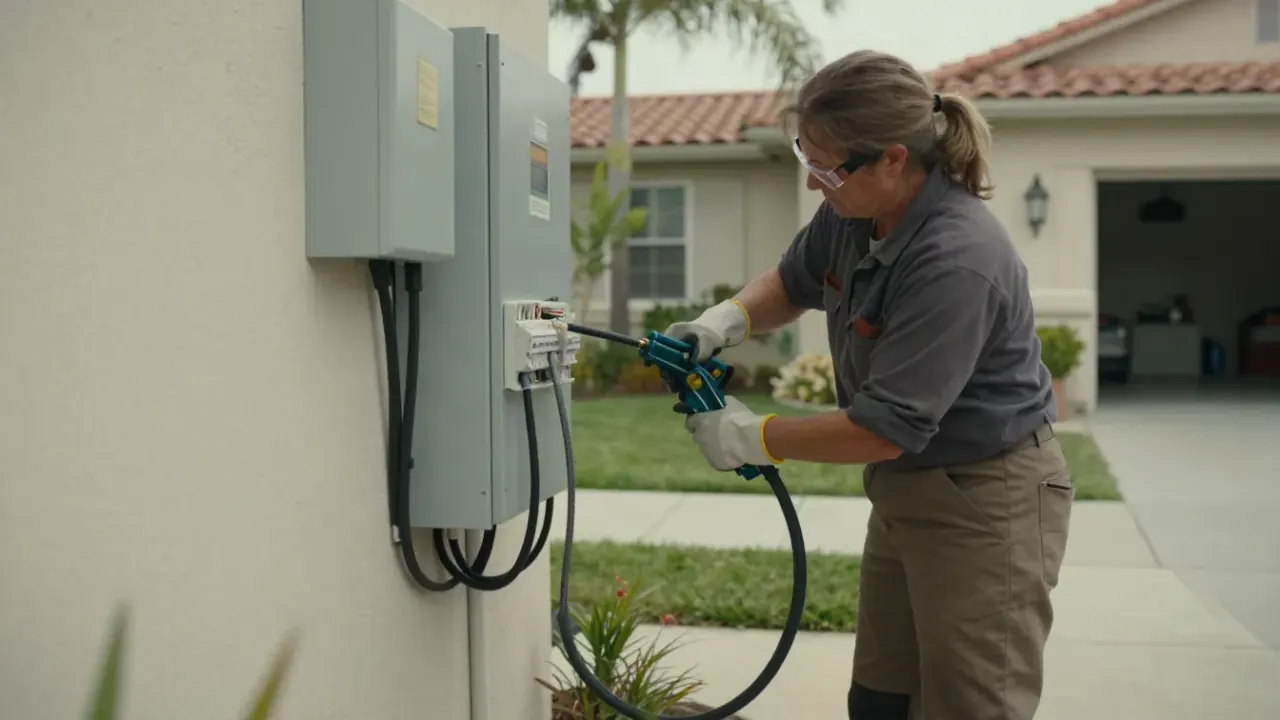
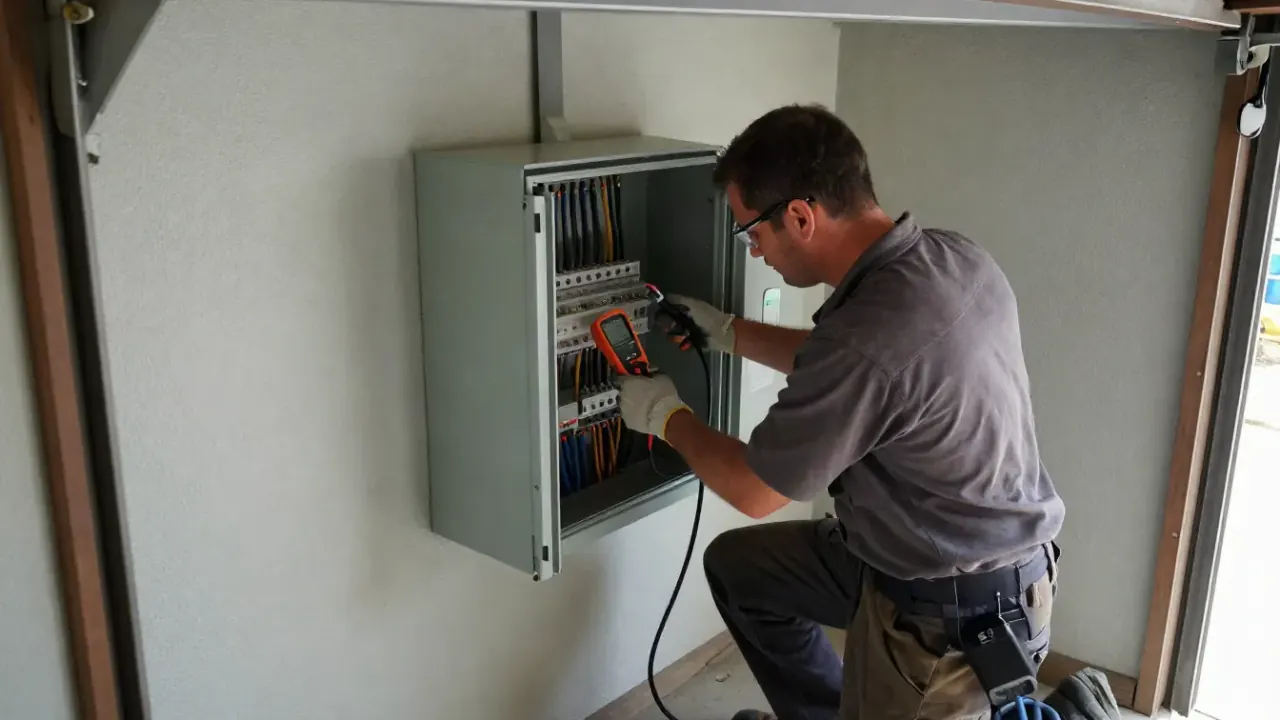
Using a multimeter and clamp meter we measure voltage at the panel, check for voltage drop under load, and record the actual amperage draw of your major appliances. This takes 30 to 45 minutes and gives us real numbers instead of nameplate estimates.
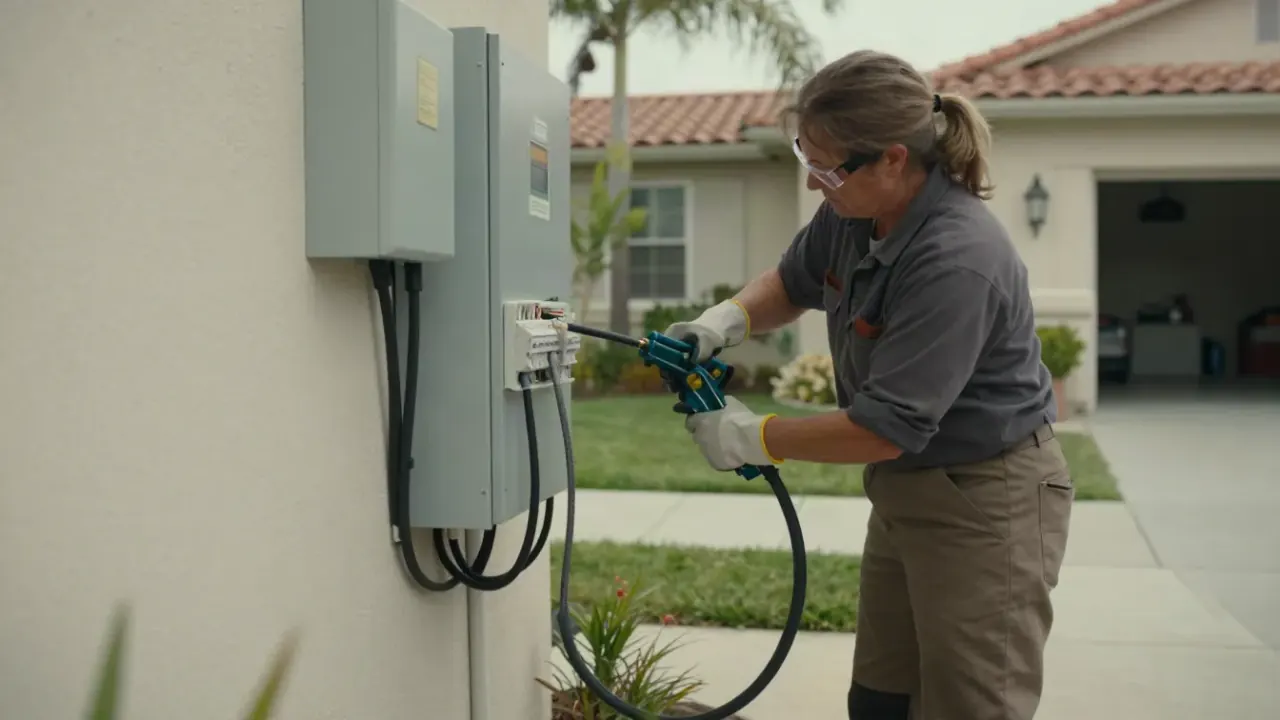
We run the standard load calculation under NEC Article 220, add your proposed EV charger amperage, and compare the total against your service rating. If you are in a condo or HOA building, we also review the shared meter configuration.
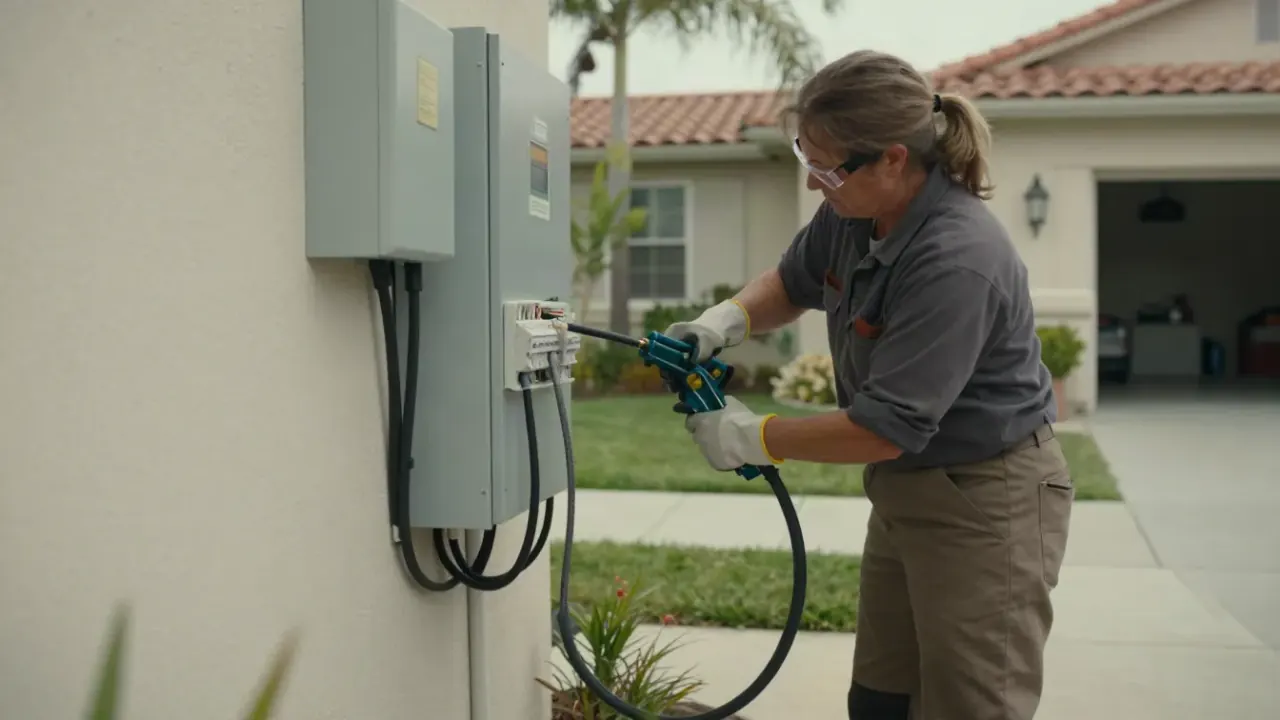
You receive a one-page summary with your available capacity, the maximum charger amperage you can support, and a clear recommendation: install as-is, add a load management device, or upgrade to a subpanel. We walk you through it before we leave.
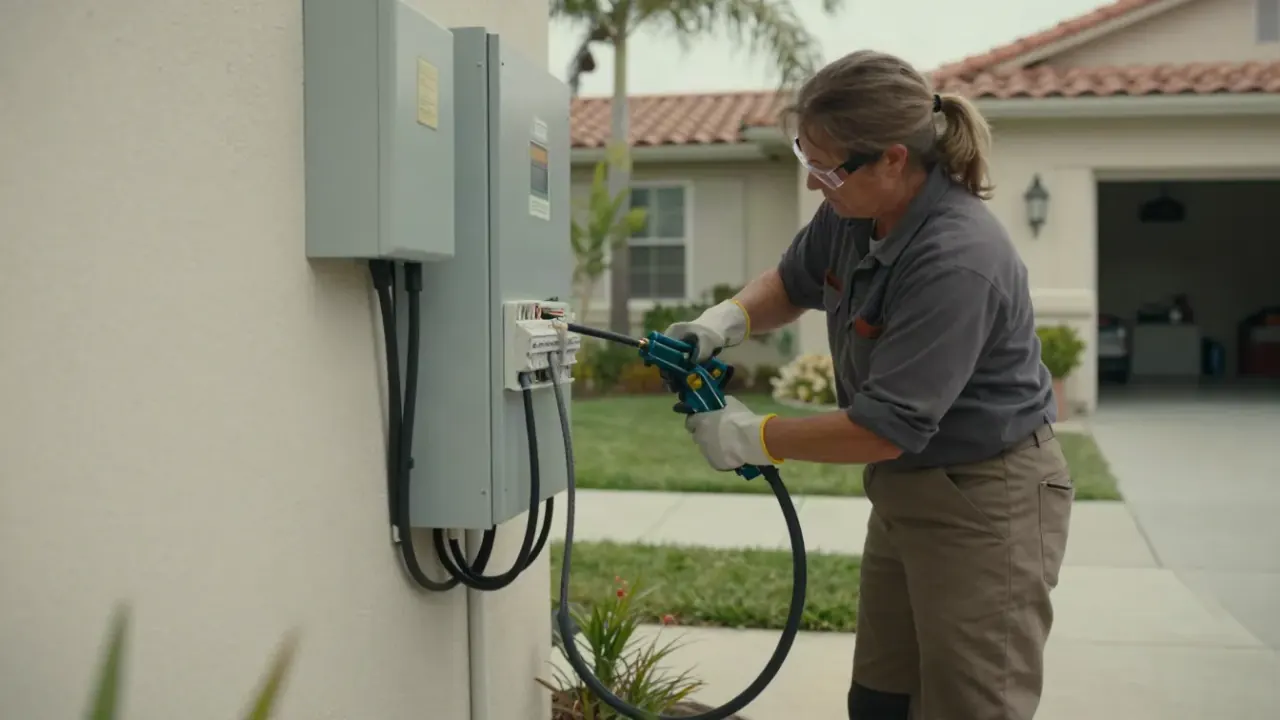
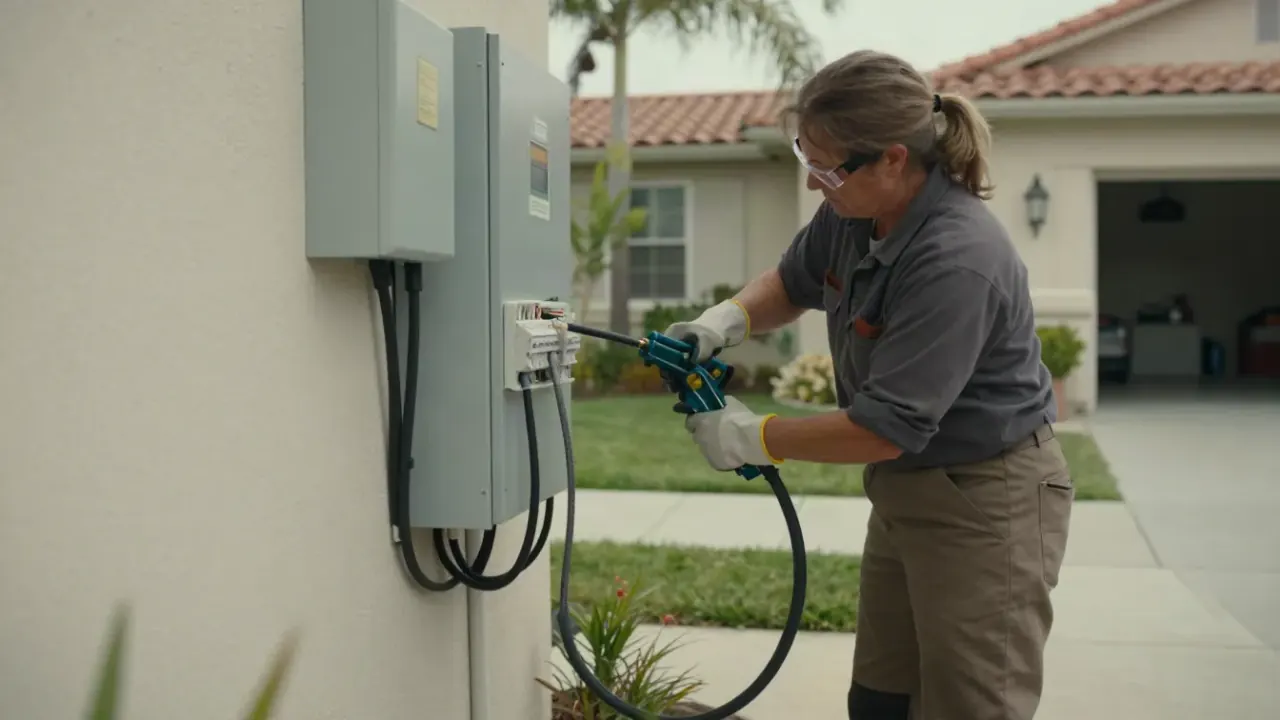
Measures actual amperage draw on individual circuits and the main service feed while appliances are running. This gives us real load data instead of relying on nameplate ratings.
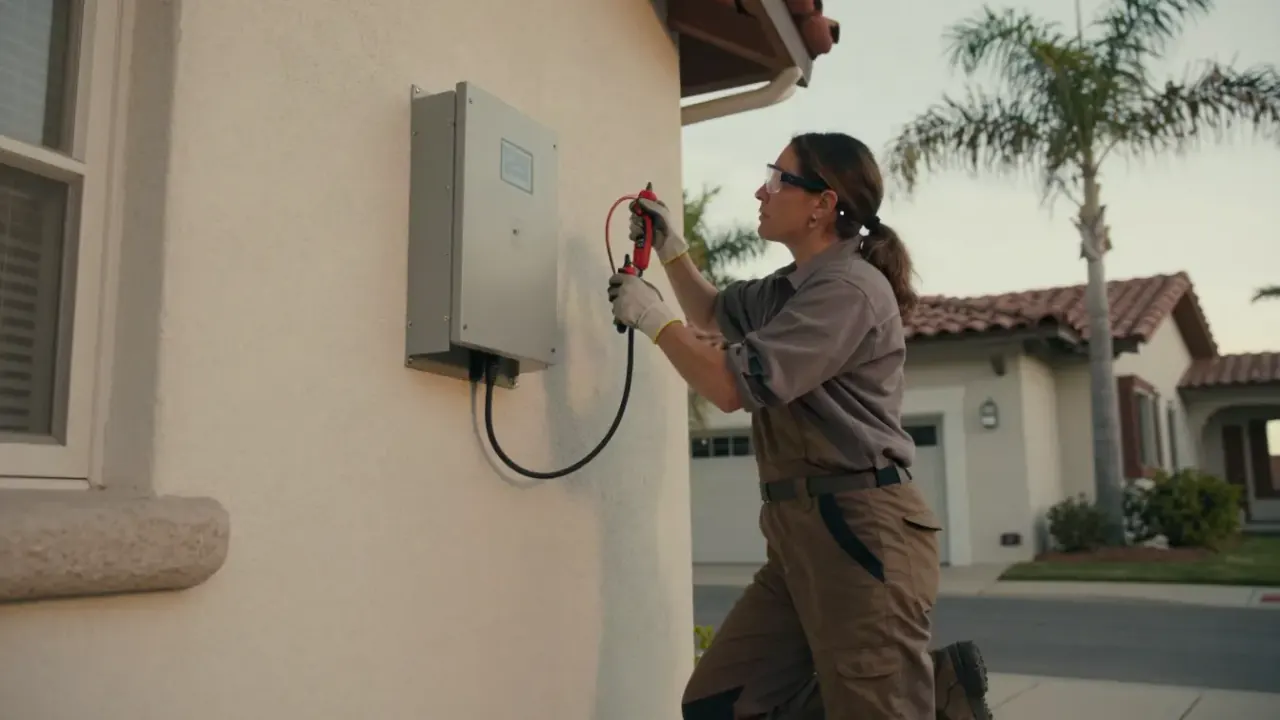
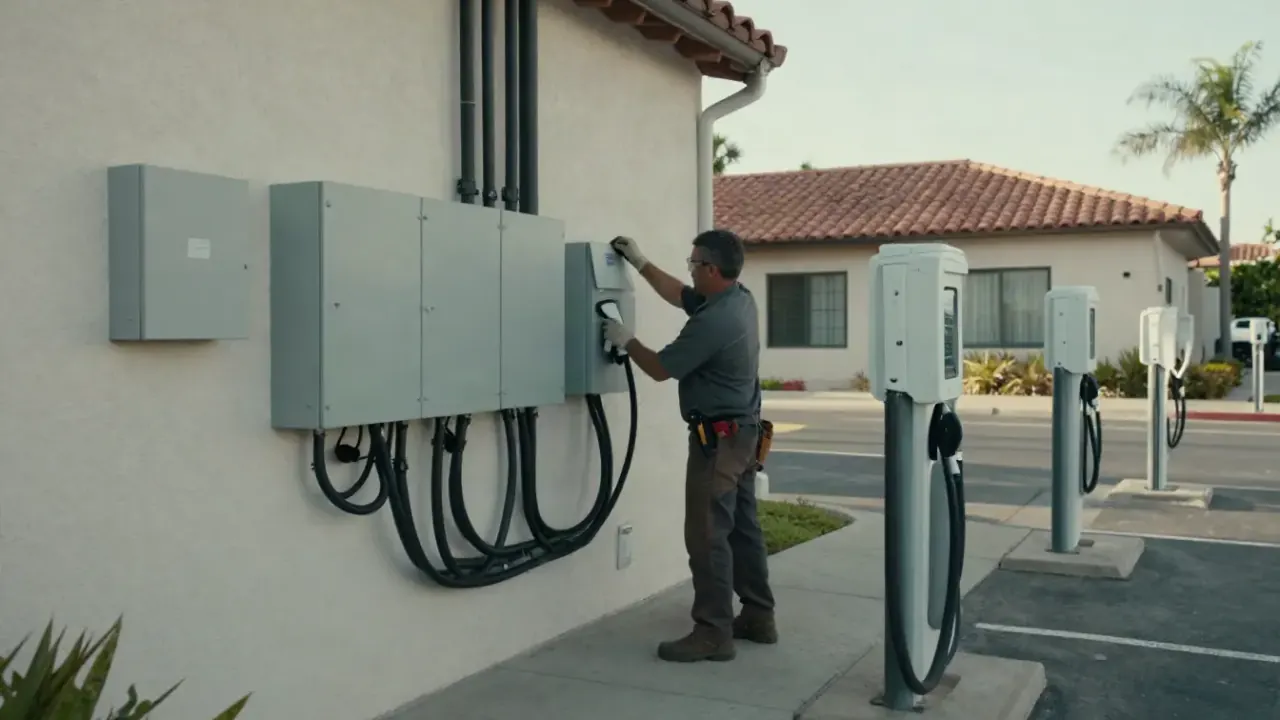
Verifies voltage at the panel and at the proposed charger location, and checks for voltage drop on long circuit runs. Essential for catching wiring problems before they cause charger faults.
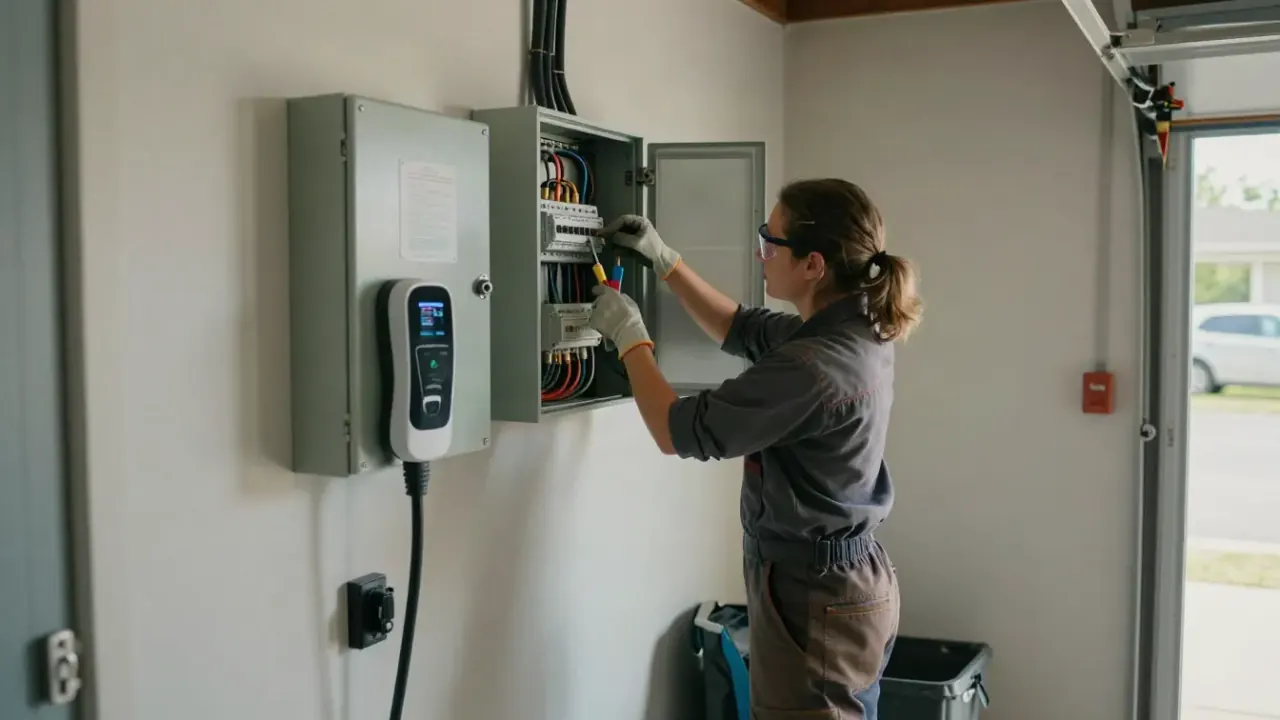
Ensures every breaker and terminal connection is tightened to the manufacturer's specified inch-pounds. Loose connections are a leading cause of overheating and arcing at the panel.
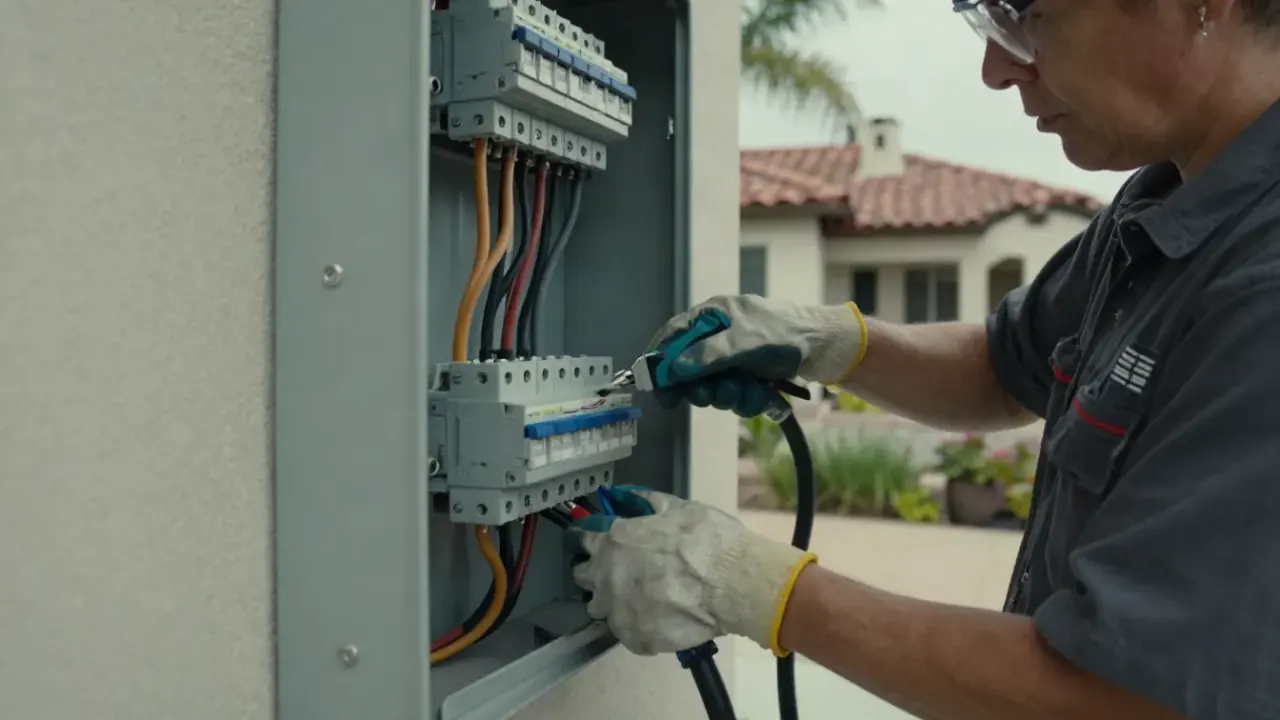
Used during any follow-on installation work to prepare 6 AWG and 8 AWG copper wire cleanly and secure the cable at the panel entry point.
Scans breakakers and bus bars for hot spots under load. Finds overloaded circuits and failing breakers that a visual inspection alone would miss.
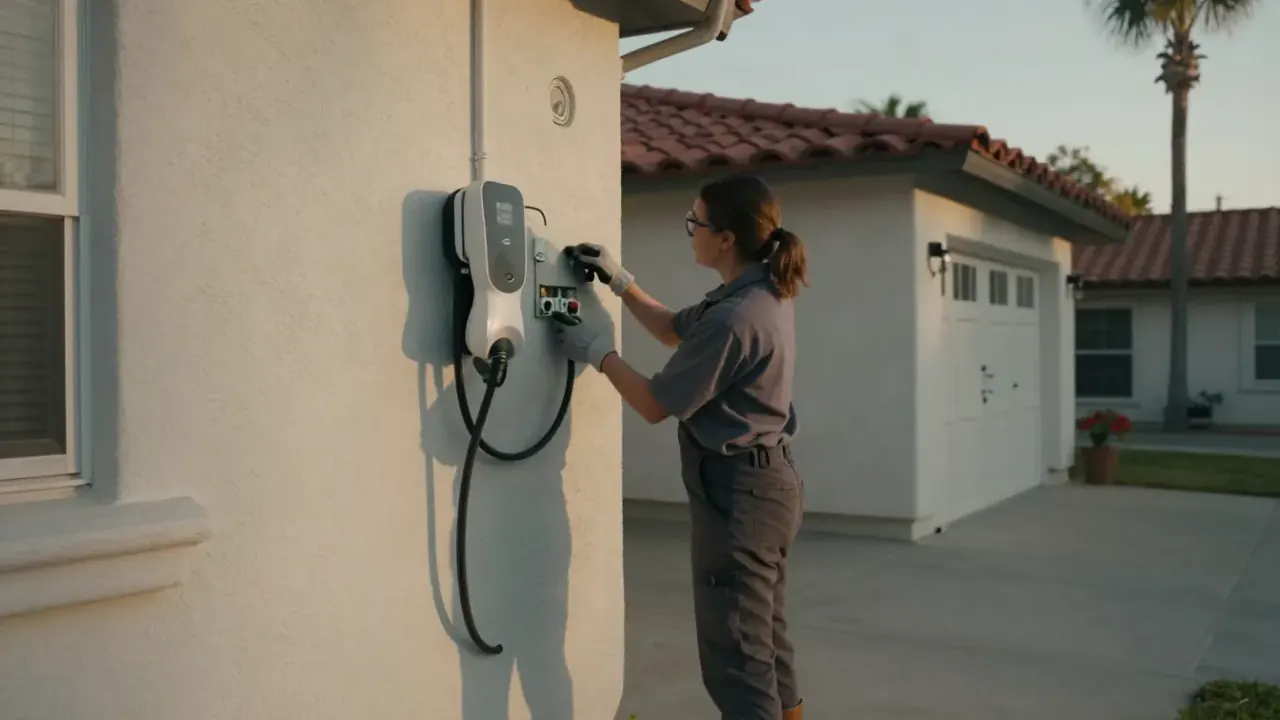
The standard method for calculating a dwelling's total electrical demand based on square footage, appliance loads, and continuous vs. non-continuous usage. We apply the optional method where it benefits the homeowner, which often yields more available capacity.
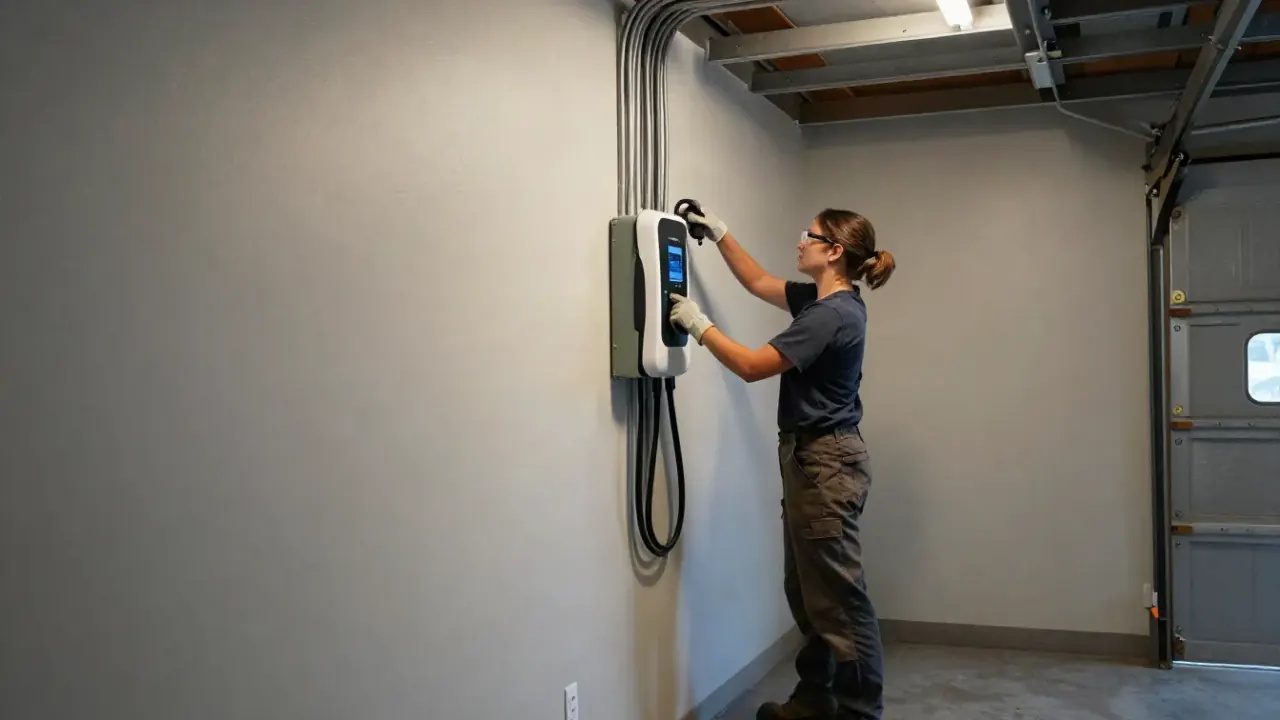
Governs EV supply equipment installation, including circuit sizing, GFCI protection, and ventilation requirements. Every recommendation we make complies with Article 625 as adopted by California.
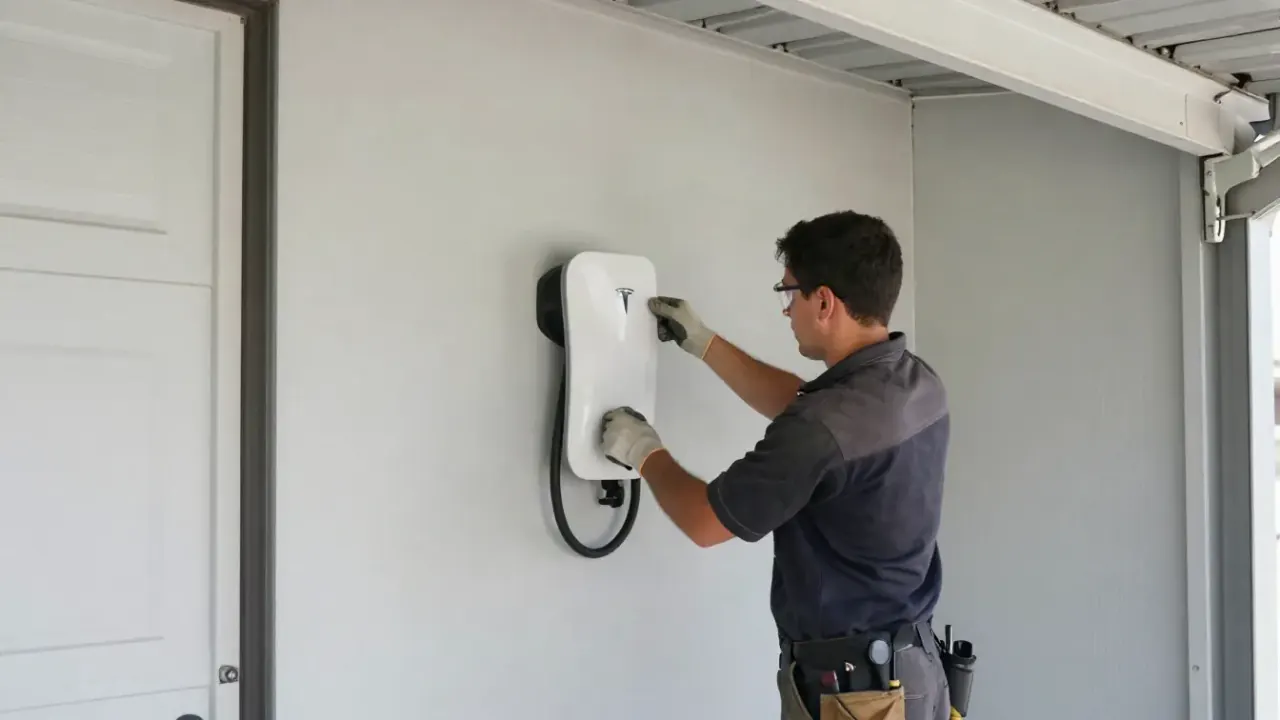
California's energy code affects EV charging readiness requirements in new construction and some remodels. We verify whether your project triggers Title 24 requirements and document compliance where needed.
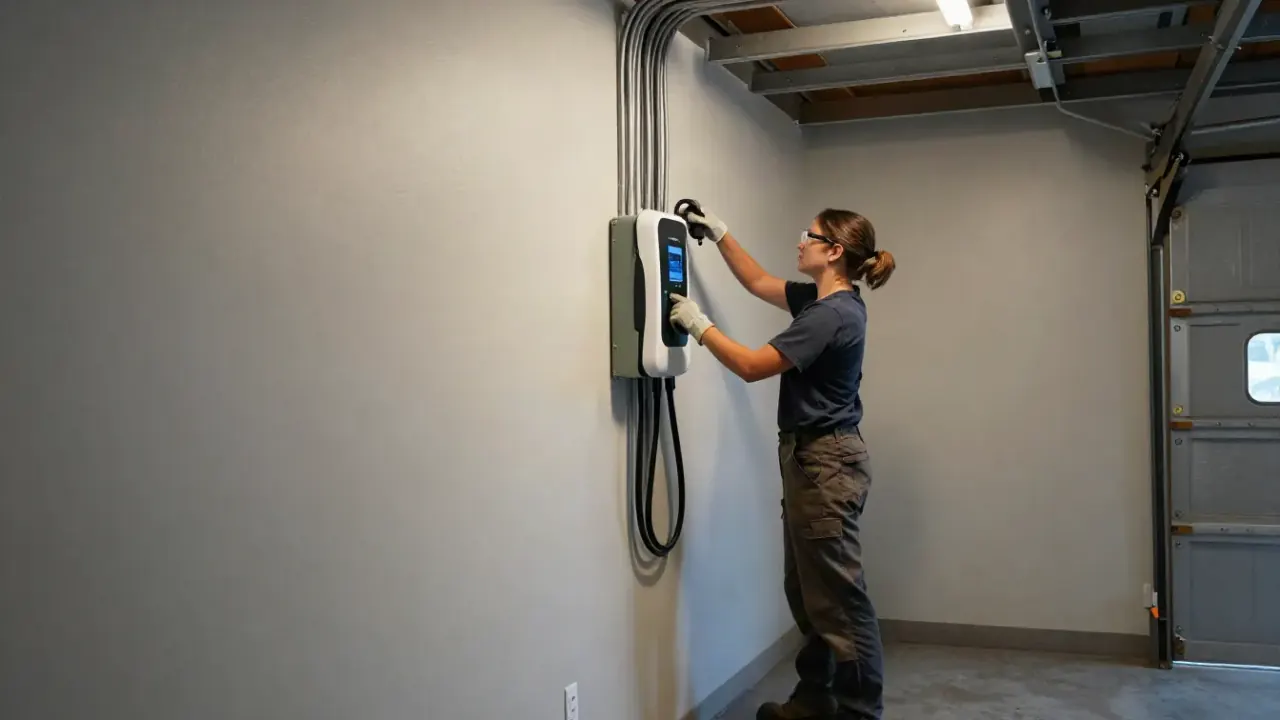
We inspect your panel, measure existing load, and calculate whether a 48-amp Wall Connector fits. If it does not, we recommend the correct amperage or a load management device so you can still charge overnight. You get a charger that runs at full speed without tripping breakers, and you know exactly why the amperage was set where it was.
We open the panel, check the bus bar condition, measure actual draw, and run the calculation. Many 100-amp panels in this area can support a 32-amp charger once we account for gas appliances. You avoid a $3,000 panel upgrade and get a code-compliant charger installation instead.
We assess the shared panel or your unit's subpanel, document available capacity, and produce a report formatted for HOA review. We have done this for multiple condo buildings in the area. Board approval moves forward without delays, and the installation proceeds on schedule.
We re-run the load calculation and inspect the circuit, looking for GFCI breaker issues, loose wiring connections, or a ground fault caused by moisture in the conduit run. The root cause gets fixed instead of the symptom, and your replacement charger stops faulting.
Redondo Beach has a specific set of conditions that shape every load assessment we run. The housing stock is old: a large share of homes in North Redondo, El Nido, and The Avenues were built between 1948 and 1975, and many still have their original 100-amp panels. The marine climate keeps corrosion low compared to coastal areas farther north, but we still find oxidized bus bars and loose breaker terminals in panels that have never been opened. Summer inland heat pushes air conditioning loads up in the Upper Avenues and Golden Hills, which eats into available capacity. When we run an electrical load calculation for EV charger in Redondo Beach CA, we account for all of it: the age of the panel, the real appliance load, and the continuous 40-amp draw your charger will add. If you are looking for an electrical load calculation for EV charger near me Redondo Beach, we cover the 90277 and 90278 ZIP codes daily and know what the local permit office expects to see.
A homeowner in North Redondo wanted a 48-amp Tesla Wall Connector but assumed his original 100-amp panel could not handle it. He had already received a $3,800 quote for a full 200-amp service upgrade from another contractor.
Our load calculation showed 38 amps of available capacity after accounting for his gas appliances. We installed a 32-amp circuit with a load management device for $1,150 total. The charger delivers 240 miles of range overnight, which covers his commute with room to spare.
The load management device self-regulates based on household demand. We recommend an annual panel inspection to check terminal torque and look for any signs of overheating.
A family in El Nido had a 100-amp panel with every breaker slot occupied and no room for an EV circuit. Two other contractors told them a full panel replacement was the only option, quoting $4,200.
We verified the service had 45 amps of available capacity and installed a 100-amp subpanel fed from the main. The EV circuit landed in the subpanel, and the total project came in at $1,850. Inspection passed on the first visit.
Keep the area around both panels clear and check the subpanel breaker monthly for any signs of heat or discoloration. We include a one-year workmanship warranty on the subpanel installation.
A condo owner in Riviera Village had a charger that faulted every few days. The manufacturer replaced the unit under warranty, but the new charger faulted too. The HOA was threatening to revoke her charging privileges.
Our assessment found moisture intrusion in the conduit run and a GFCI breaker that was tripping on a ground fault from damaged wire insulation. We replaced the damaged section, installed a new GFCI breaker, and re-ran the load calculation. No faults in six months.
We sealed the conduit entry point to prevent future moisture intrusion. An annual inspection of the charger and breaker keeps the system running without surprises.
Most EV charging headaches trace back to a panel that was never properly evaluated. These are the four issues we see most often in Redondo Beach.
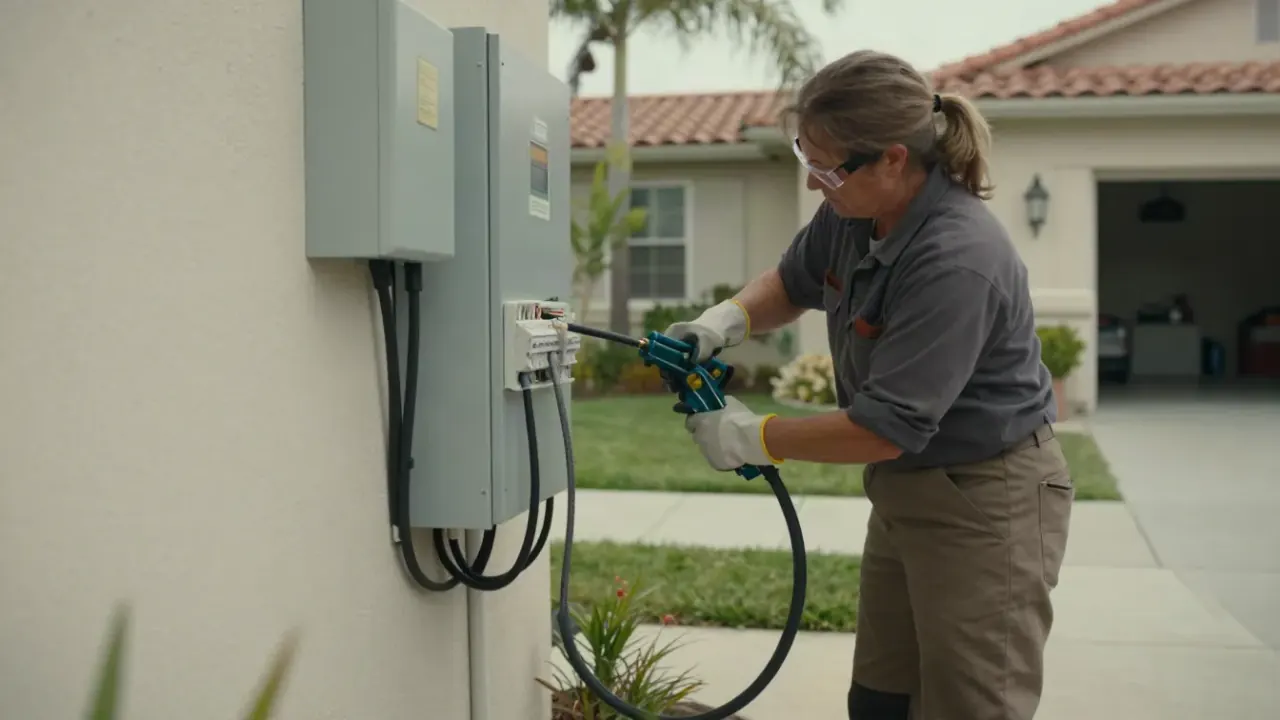
We measure the actual continuous load, compare it to the breaker rating, and either downsize the charger amperage or install a load management device. The fix is usually a settings change, not a new panel. A tripping breaker means the circuit is overloaded. Keep resetting it and you risk overheating the charger, damaging the breaker, and creating a fire hazard at the panel.
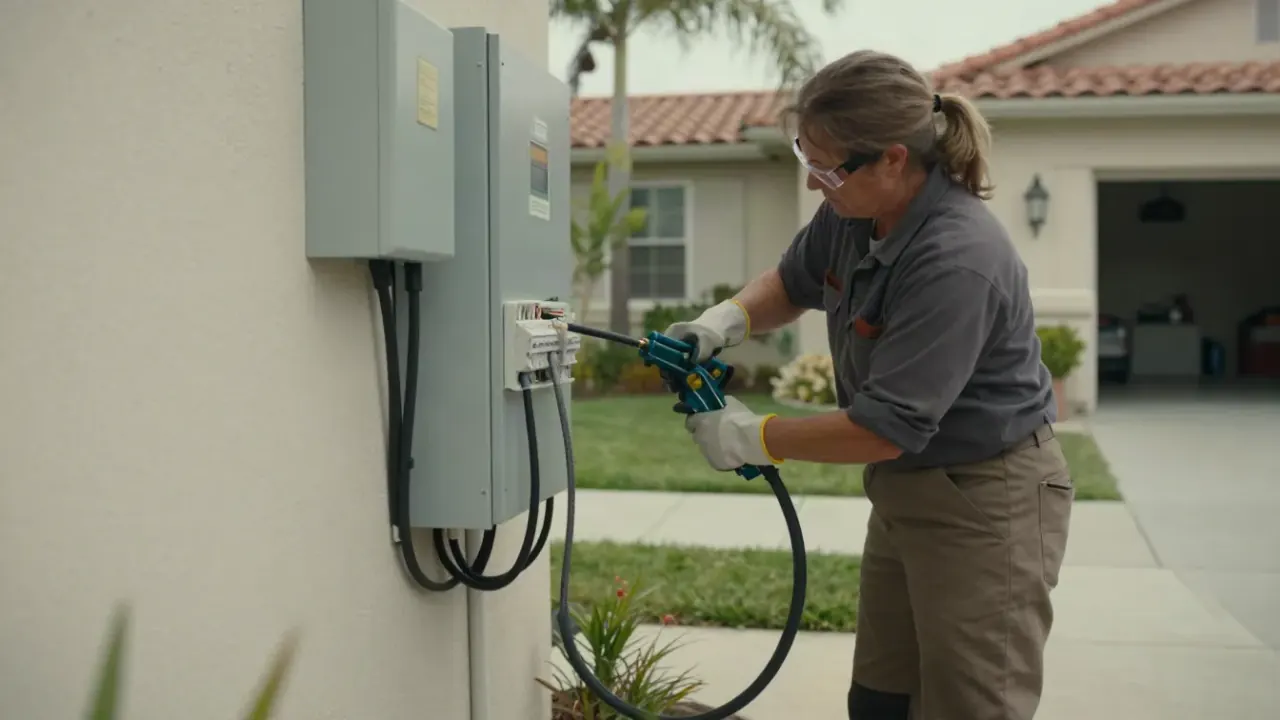
A subpanel fed from the main panel often solves this for far less. We verify the service has capacity, install a 100-amp subpanel, and land the EV circuit there. Common fix in older Redondo Beach homes. No empty slots means no obvious place to land a new 240V circuit. Homeowners often assume this forces a full panel replacement, which runs $2,500 to $4,500.
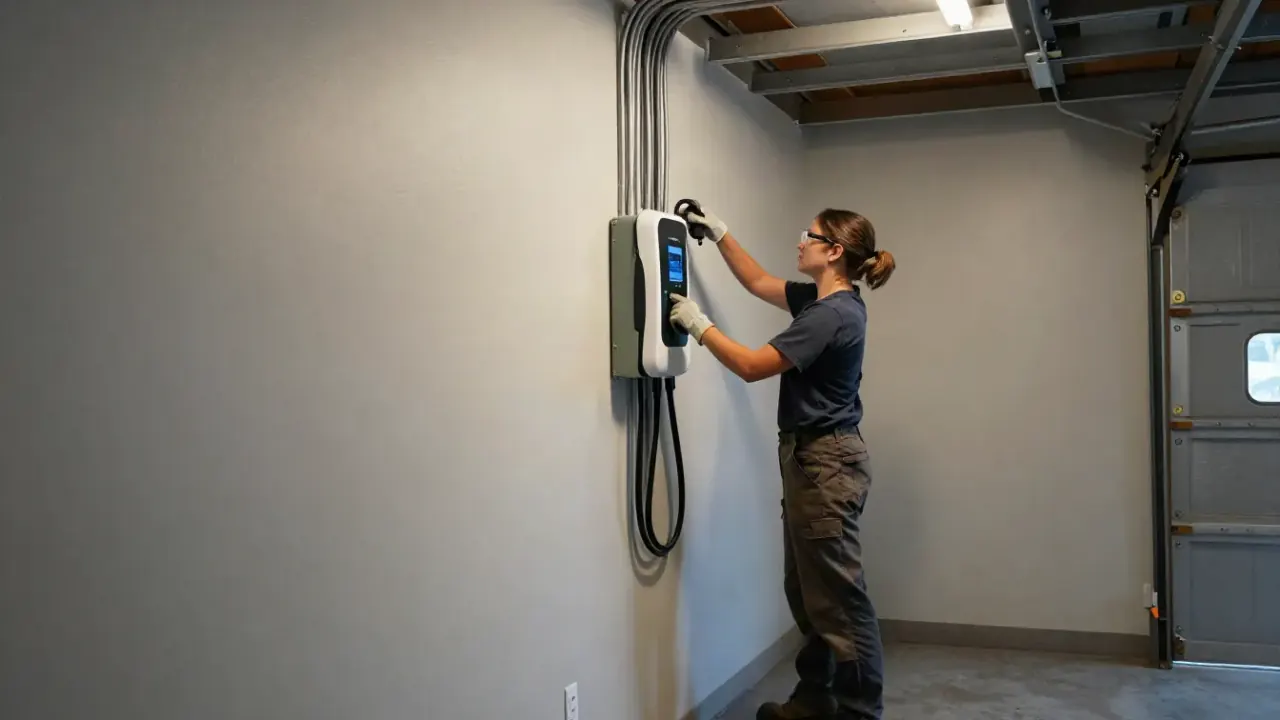
We check torque on every terminal with a torque screwdriver, verify wire gauge against the circuit length, and confirm voltage at the charger under load. If the run is too long for 8 AWG copper wire, we upsize to 6 AWG. Overheating usually points to loose wiring connections, undersized wire, or voltage drop on a long circuit run. Ignoring it shortens charger life and can damage the vehicle's onboard charger.
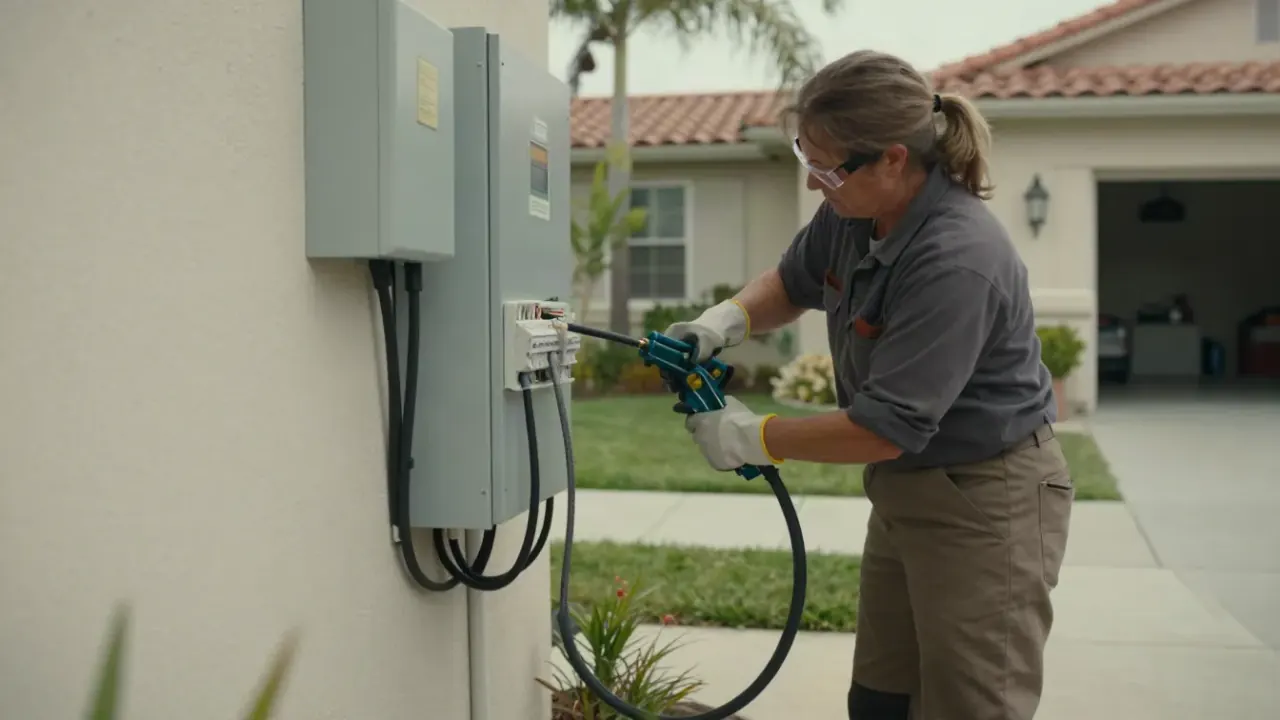
Our written report cites the NEC Article 220 method, shows measured data, and states available capacity in plain terms. We have never had a Redondo Beach permit reviewer reject one of our assessment reports. Without documentation, your charger installation stalls at the approval stage. HOA boards and city reviewers will not take a verbal assurance that the panel can handle the load.
A proper load calculation often shows you have more capacity than you think. We have saved Redondo Beach homeowners the $2,500 to $4,500 cost of an unnecessary 200-amp panel swap by proving a 100-amp service could handle a 32-amp charger with a load management device.
Breaker overload and overheating charger problems almost always trace back to a circuit that was never sized correctly. Our assessment measures real amperage draw and confirms your 240V circuit breaker, 6 AWG copper wire, and conduit can carry the load continuously without nuisance trips.
Redondo Beach permit reviewers want to see NEC Article 625 and NEC Article 220 compliance on paper. Our load calculation documentation is formatted for submittal, which means fewer correction notices and a faster sign-off on your charger installation.
Not every EV needs a 48-amp circuit. After the assessment we recommend the correct amperage for your Tesla Wall Connector, ChargePoint Home Flex, or Wallbox Pulsar Plus, so you are not paying for capacity your daily commute never uses.
Typical 2026 pricing for a Panel Capacity and Load Assessment Redondo Beach CA runs $180 to $350. The low end covers a straightforward single-family panel with easy access. The high end covers condo and HOA jobs that need extra documentation, or panels that are difficult to access. If you hire us for the charger installation, we credit the full assessment fee toward the project. That makes the assessment effectively free when it leads to work, and still a bargain when it saves you from an unnecessary $3,000 panel upgrade.
What your estimate is based on
$180 - $350 depending on panel count, accessibility, and documentation needs The assessment costs a fraction of a panel upgrade and often eliminates the need for one entirely. When it does lead to installation work, we credit the fee back, so you pay nothing extra for the information that keeps your charger safe and code-compliant.
Clear records you can keep and share.
Available amps, max charger amperage, clear recommendation
Real voltage and amperage readings from your panel
NEC Article 220 method and calculation details
The number on your main breaker is the maximum, not your available capacity. Available capacity is what remains after your existing appliances and lighting are accounted for.
Appliance nameplates list worst-case draw. Actual measured draw is often lower. We measure both and use the real numbers.
EV charging is a continuous load, which means it runs at full amperage for hours. That changes the math compared to a dryer or oven that cycles on and off.
A gas range, gas dryer, and gas water heater free up significant capacity. Many 100-amp Redondo Beach panels can support a 32-amp charger because of this.
Outside these areas? Call and ask, we may still cover you. (310) 294-5464
Most assessments run $180 to $350 in 2026, depending on panel accessibility and whether you need HOA documentation. That fee is often credited toward your charger installation if you hire us for the work. The cost covers the on-site inspection, load measurement, NEC Article 220 calculation, and written capacity report. Call (310) 294-5464 for a firm quote based on your address.
You cannot know for certain without measuring. A 100-amp panel with a gas dryer, gas range, and no central AC often has enough capacity for a 32-amp charger. Add an electric range, electric dryer, and central AC and that same panel is usually maxed out. We measure actual draw, run the calculation, and tell you the maximum charger amperage your service supports.
Licensed electrical contractors with CSLB C-10 credentials and EVITP Certification perform these calculations. Our technicians handle them daily across Redondo Beach, Hermosa Beach, Manhattan Beach, Torrance, and Lawndale. We bring multimeters, clamp meters, and torque screwdrivers to every job and document the calculation method so your permit reviewer can verify it.
It is a math-based evaluation of your home's total electrical demand compared to your service rating. We add up your existing appliance loads using NEC Article 220 methods, subtract that from your panel's capacity, and see how much room is left for a continuous EV charging load. The result tells you whether a Level 2 charger fits as-is or needs a panel upgrade.
One visit, 60 to 90 minutes, and you will know exactly what your panel can handle. Call (310) 294-5464 or book online. We serve Redondo Beach, CA and all of Los Angeles County with same-day written results.
Call us at (310) 294-5464 or send a note and we will get back to you the same business day. Tell us the car, the charger you want, and where it is going, and we can often give you a ballpark before we drive out. We are in Redondo Beach, California and work Los Angeles County daily.