Written scope
Flat price before work begins
Level 2 Home Charger Installation Redondo Beach CA gives you a dedicated 240V circuit that charges your EV overnight, not over a weekend. We install Tesla Wall Connectors, ChargePoint Home Flex, Wallbox Pulsar Plus, and NEMA 14-50 outlets for homeowners across North Redondo, South Redondo, and the Avenues. If your panel is full or you need a subpanel, we handle that too. One visit, one permit, one clean install.
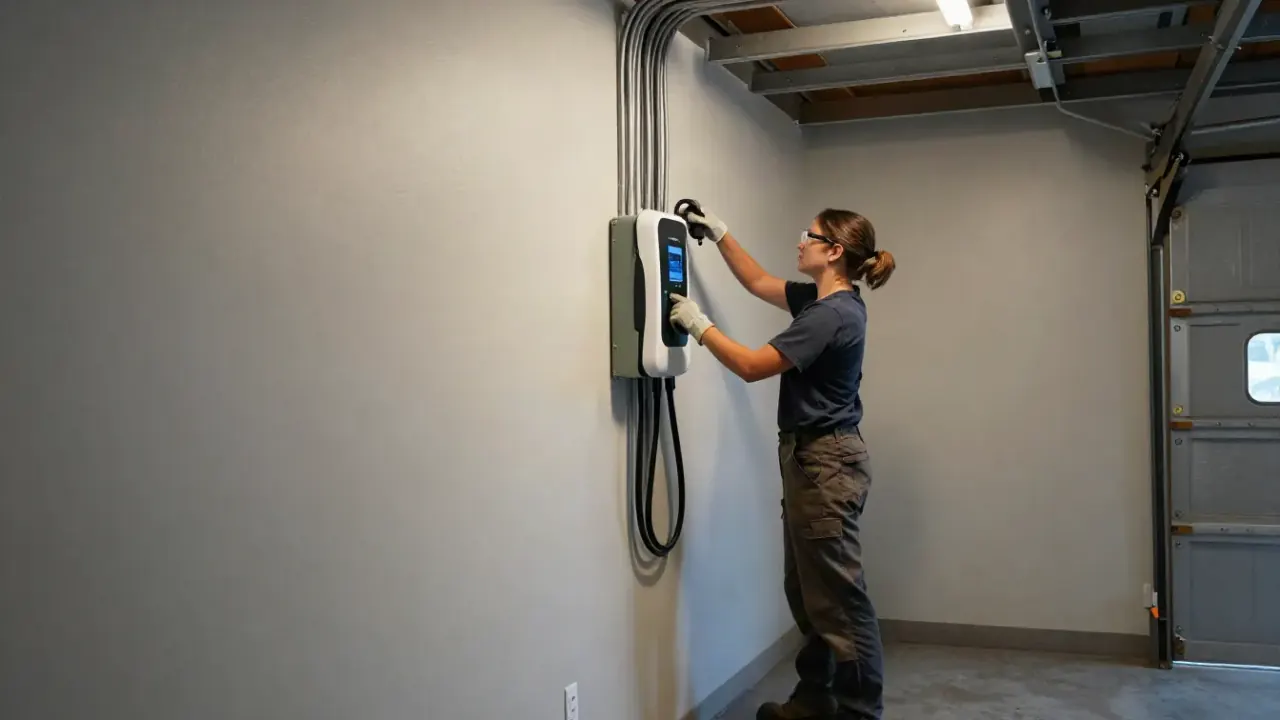
Every install includes the electrical work, the permit, the testing, and the walkthrough. Here is what is covered in a standard job, and what we quote separately if your panel or wire run needs extra work.
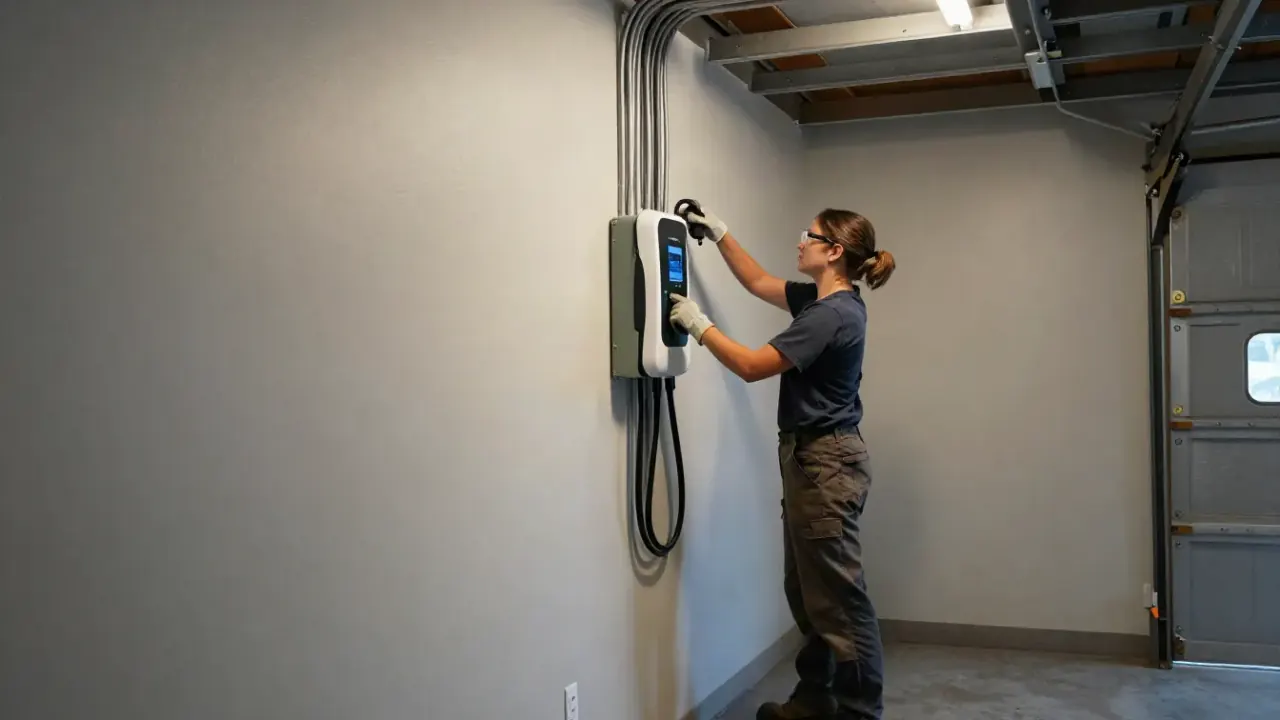
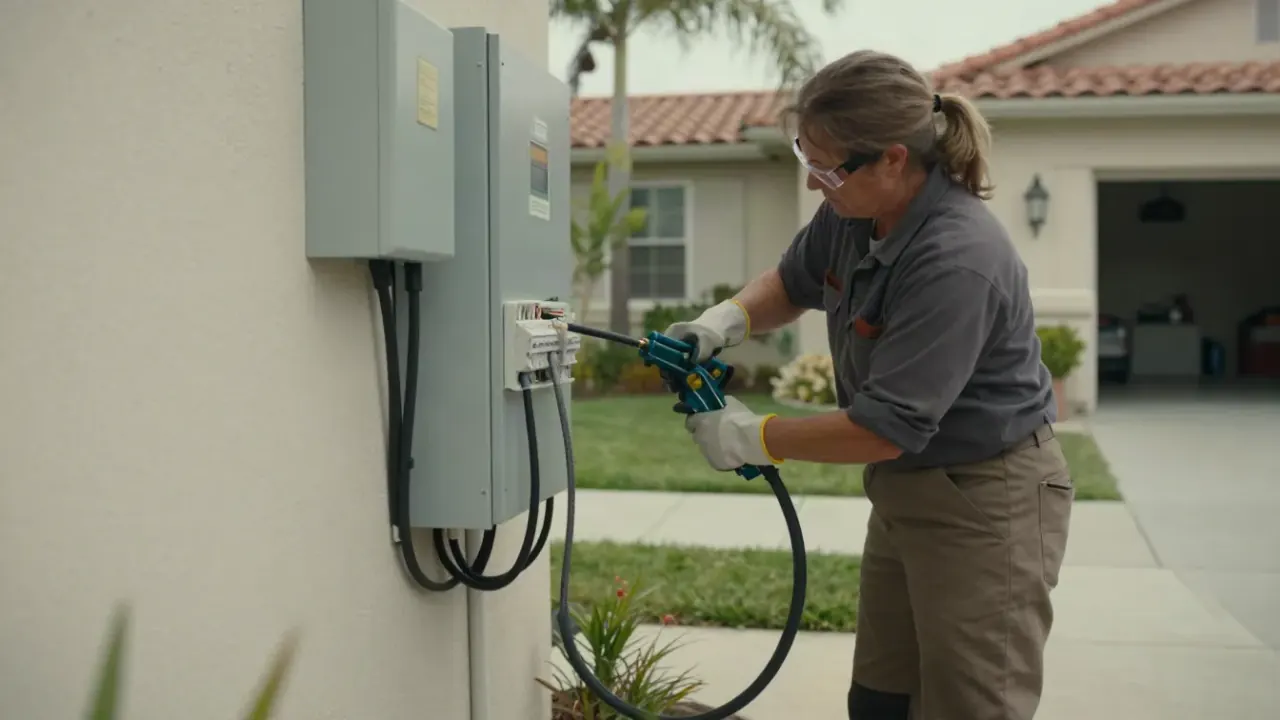
We install Level 2 charging in attached and detached garages, driveways, and carports. You get a dedicated 240V circuit, a mounted charger, and a walkthrough of the app before we leave.
We install Level 2 charging for apartment garages, offices, and retail lots. Each job starts with a load plan for multiple chargers, then conduit, mounting, and signage.
Level 2 Home Charger Installation Redondo Beach CA is electrical work that adds a dedicated 240-volt circuit and a hardwired or plug-in charging station to your garage or driveway. A typical job runs a 6 AWG or 8 AWG copper wire from a 240V circuit breaker to an EV charger mounting bracket, then terminates it with a cable clamp, torque screwdriver, and multimeter check. Done right, it follows NEC Article 625 and NEC Article 220 load calculations, so your panel stays legal under California Title 24 and your charger runs at 40 to 48 amps without nuisance tripping.
Most Redondo Beach drivers are charging a Tesla, a Chevy Bolt, or a plug-in hybrid on a standard 120V outlet and getting 3 to 5 miles of range per hour. That is not enough. A 240V home EV charger installation Redondo Beach CA setup delivers 25 to 40 miles per hour, which means a full battery by morning. If you are searching for Level 2 Home Charger Installation in Redondo Beach CA cost, the honest answer is $650 to $2,400 depending on panel capacity, wire run, and whether you need a subpanel.
We size the circuit to your panel and your car, then prove it under load.
Five steps from first call to first charge. Most jobs are done in a single day, and we handle the permit paperwork so you do not have to.
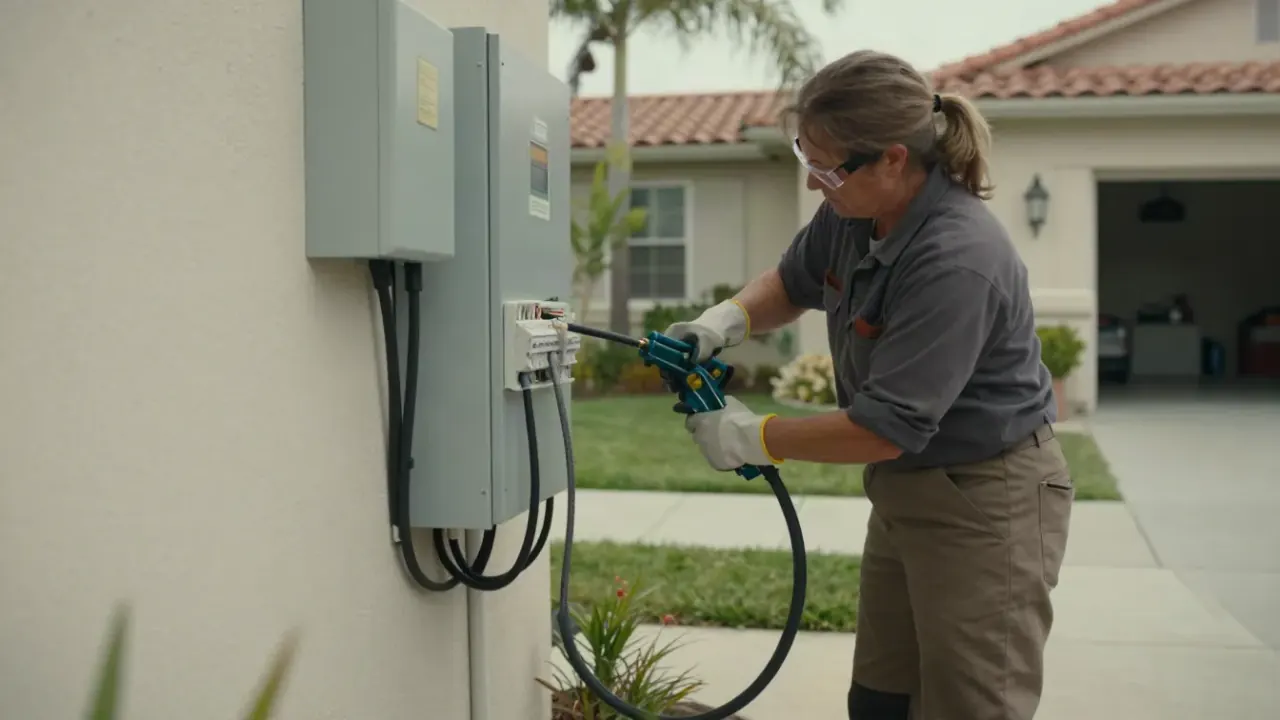
You call (310) 294-5464 and describe your panel, your car, and where you want the charger. We ask for a photo of your electrical panel and the garage wall. In 10 to 15 minutes we can usually tell you whether you need a subpanel or a simple dedicated circuit.
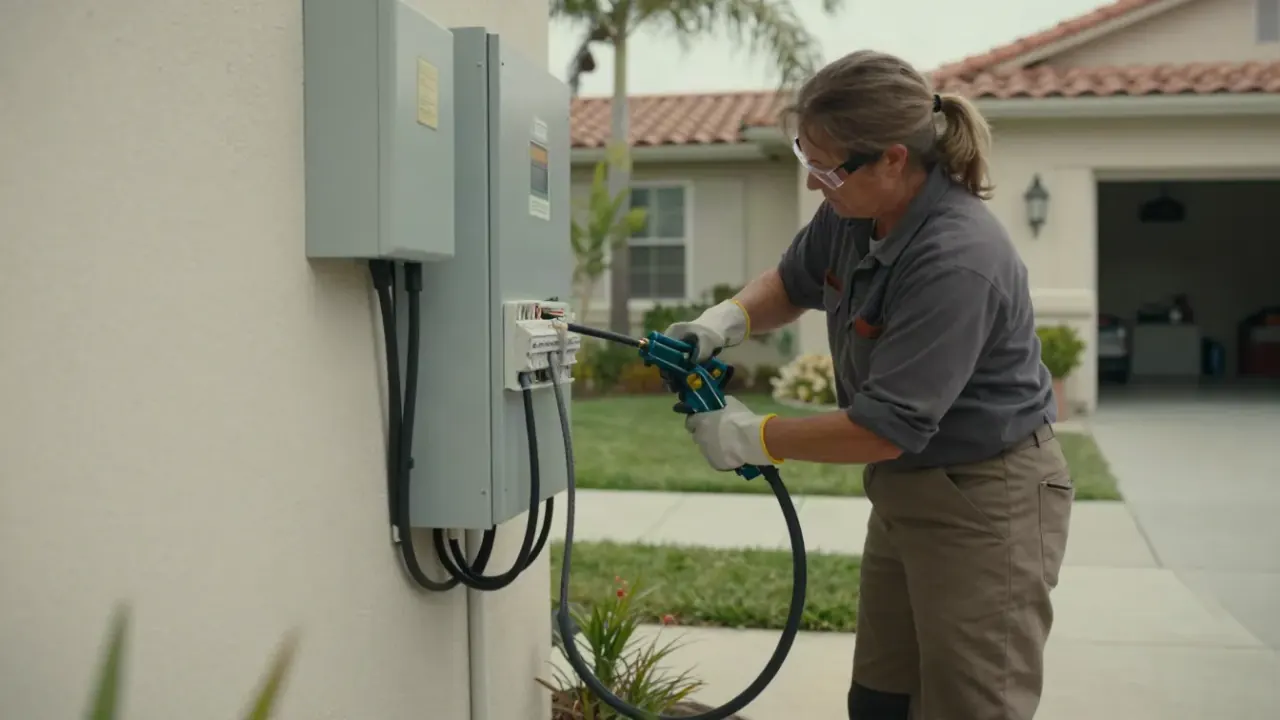
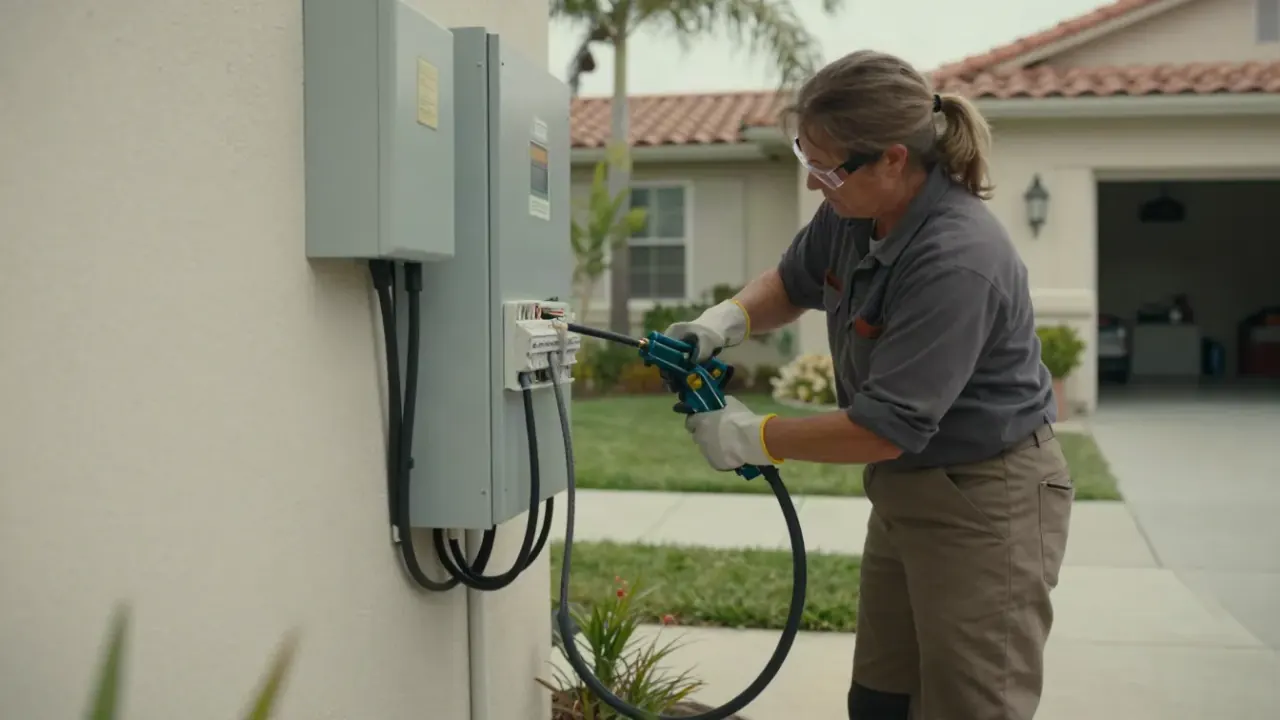
We arrive, open the panel, and run a load calculation under NEC Article 220. We check available amperage, breaker spacing, and wire path. You get a written scope and a flat price before we touch a screwdriver. No surprises, no hourly meter.
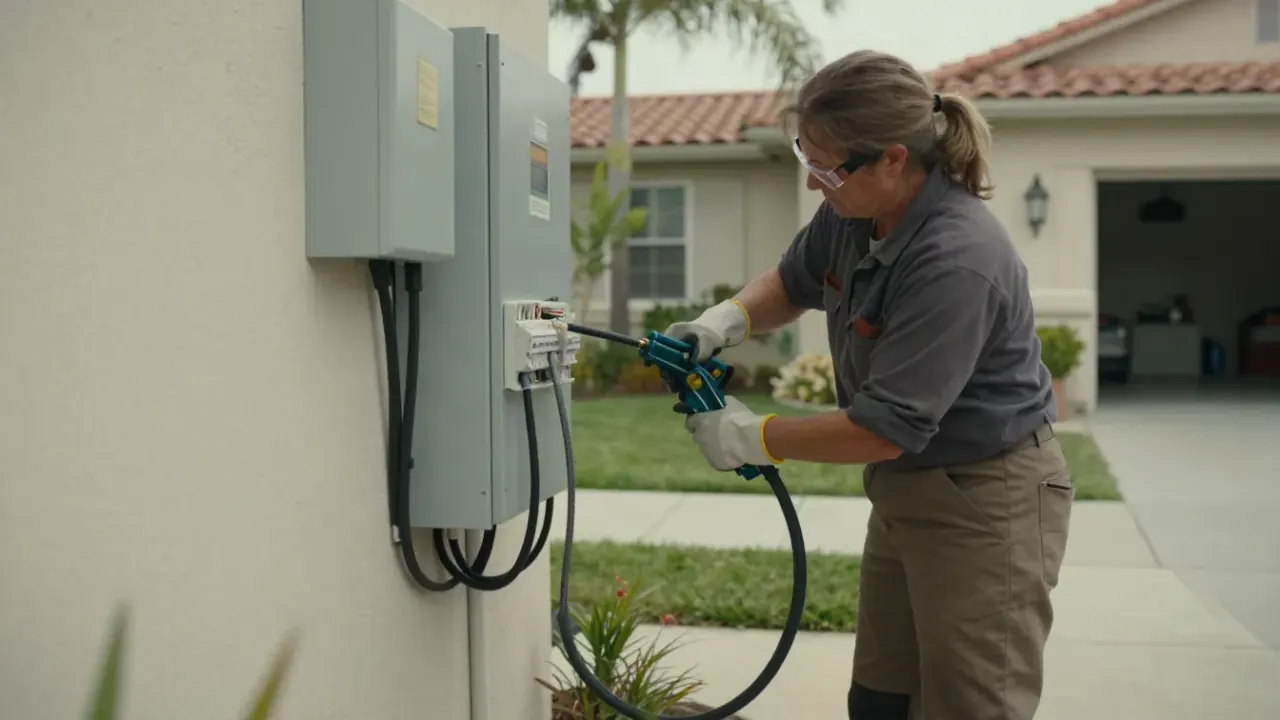
We file the electrical permit with the city and schedule the install, usually within 3 to 7 days. If you want a Tesla Wall Connector or a NEMA 14-50 outlet, we confirm the exact model and amperage setting so the breaker and wire match.
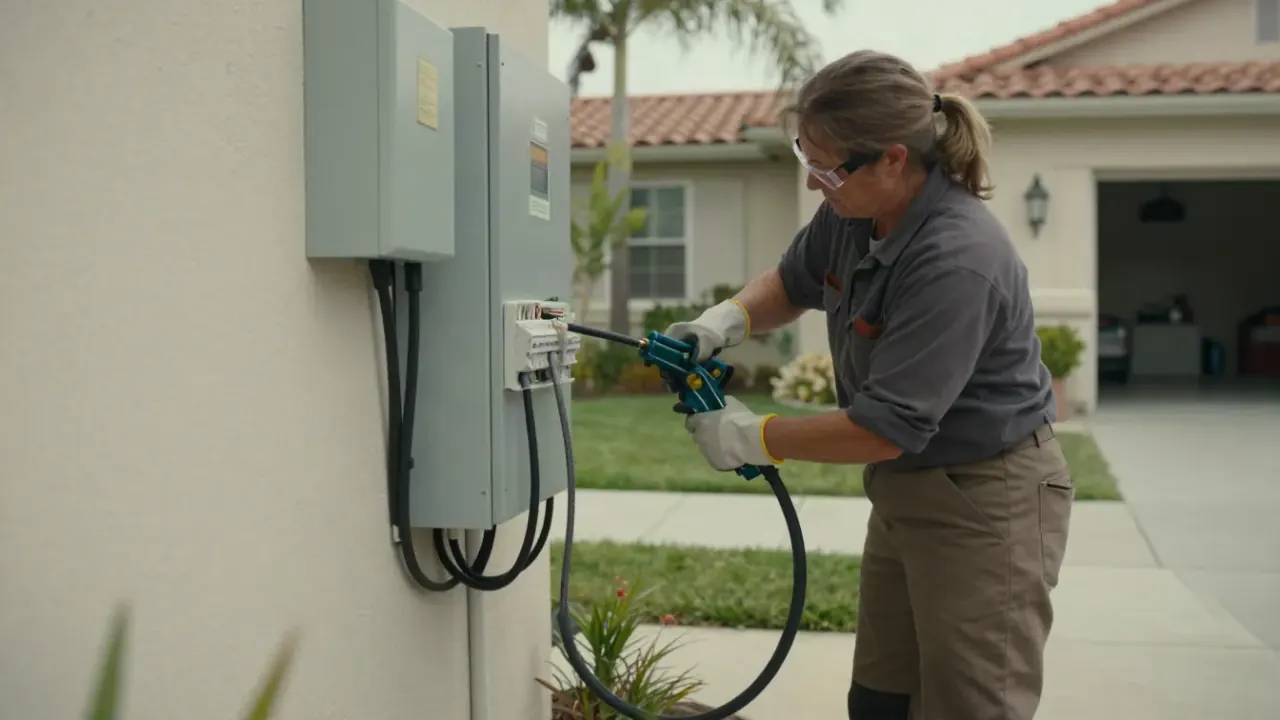
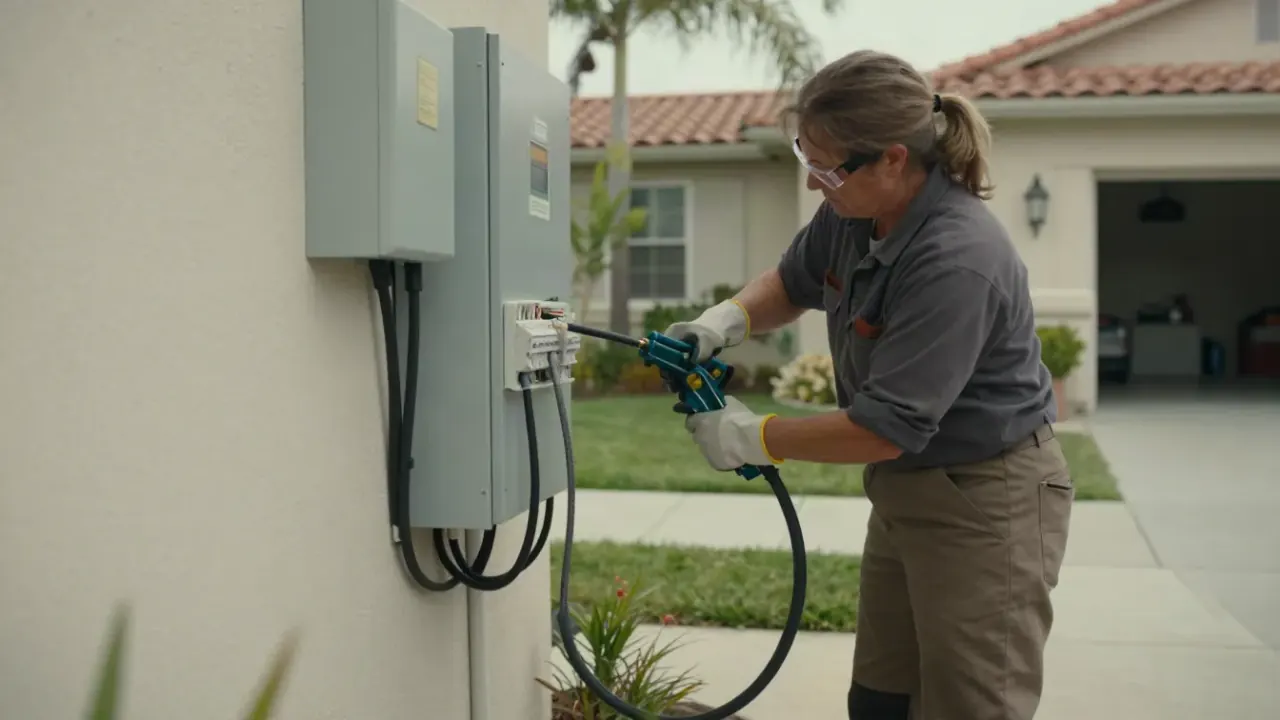
A typical install takes 3 to 6 hours. We run conduit, pull 6 AWG or 8 AWG copper wire, mount the charger bracket, torque every lug to spec, and label the breaker. Floors get drop cloths, and we vacuum the work area before we leave.
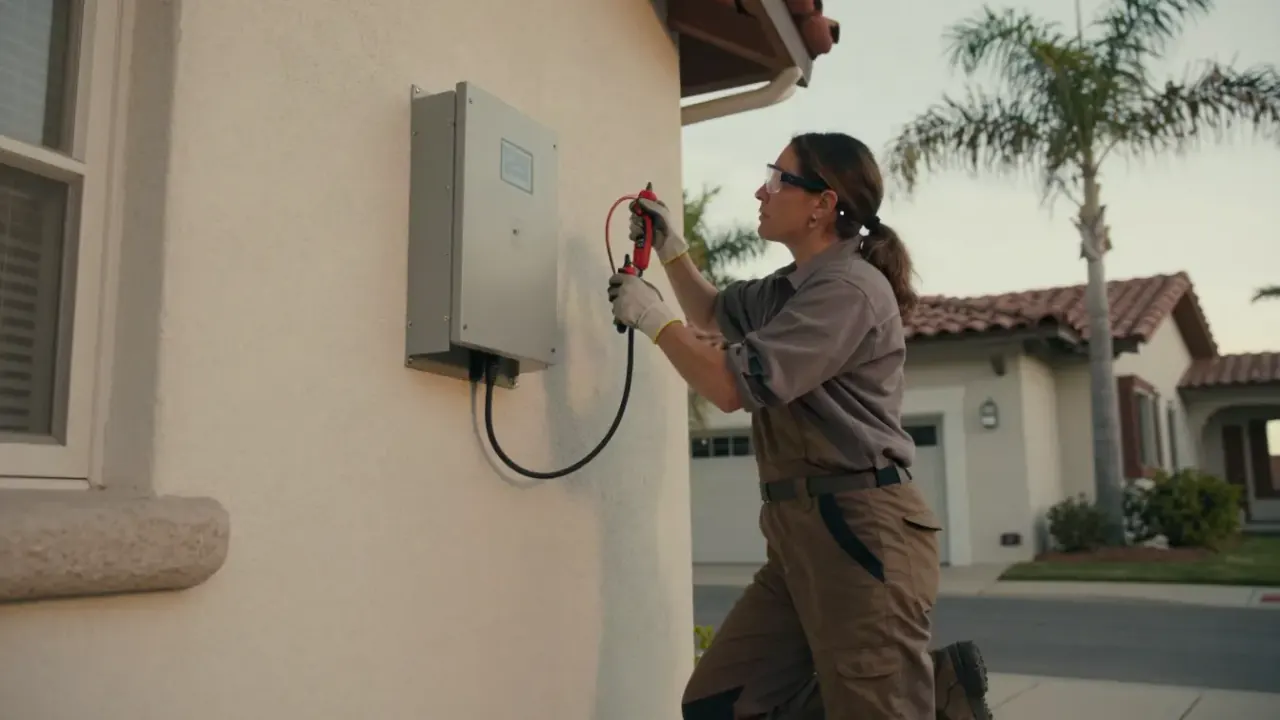
We power up, verify voltage with a multimeter, check for ground fault or GFCI tripping, and confirm the charger communicates with your vehicle. You get a walkthrough of the app, the amperage setting, and the inspection paperwork. Then you plug in.
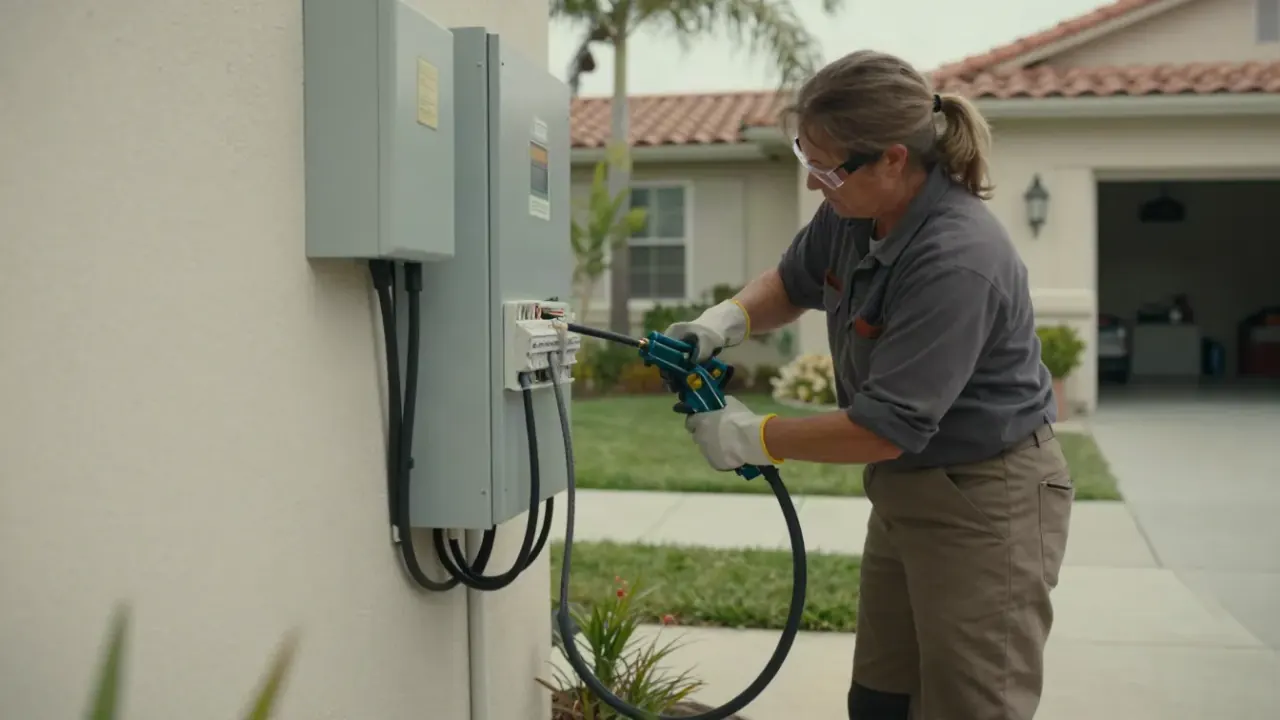
Used to tighten every breaker and charger terminal to manufacturer spec. Loose wiring connections are the leading cause of overheating chargers and nuisance tripping.
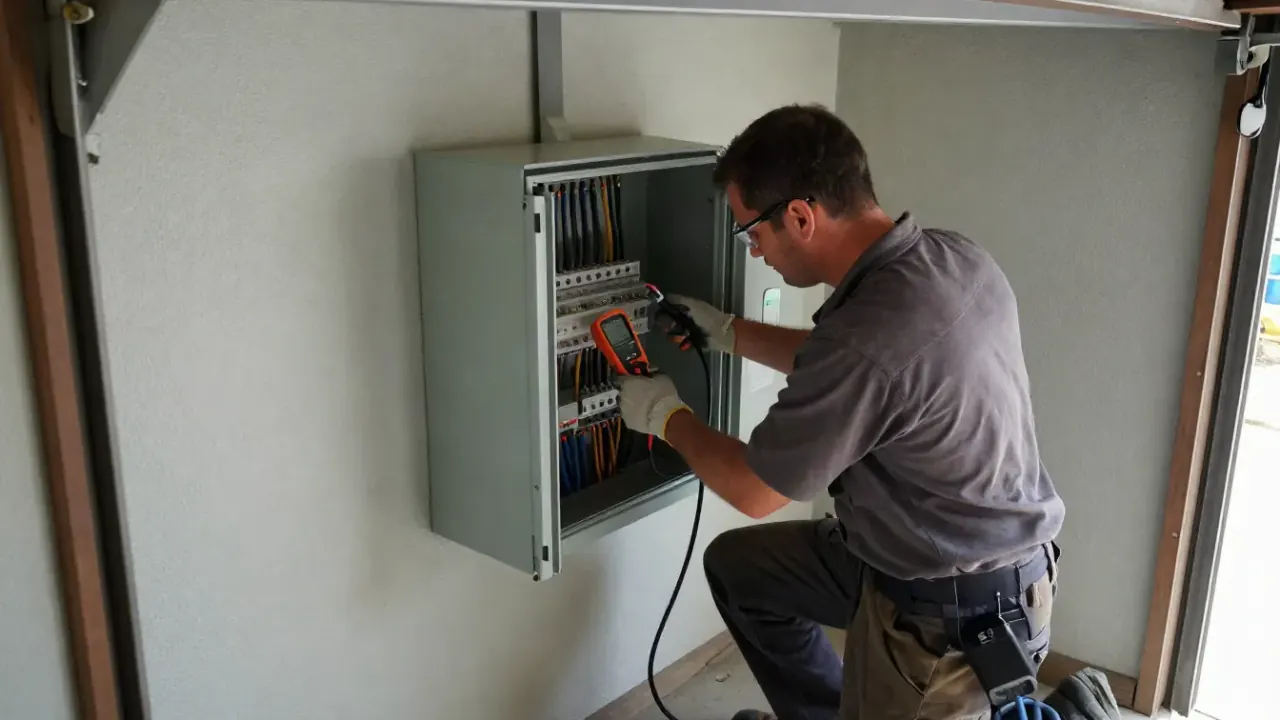
Verifies line voltage, checks for voltage drop under load, and confirms the charger is receiving the correct 240V before we hand it over.
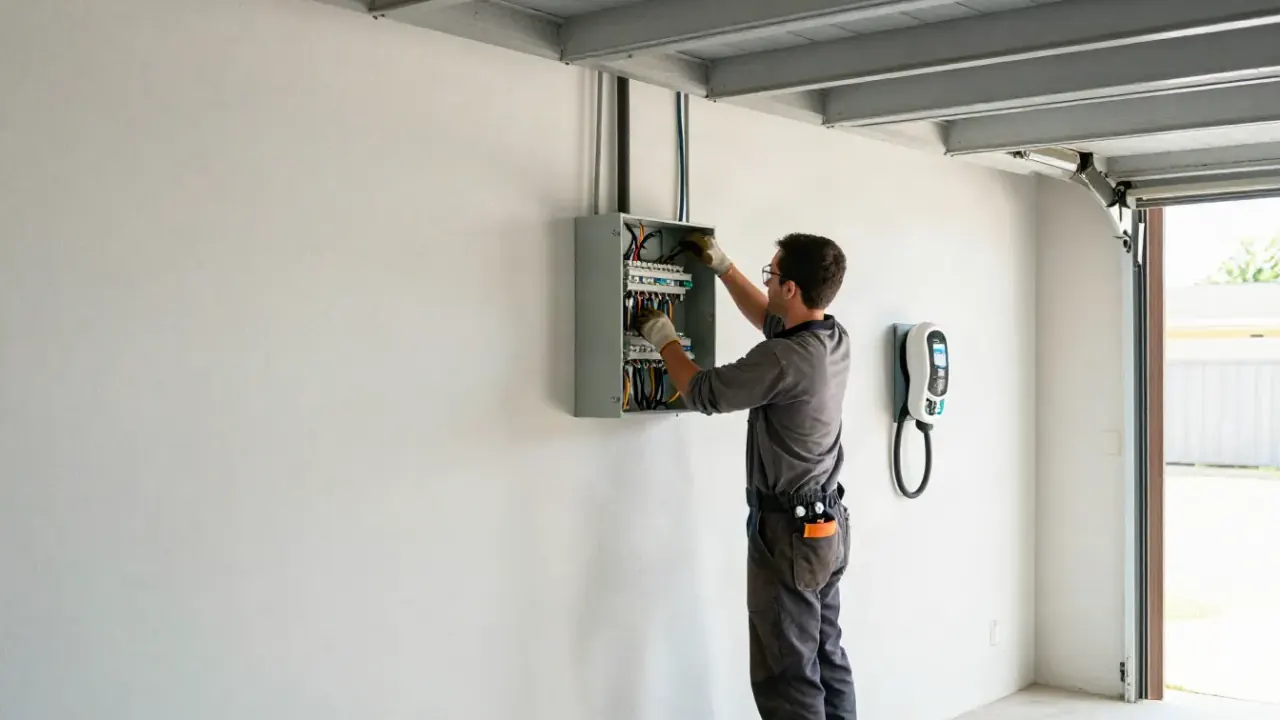
Strips 6 AWG and 8 AWG copper cleanly and secures the cable at the charger and panel entries so conductors are not stressed.
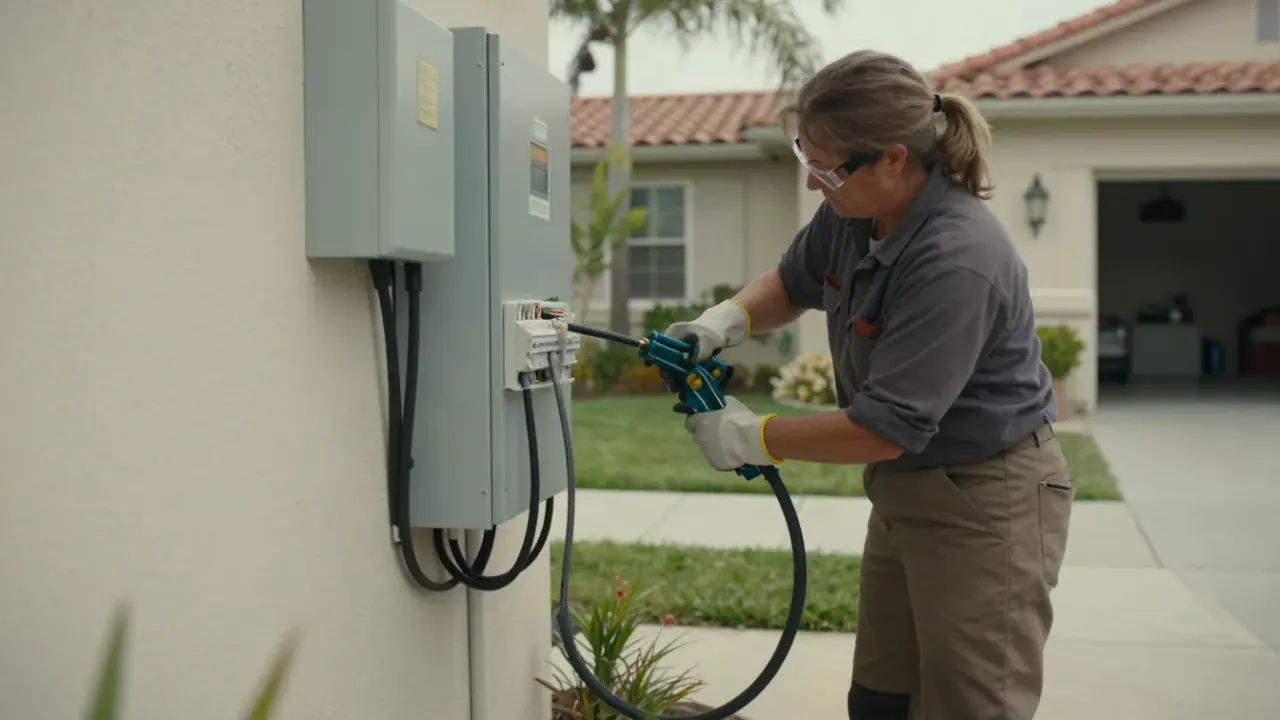
Protects exposed wire runs on exterior walls, in garages, and along fence lines. Required in most Redondo Beach installs where the run leaves the panel area.
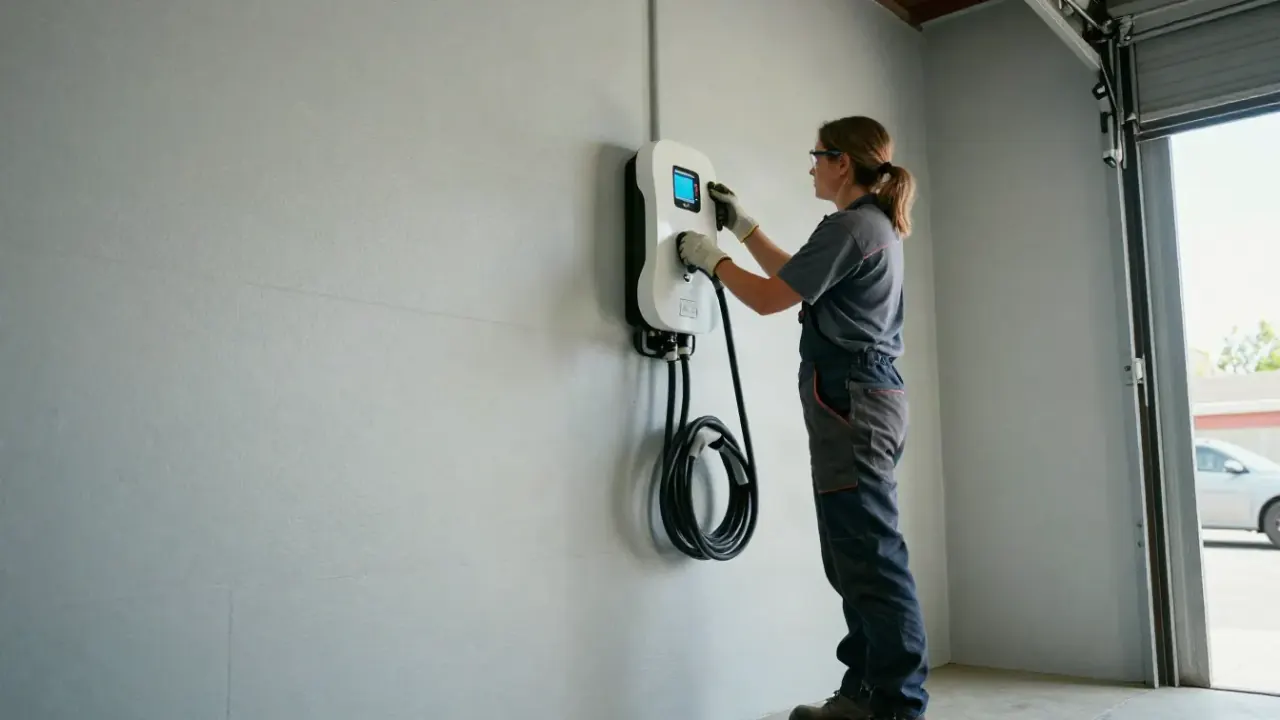
Installed where code requires ground fault protection for the EV circuit. We test it under load to confirm it does not nuisance trip during charging.
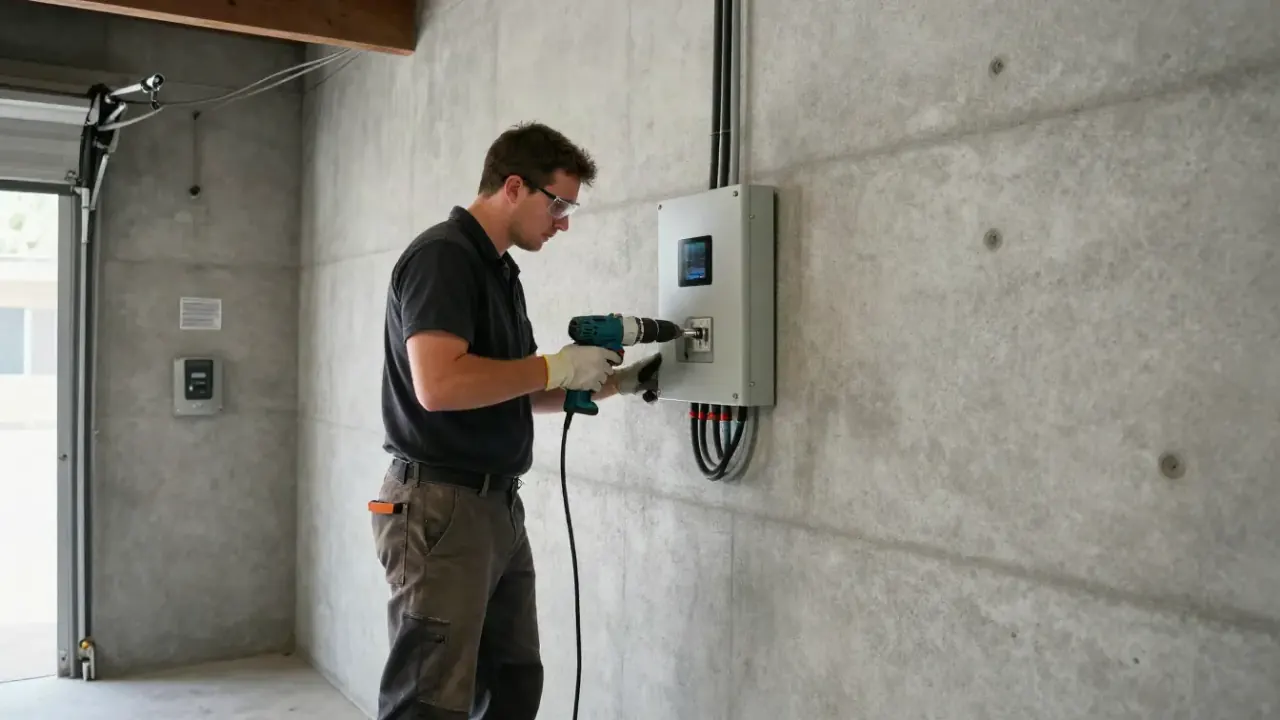
Mounts the unit level and secure, and gives the cable a proper resting point so the connector is not left hanging on the floor.
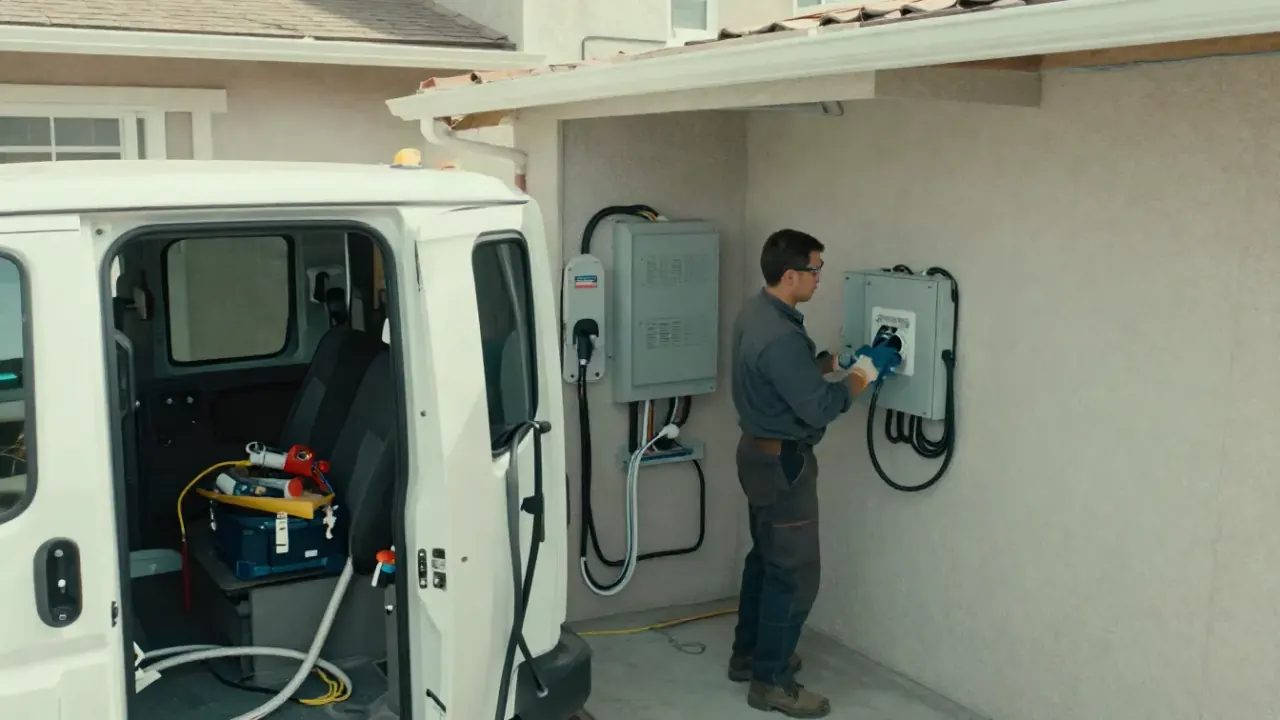
We calculate your home's existing electrical load before adding an EV circuit. This tells us whether your panel has capacity for a 40 or 48-amp charger, or whether a subpanel is the smarter path.
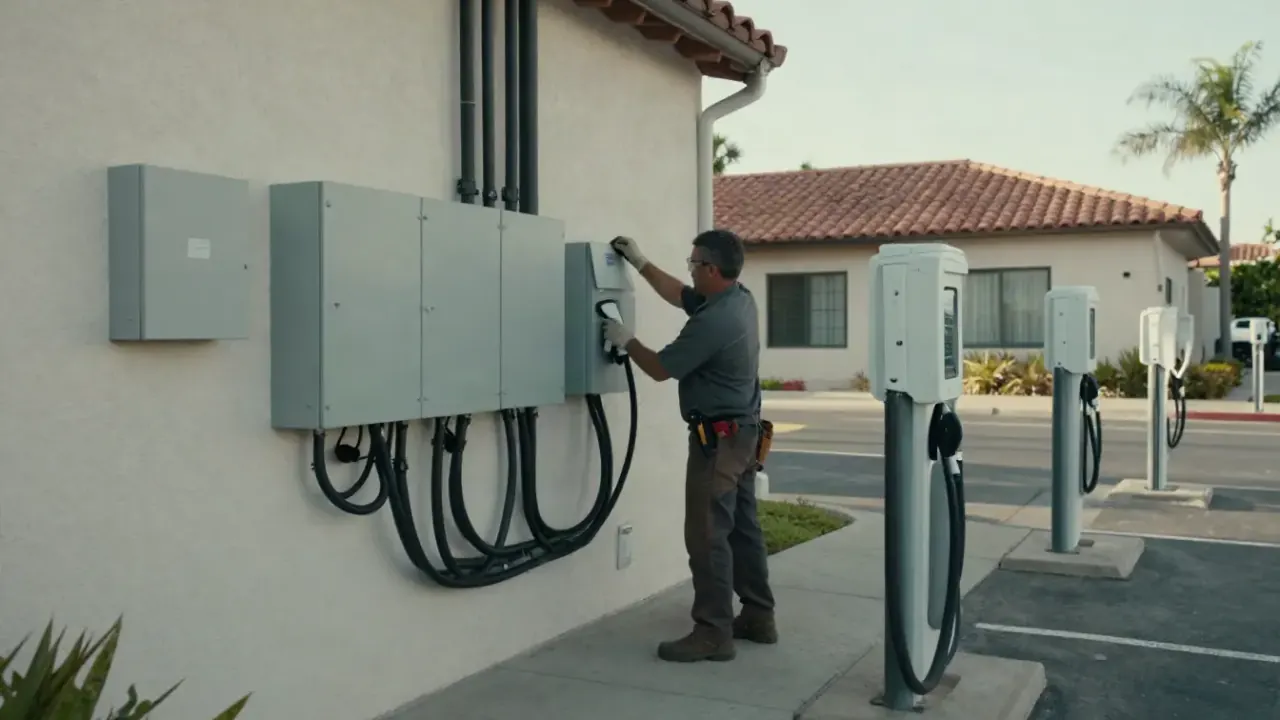
EV supply equipment has its own code section. We follow it for conductor sizing, overcurrent protection, GFCI requirements, and disconnect placement so your install passes inspection the first time.
We install a dedicated 240V circuit and a Level 2 charger sized to your panel, usually a 40 or 48-amp setup. If you already have the charger, we mount and wire it. If not, we help you pick one that matches your car and panel. You wake up to a full battery every morning and stop planning your week around public charging stops.
We run a load calculation, then install a subpanel in the garage and feed a hardwired charger from it. Conduit runs along the fence or under the eave, and we pull the permit before any trenching or drilling. A clean, permitted install that adds resale value and does not require a full service upgrade.
We work with your HOA, install a charger on a dedicated circuit or submeter, and document the install for the board. We handle the permit and coordinate access so the work does not disrupt neighbors. You charge at home in a shared garage with a paper trail your HOA accepts and your neighbors can replicate.
We assess whether your panel can support two EV circuits and install power-sharing or a second dedicated circuit. If capacity is tight, we set the chargers to share amperage so both cars charge overnight without tripping. Two cars, one panel, no tripped breakers, and no need to upgrade your electrical service.
Redondo Beach housing stock ranges from 1920s bungalows in South Redondo to newer townhomes in Villas North, and the electrical panels reflect that. Many older homes still run 100-amp service with a full breaker panel, so the load calculation matters more here than in newer construction. Coastal humidity near Riviera Village and The Avenues means we pay extra attention to exterior conduit, junction box sealing, and corrosion on mounting hardware. We also deal with detached garages, which often need a subpanel and a longer conduit run. If you are comparing 240V home EV charger installation Redondo Beach CA options, ask whether the quote includes a load calculation and a permit. Ours does. We also know the local inspection rhythm, so we schedule the permit and the install so you are not waiting weeks for a sign-off. For the best Level 2 EV charger installation Redondo Beach CA homeowners can get, the details are in the panel work, not the charger box.
A North Redondo homeowner with a 100-amp panel was told by another shop that a full service upgrade was required before any EV charger could go in. The quote was over $6,000.
We ran a NEC Article 220 load calculation and found capacity for a 40-amp circuit. We installed a Tesla Wall Connector on a 50-amp breaker with 6 AWG copper. Total was $1,150, and the car charges at 30 miles per hour.
Keep the breaker labeled, check the charger cable for wear once a year, and leave the amperage setting at 40 amps unless your electrician adjusts it.
A South Redondo home had a detached garage 65 feet from the main panel and no 240V power out there. The homeowner was running an extension cord to a 120V outlet and getting 4 miles of range per hour.
We installed a 100-amp subpanel in the garage, ran conduit along the fence line, and hardwired a ChargePoint Home Flex on a 50-amp circuit. Install took one day, and the car now adds 37 miles per hour.
Inspect the exterior conduit and junction box each spring for corrosion, and keep the garage subpanel cover closed and clear of storage.
A Riviera Village condo owner wanted charging in a shared garage but the HOA had no process for it. The board was worried about who pays for the electricity and whether the install was permitted.
We worked with the board, installed a Wallbox Pulsar Plus on a dedicated circuit with a submeter, and pulled the electrical permit. The inspector signed off first time, and the owner now charges at 32 miles per hour.
Check the submeter reading monthly against your utility bill, and keep the charger firmware updated through the Wallbox app for the best charging performance.
Most charger problems are electrical problems in disguise. Here is what we see on service calls across the South Bay and how we fix it.
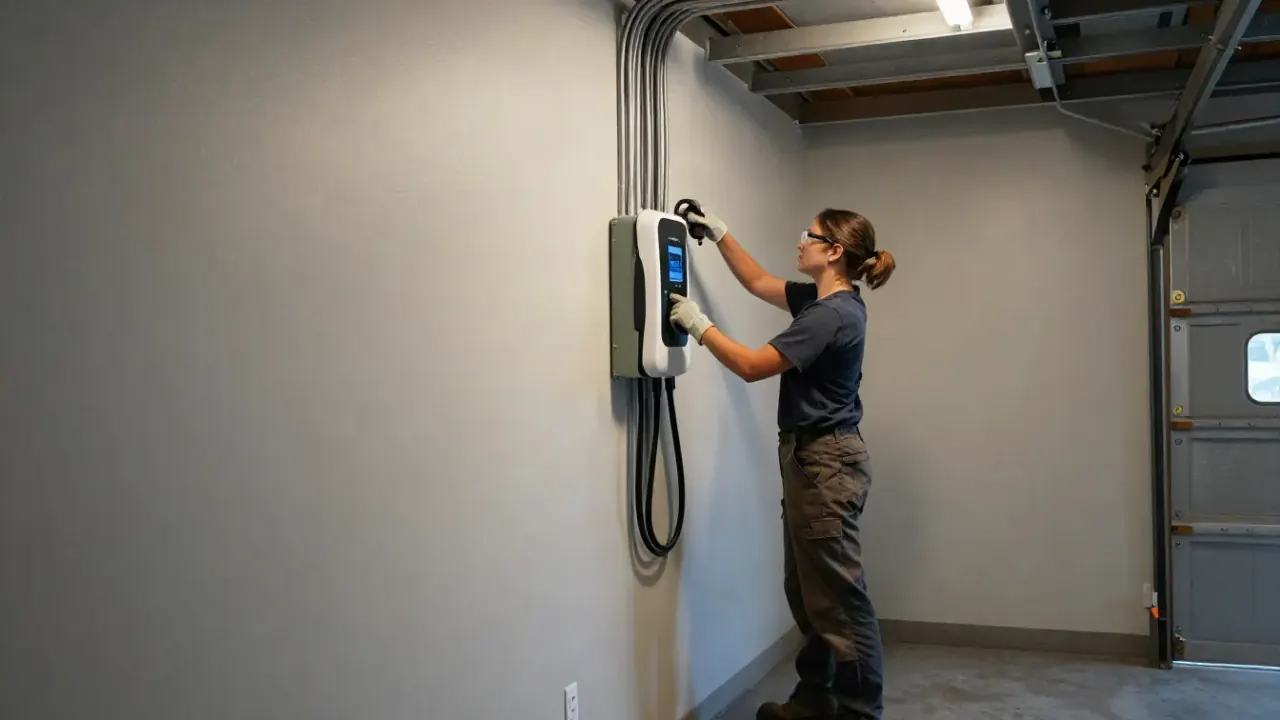
We test the circuit under load, check for voltage drop and loose wiring connections, and verify the breaker is sized to the charger's continuous amperage. If the panel is overloaded, we install a subpanel or move the circuit to a breaker with adequate capacity. A breaker that trips mid-charge means your car is not ready in the morning, and repeated tripping can damage the charger's internal components over time.
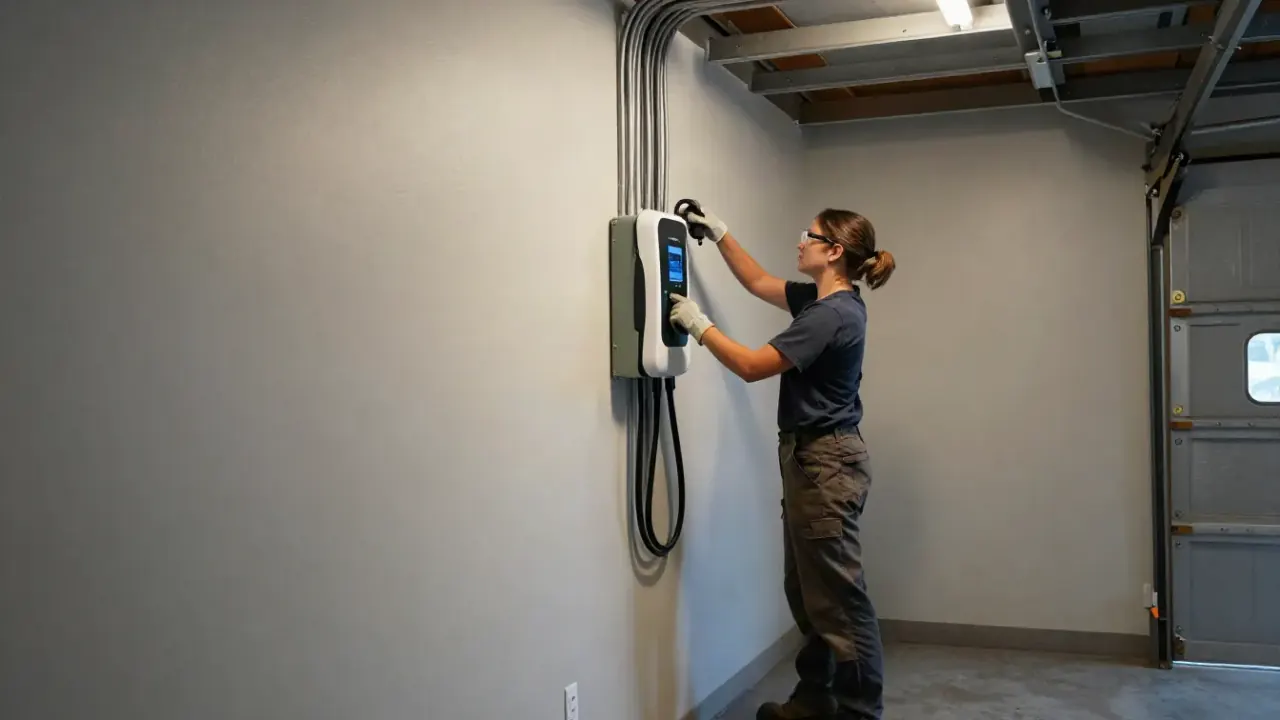
We run a load calculation first. Many 100-amp panels in Redondo Beach have enough capacity for a 40-amp EV circuit once the real load is calculated. When they do not, we install a 100-amp subpanel for a fraction of a service upgrade. A full panel stops the install cold. Without a plan, homeowners either pay for a service upgrade they may not need or give up on home charging entirely.
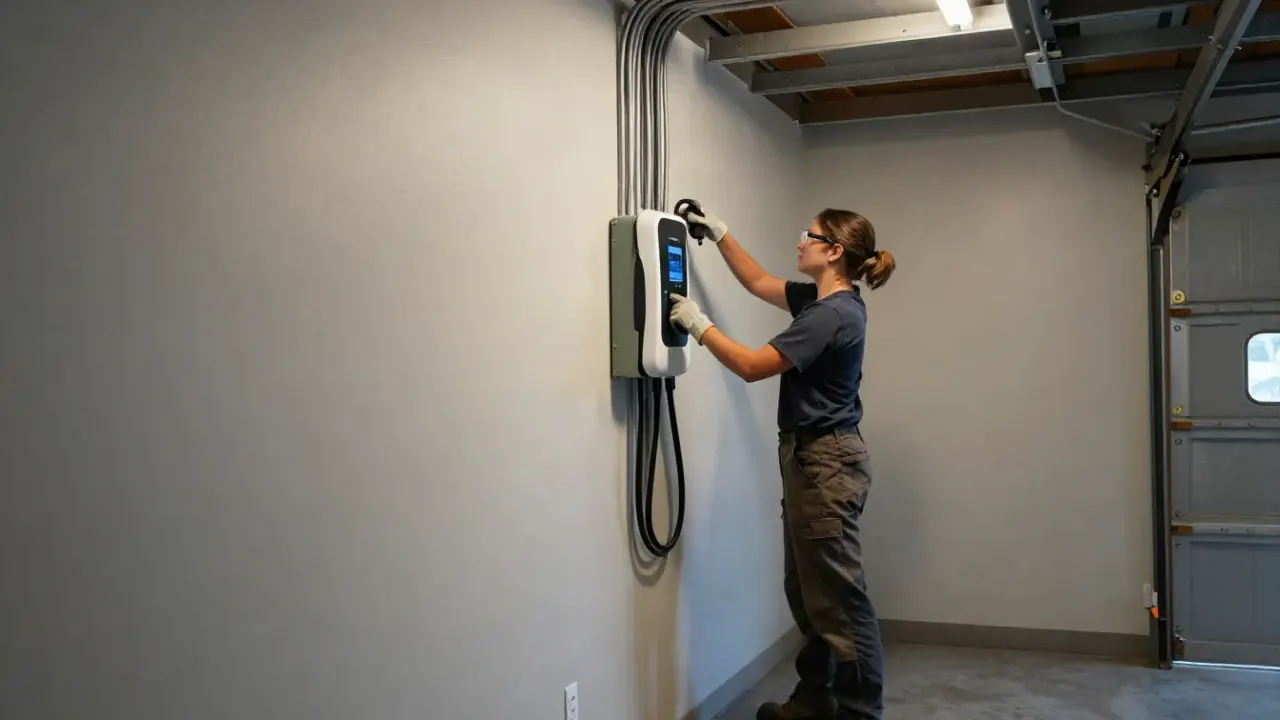
We check the ground fault circuit, verify line and neutral terminations, and test the pilot signal. If the unit is faulty, we confirm the diagnosis and help you with the manufacturer warranty before you buy a replacement. The car plugs in, the lights come on, and nothing happens. This is usually a ground fault, a firmware issue, or a wiring error at the terminals.
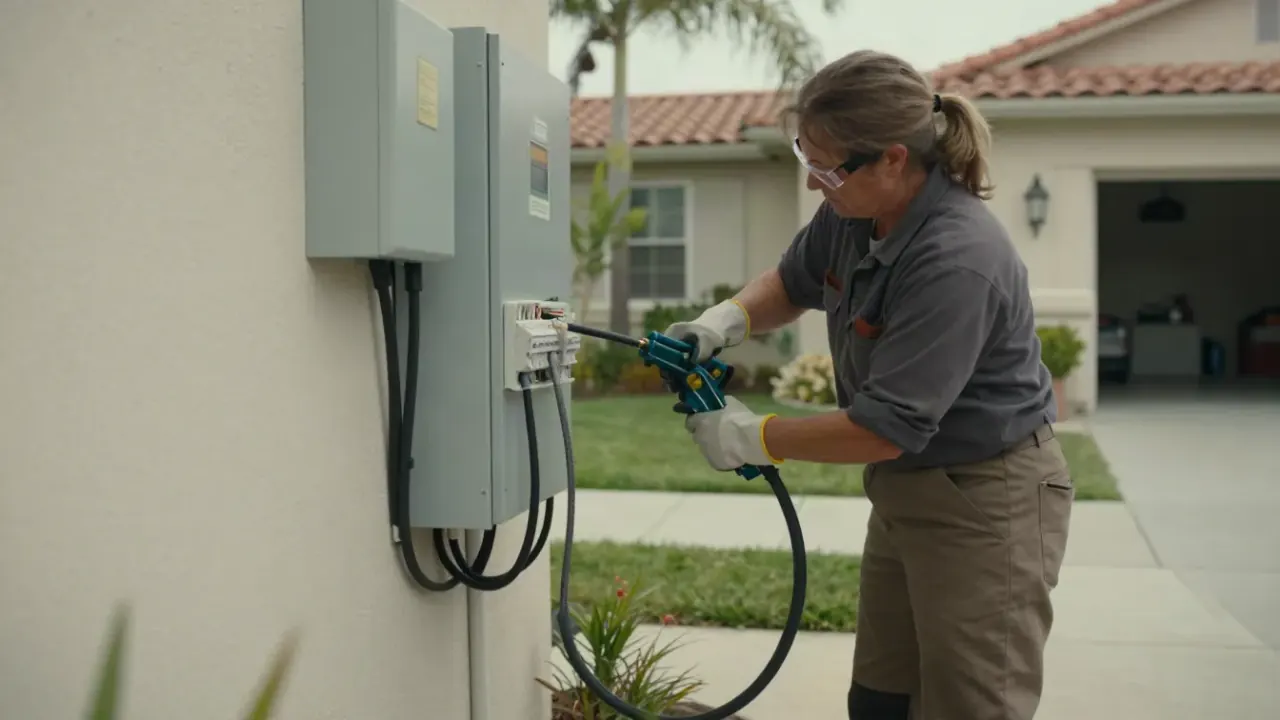
We inspect terminations, re-torque lugs to spec, and verify wire gauge against the charger's amperage. If you have a standard dryer outlet, we replace it with a heavy-duty NEMA 14-50 receptacle rated for continuous duty. A charger or plug that runs hot is a fire risk. It usually points to undersized wire, a loose termination, or a receptacle not rated for continuous EV load.
A 40-amp Level 2 EV charger installation Redondo Beach adds 25 to 40 miles of range per hour. Plug in at 9 p.m. and your Tesla, Ioniq, or Leaf is at 100% by 6 a.m. No more hunting for public chargers on Artesia or PCH.
Charging at home on a 240V circuit costs roughly 4 to 6 cents per mile in Redondo Beach, versus 15 to 25 cents per mile at a DC fast charger. Over 12,000 miles a year, that is $1,000 or more back in your pocket, and you can pair it with a time-of-use rate from SCE.
We pull the electrical permit, size the 240V circuit breaker to NEC Article 625, and leave you with an inspection sign-off. Unpermitted charger work can void homeowner insurance and complicate a future home sale in Los Angeles County.
We install Tesla Wall Connector, ChargePoint Home Flex, Enel X JuiceBox, Wallbox, Emporia, ClipperCreek, Siemens, Schneider Electric, and Leviton units. If you already bought a charger, we will mount it. If you have not, we will spec the right amperage for your panel.
Typical 2026 pricing in Redondo Beach runs $650 to $1,400 for a standard Level 2 Home Charger Installation Redondo Beach CA job, and $1,500 to $2,400 when a subpanel or long conduit run is involved. The charger itself is usually $400 to $800 if you have not bought one yet. We quote flat rates after an on-site load calculation, so the number you hear is the number you pay. No hourly billing, no surprise charges for wire or fittings.
What your estimate is based on
$650 - $2,400 depending on panel capacity, wire run, and whether a subpanel is needed A permitted, code-correct install protects your home, your insurance, and your resale value. The labor is a one-time cost; the fuel savings run every month for as long as you own the car.
Clear records you can keep and share.
Flat price before work begins
Signed-off inspection for your records
Amperage, schedule, and monitoring setup
A Level 2 charger is only as good as the circuit behind it. The charger box matters less than the wire, breaker, and panel capacity feeding it.
We calculate your existing load before quoting. That number decides whether you need a subpanel or can add a breaker today.
EV charging runs at full amperage for hours. Wire and breakers are sized at 125% of the charger's rating, not the nameplate alone.
An inspected install protects your insurance and resale. We file the permit and meet the inspector so the sign-off is on record.
Outside these areas? Call and ask, we may still cover you. (310) 294-5464
Most jobs run $650 to $1,400 for a straightforward install, and $1,500 to $2,400 if you need a subpanel or a long conduit run. The price depends on panel capacity, wire distance from panel to charger, and whether the wall is finished or open. We give you a flat written price after a 15-minute on-site load calculation, so there is no hourly billing and no surprise add-ons.
A standard install takes 3 to 6 hours on site. If we need to add a subpanel, plan for a full day, roughly 6 to 9 hours. Permit approval usually adds 3 to 7 days before we can schedule. Once we start, most Redondo Beach customers are charging the same evening, and we walk you through the app and amperage setting before we leave.
Yes. A Level 2 charger needs a 240-volt circuit, either hardwired or through a NEMA 14-50 outlet. A standard 120V garage outlet only adds 3 to 5 miles of range per hour. A 240V home EV charger installation near me Redondo Beach setup delivers 25 to 40 miles per hour, which is what makes overnight charging practical. We size the breaker and wire to your charger's amperage.
We do. Redondo Beach EV Charger Installation covers North Redondo, South Redondo, Riviera Village, The Avenues, El Nido, Golden Hills, and Knob Hill, plus Hermosa Beach, Manhattan Beach, Torrance, and Lawndale. Our electricians hold a CSLB C-10 Electrical License and EVITP Certification. Call (310) 294-5464 and we will schedule an on-site assessment, usually within a few days.
Call (310) 294-5464 and we will schedule an on-site panel assessment, usually within 2 to 3 days. You get a flat written price, permit handling, and a code-correct install backed by a 2-year workmanship warranty.
Call us at (310) 294-5464 or send a note and we will get back to you the same business day. Tell us the car, the charger you want, and where it is going, and we can often give you a ballpark before we drive out. We are in Redondo Beach, California and work Los Angeles County daily.