Written scope
Circuit size, wire gauge, and route in plain terms
A Dedicated 240V Circuit Installation Redondo Beach CA gives your EV a full-speed charge every night instead of a trickle. We run the 240V circuit installation Redondo Beach drivers need for a Level 2 EV charger, Tesla Wall Connector, or NEMA 14-50 outlet, sized to your panel and permitted through the City of Redondo Beach. If you are charging on a 120V cord today, this is the upgrade that ends the wait.
Every job starts with a load calculation and ends with an inspection sign-off. The list below covers what is standard on a Redondo Beach install. Add-ons like subpanels, service upgrades, or long conduit runs are quoted separately after we see the panel.
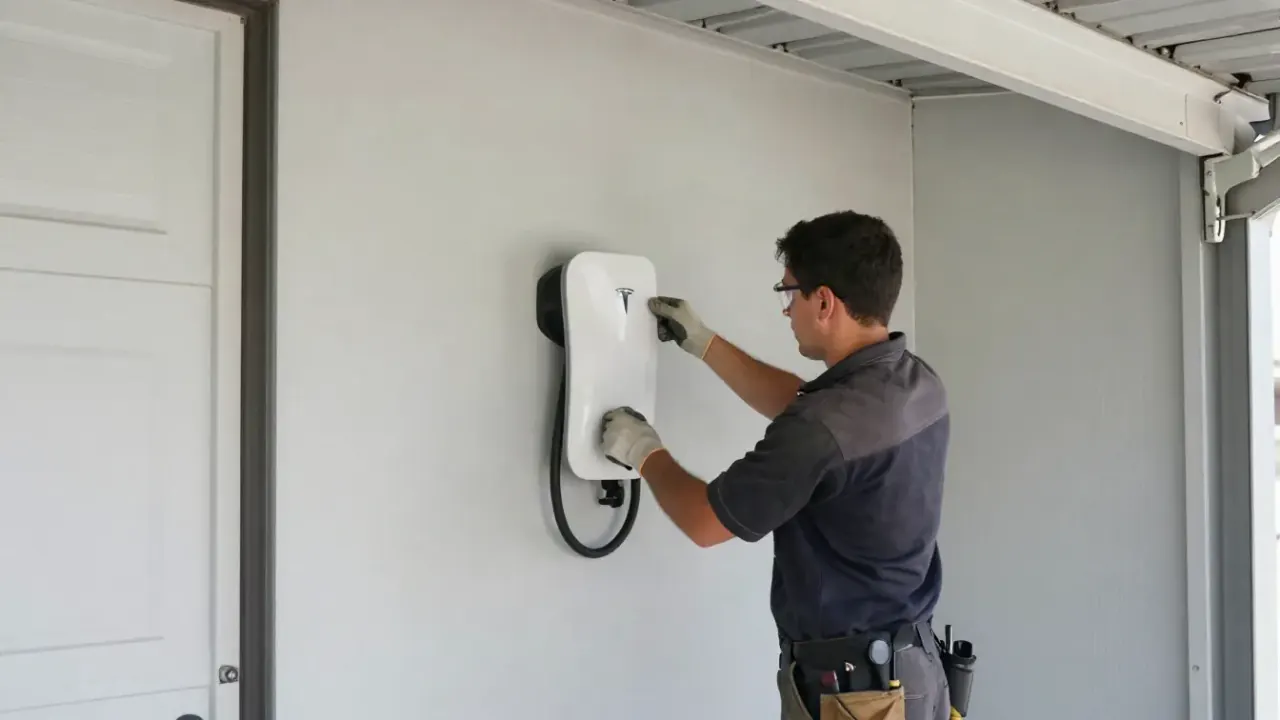
We install dedicated 240V circuits for homeowners and tenants who want to charge overnight in their own garage. We check your panel first, then run the circuit and mount the charger.
We wire 240V circuits for property managers, HOAs, and small businesses that need tenant or employee charging. We plan the load so multiple vehicles can charge without overloading the service.
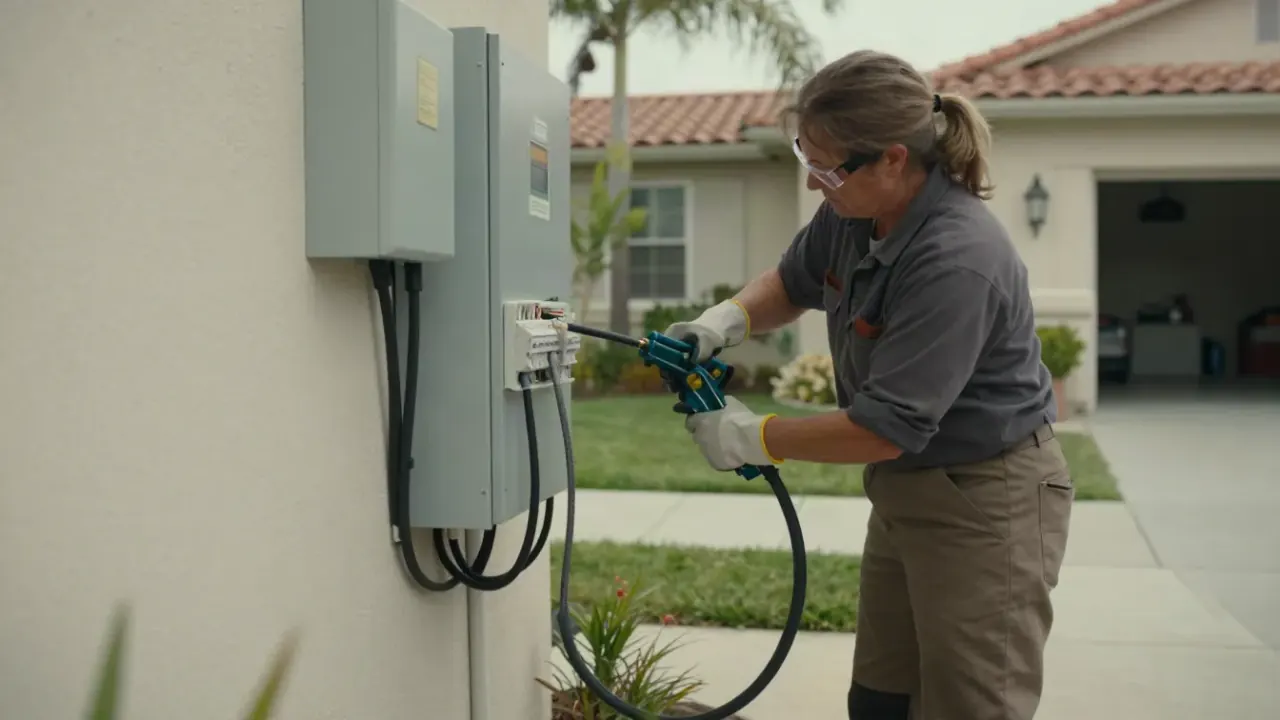
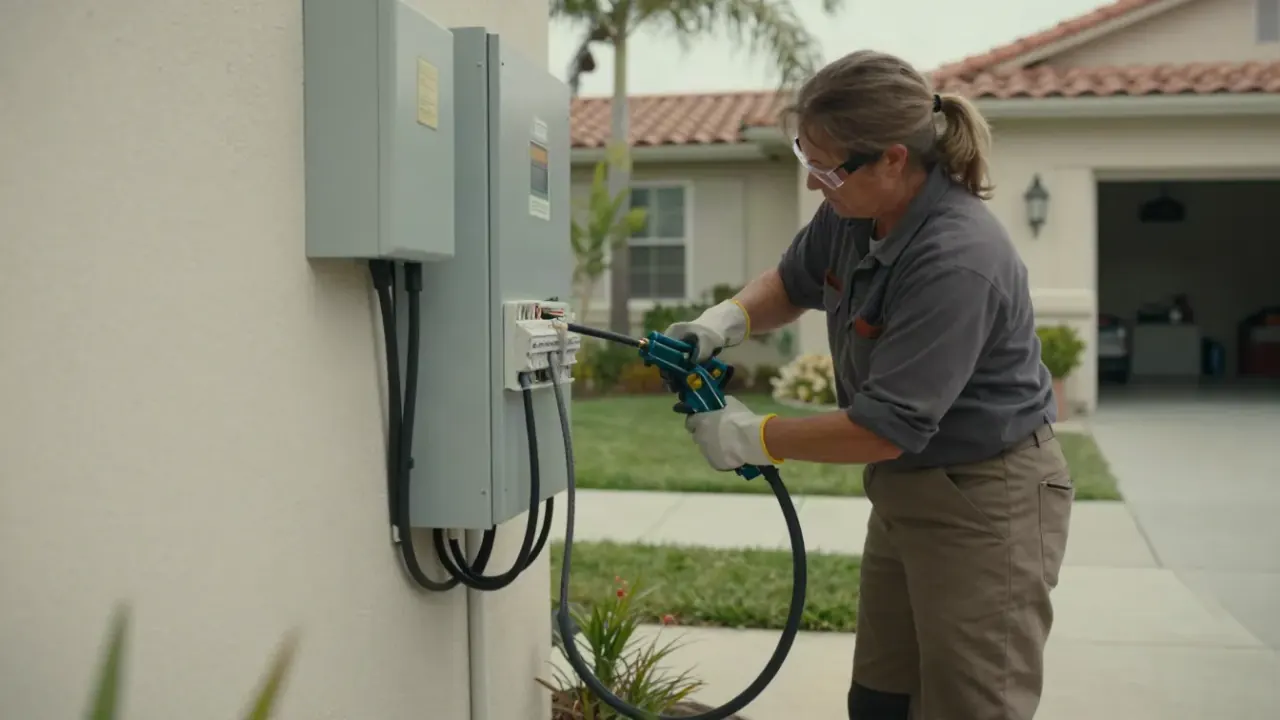
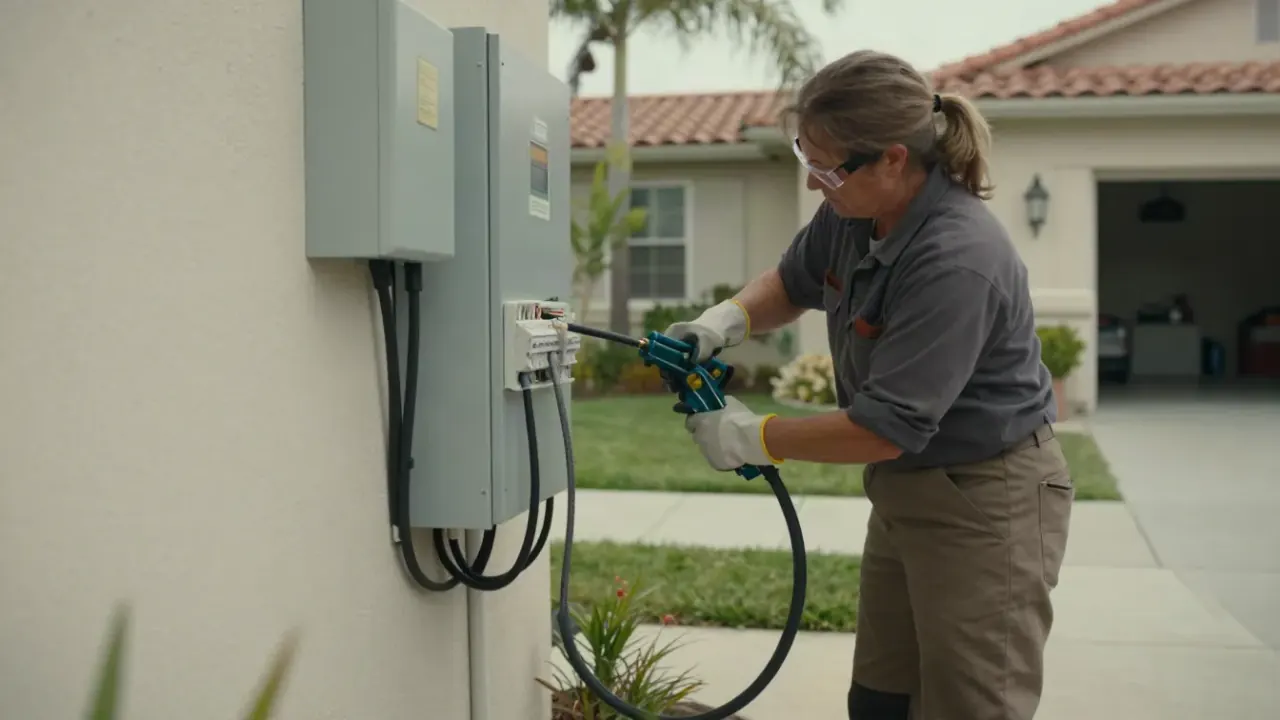
A Dedicated 240V Circuit Installation Redondo Beach CA is a new, single-purpose branch circuit run from your electrical panel to a charging location, usually in the garage or on the driveway side of the house. We pull 6 AWG or 8 AWG copper wire through conduit, land it on a 240V circuit breaker, and terminate it at a NEMA 14-50 outlet or a hardwired Level 2 EV charger. The circuit is dedicated, meaning nothing else shares it, so your charger gets the full amperage it was built for. Most installs land between 40 and 60 amps and add 25 to 40 miles of range per hour.
Redondo Beach homes range from 1920s bungalows near The Avenues to newer townhomes in North Redondo, and the electrical panels vary just as widely. Many garages here were never wired for a 40-amp continuous load, so a load calculation under NEC Article 220 comes first. If your panel is full, we can often make room with a quad breaker or install a subpanel. We also handle the City of Redondo Beach electrical permit and the inspection, which keeps the job legal and your homeowner insurance intact.
A dedicated circuit gives your EV its own full-speed power path, sized to the charger and the panel.
We keep the job predictable: one visit to assess, one to install, one inspection. Here is the sequence from your first call to the first full charge.
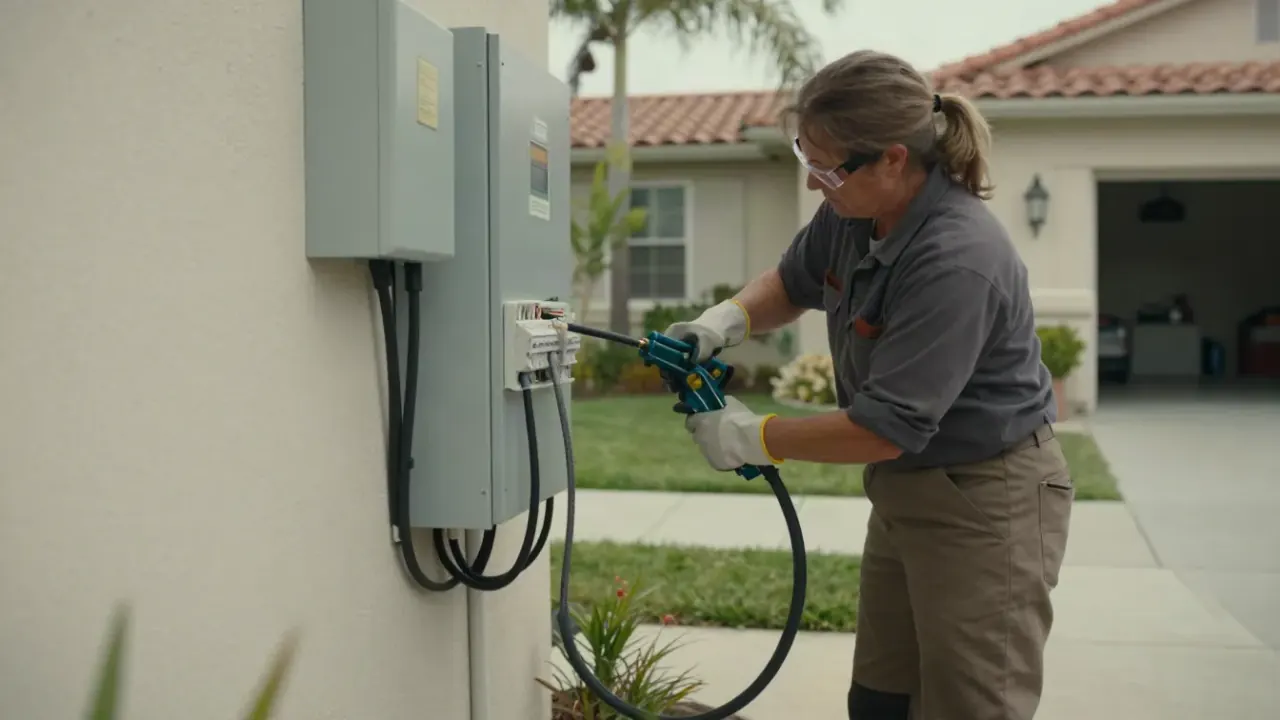
We ask for your panel size, charger model, and garage layout, then give you a realistic range on the spot. If you are unsure what panel you have, text us a photo of the breaker box and the main breaker label. This takes about 10 minutes and saves a wasted trip.
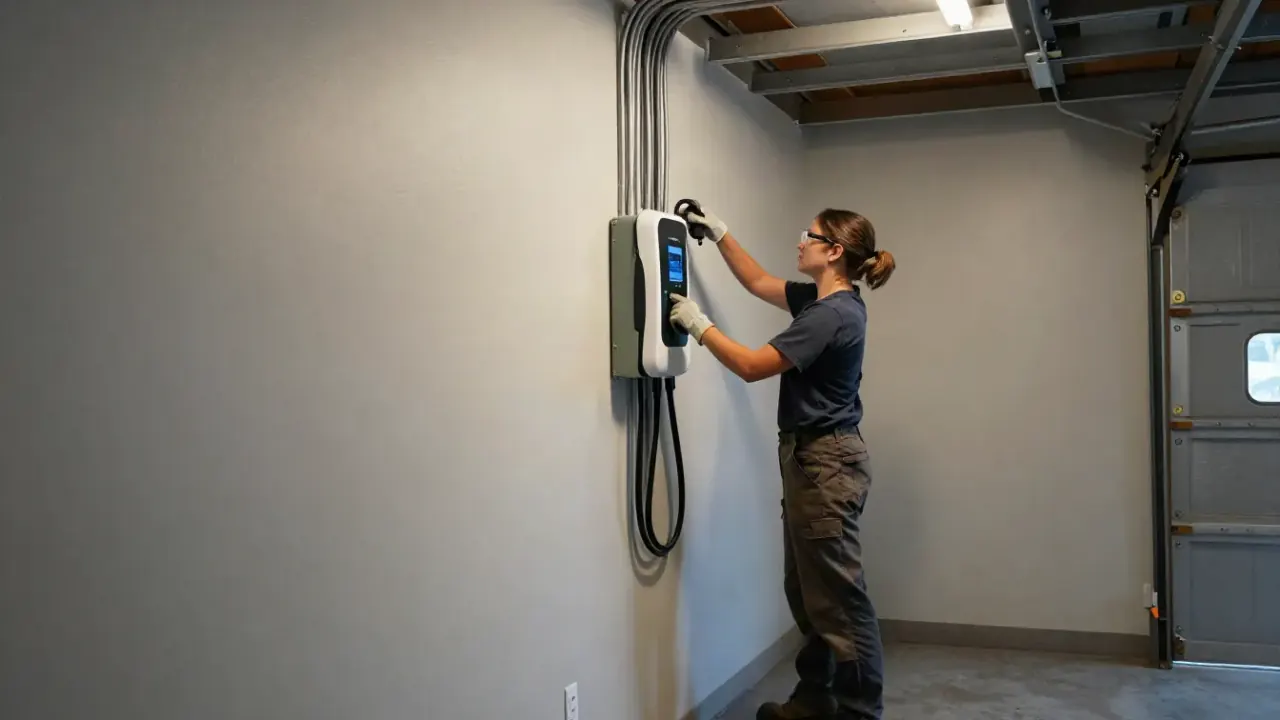
We open the panel, verify the main breaker rating, and run a load calculation per NEC Article 220. We check available capacity, existing GFCI breakers, and panel busbar condition. If a subpanel is the better path, we tell you then, not after the drywall is open.
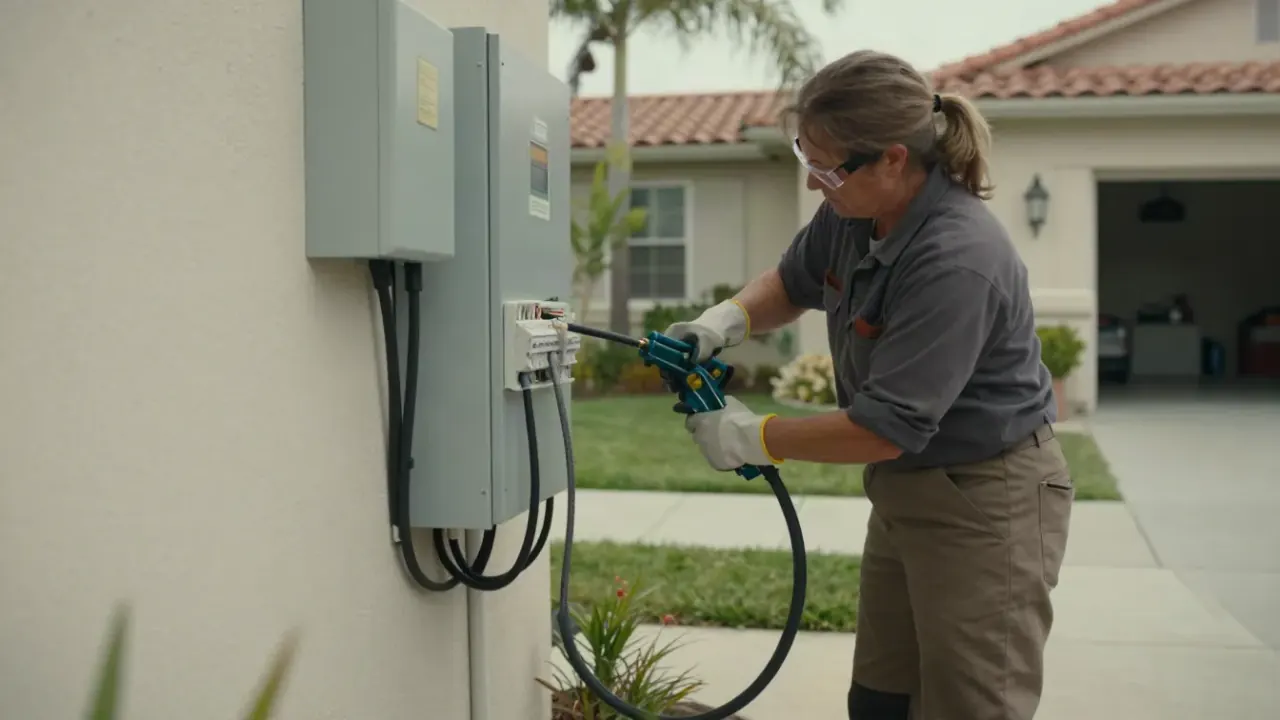
We pull the electrical permit with the City of Redondo Beach and order the parts: 6 AWG or 8 AWG copper, conduit, a junction box, a 240V circuit breaker, and the mounting bracket or holster for your charger. Most material runs are ready within one business day.
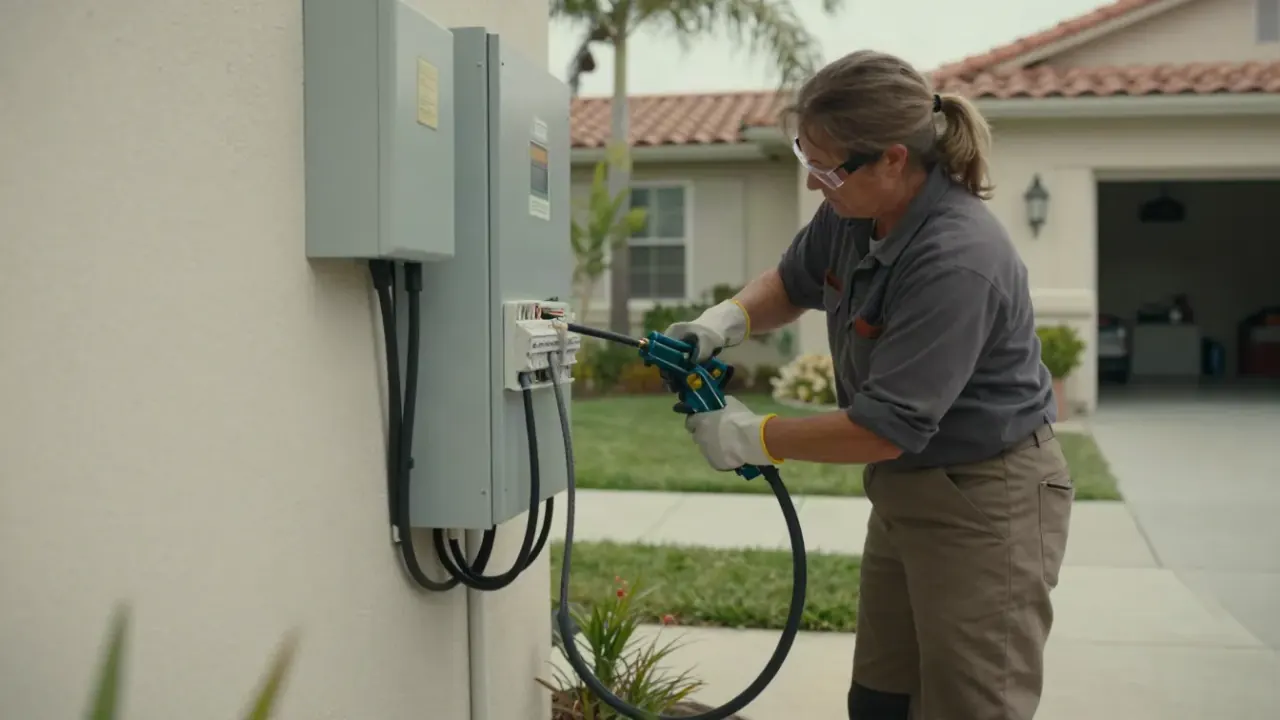
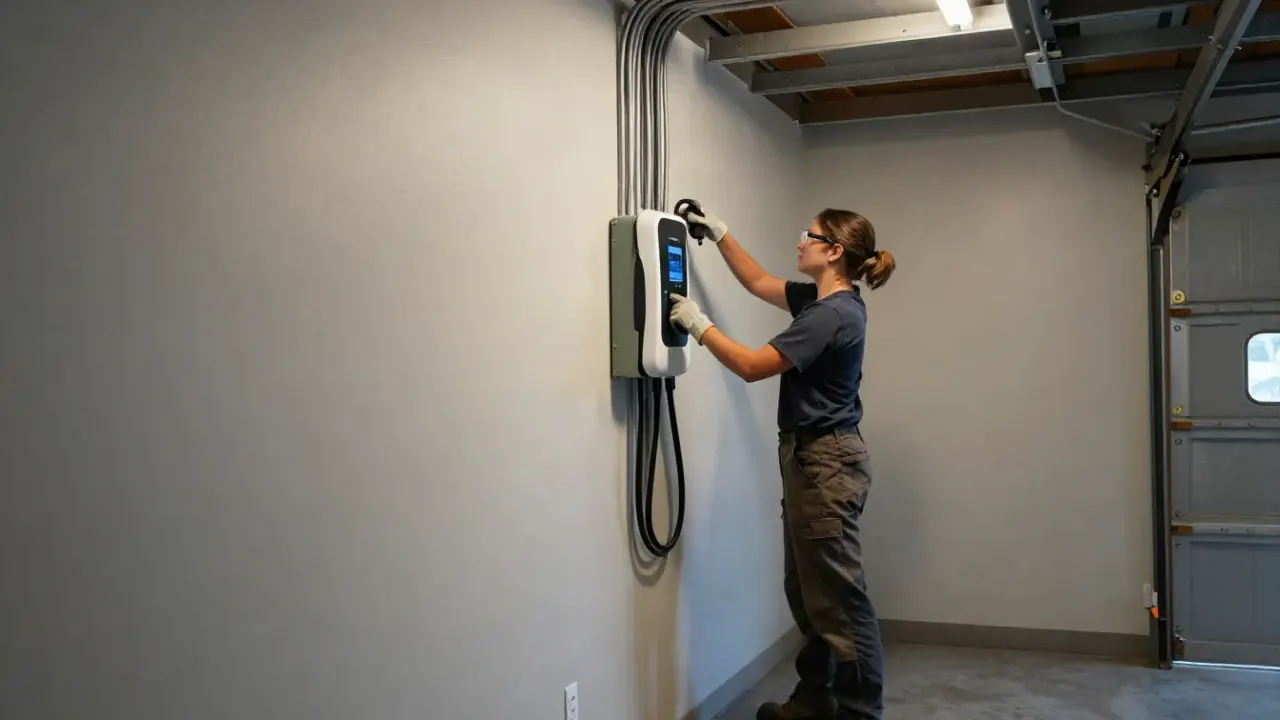
Installation takes two to four hours for a straightforward garage run. We mount the charger or NEMA 14-50 outlet, pull wire through conduit, terminate both ends, and torque every lug to spec. We label the breaker clearly and clean up before we leave.
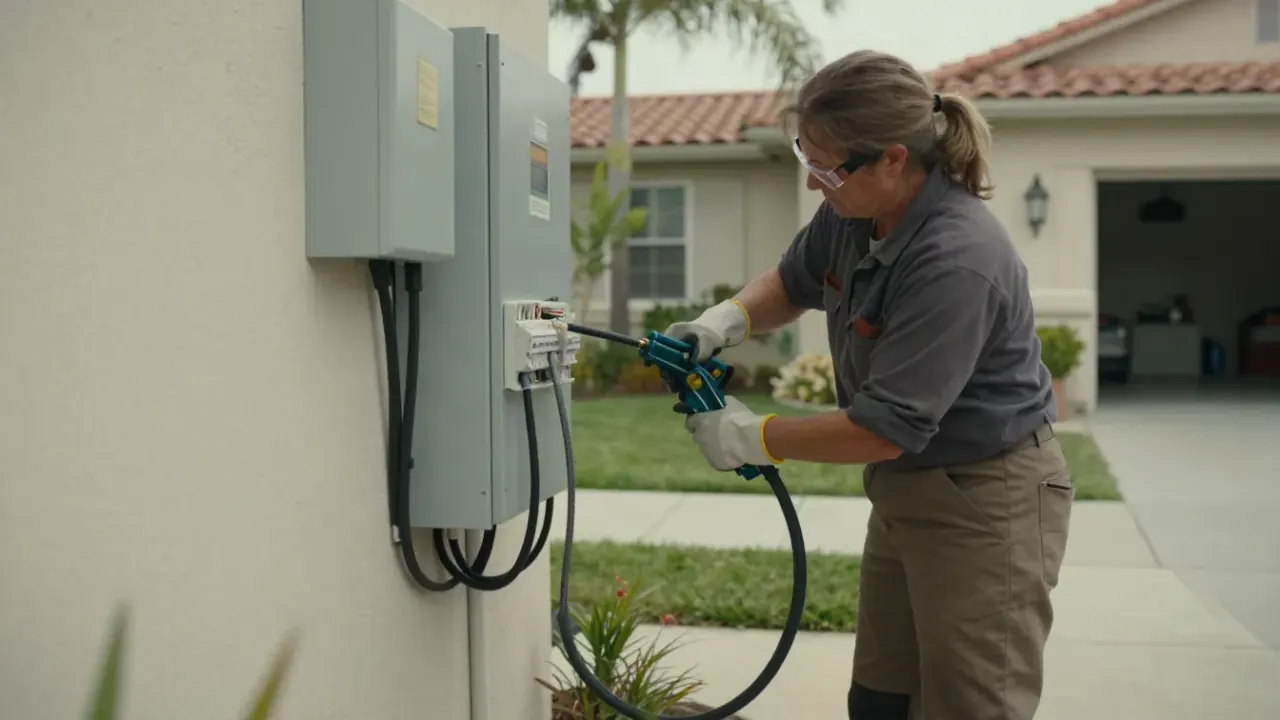
We power the circuit, verify voltage at the charger with a multimeter, and run a live charging session to confirm the unit communicates with the vehicle. Then we meet the city inspector. Once it passes, you get the sign-off paperwork and a walkthrough of the breaker.
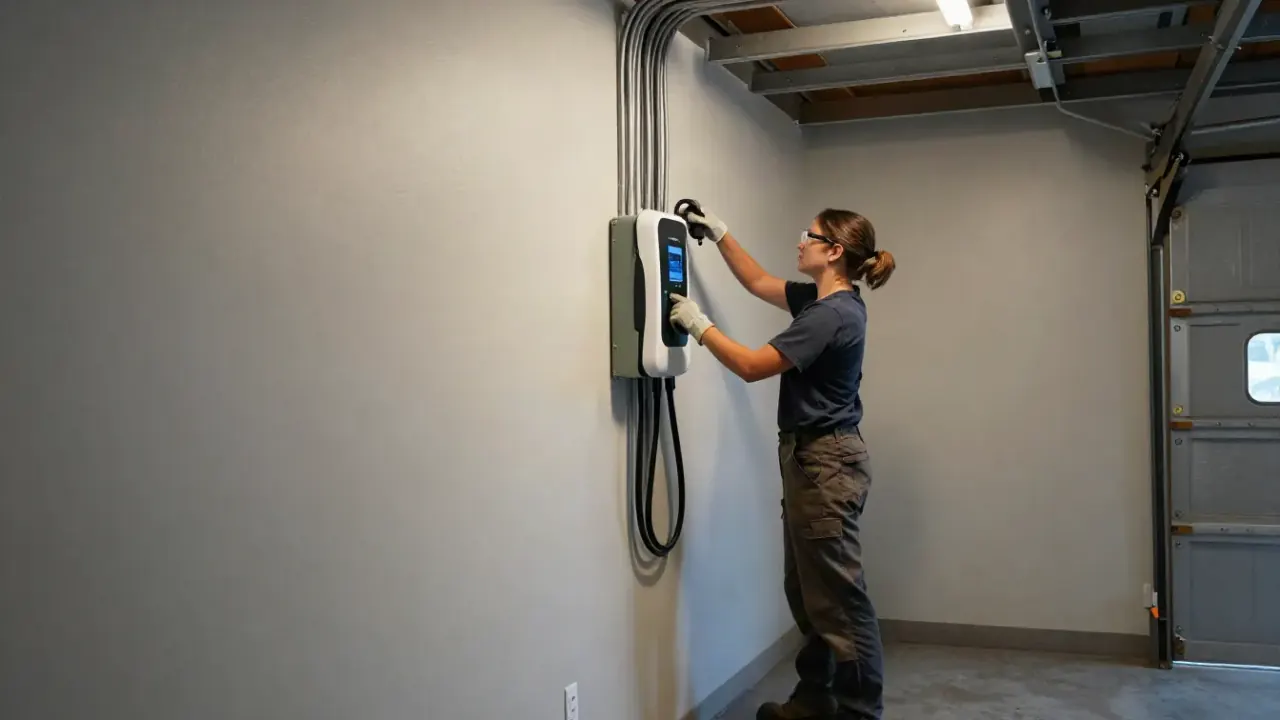
Used to tighten breaker and lug terminations to the manufacturer's specified inch-pounds. Loose connections are the leading cause of overheating at EV charging loads.
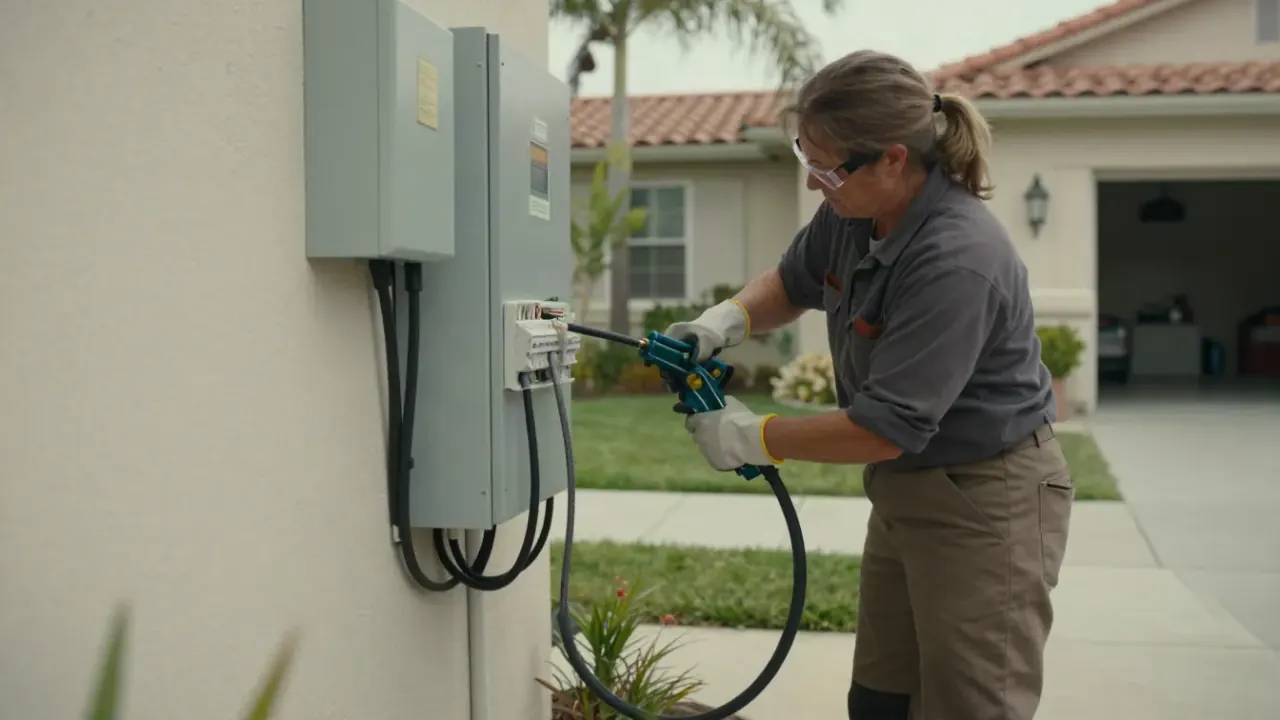
Verifies voltage at the charger, checks for ground faults, and confirms the circuit is wired correctly before we energize the vehicle.
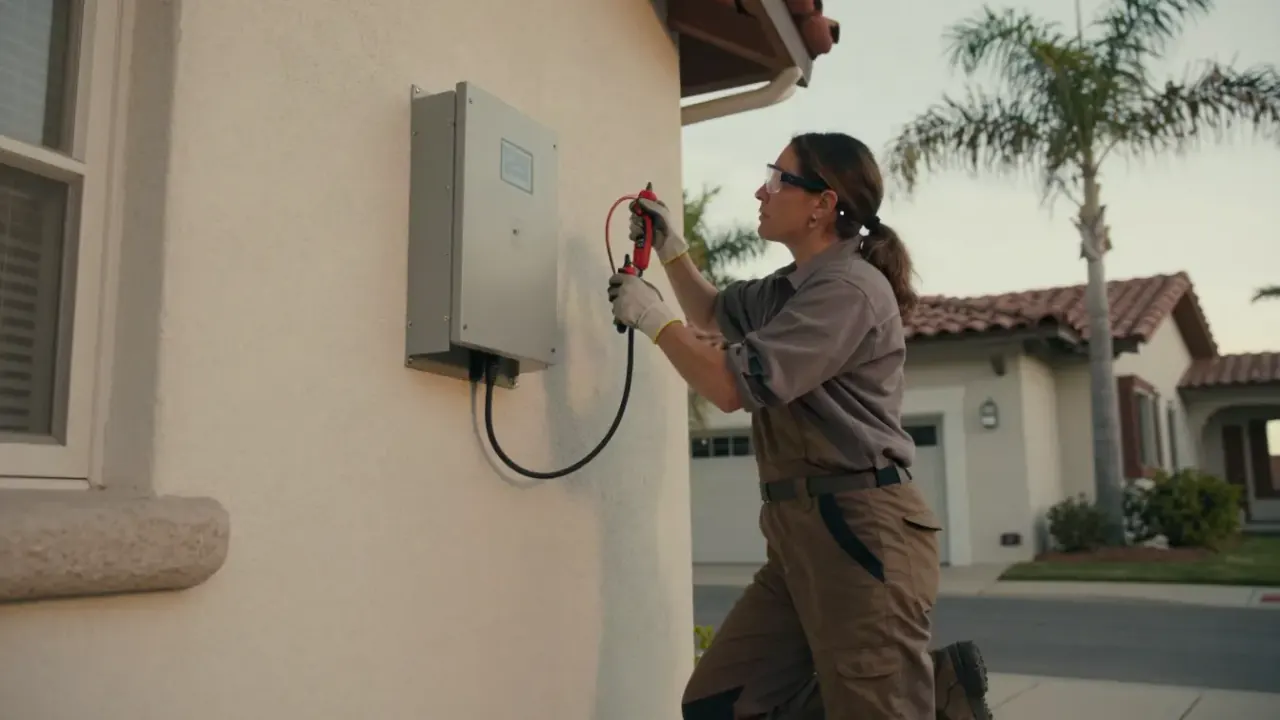
Strips 6 AWG and 8 AWG copper cleanly so the conductor seats fully in the terminal. Nicked strands create hot spots under continuous load.
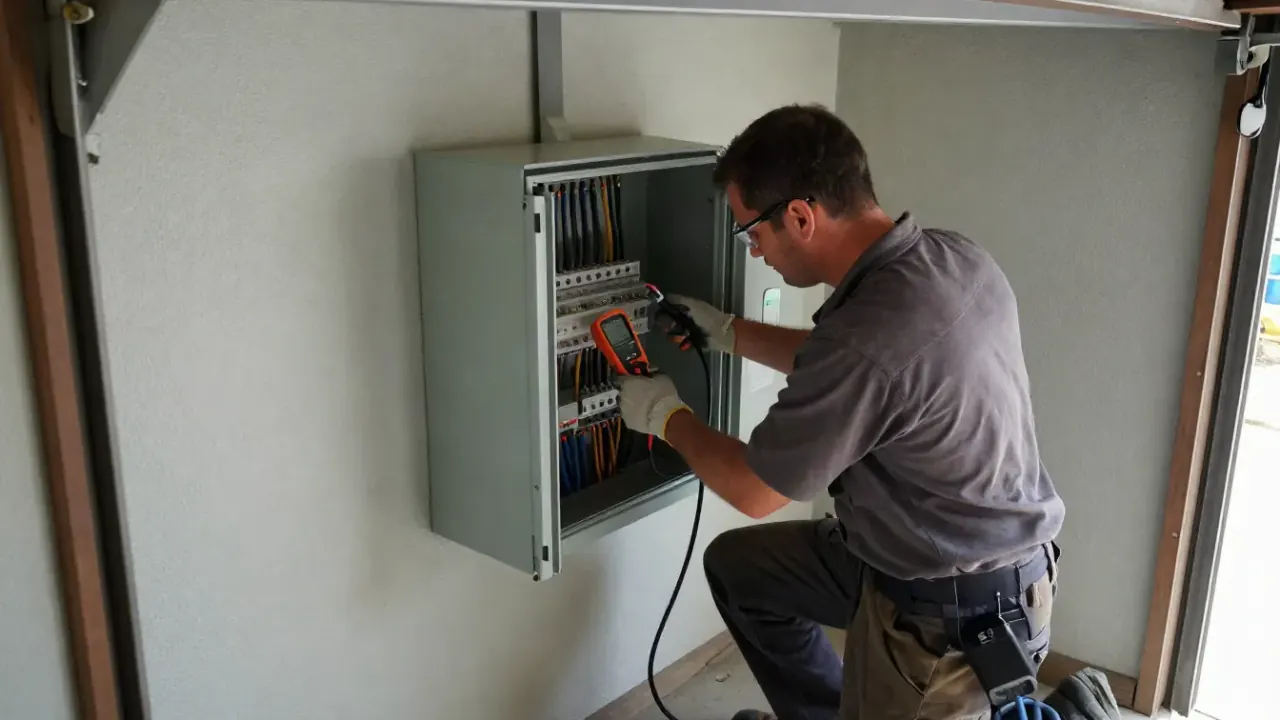
Secures the wire run through the panel, walls, and garage. Proper clamping protects the conductors from abrasion and keeps the install inspection-ready.
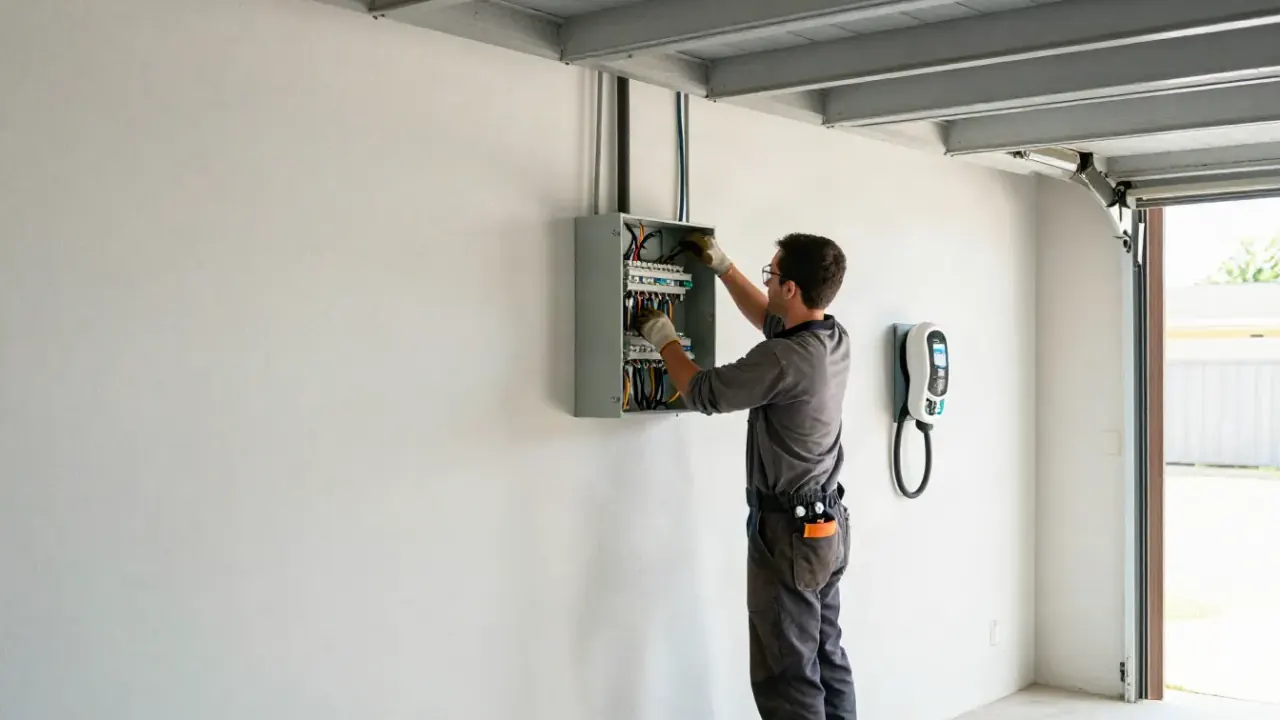
Mounts the Level 2 unit or stores the connector at a comfortable height. We match the bracket to your charger brand, whether it is Tesla, ChargePoint, or Wallbox.
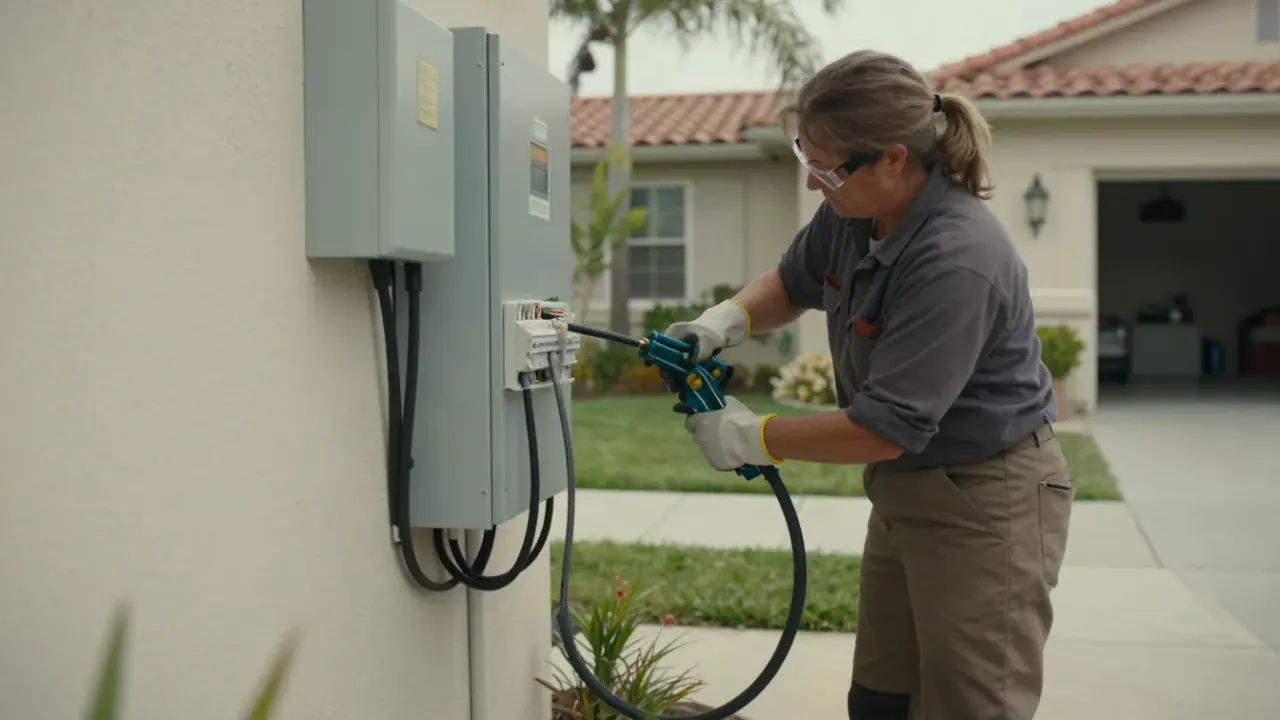
Provides the dedicated overcurrent protection for the circuit. We select the correct breaker type for the charger and the panel, including GFCI where code requires it.
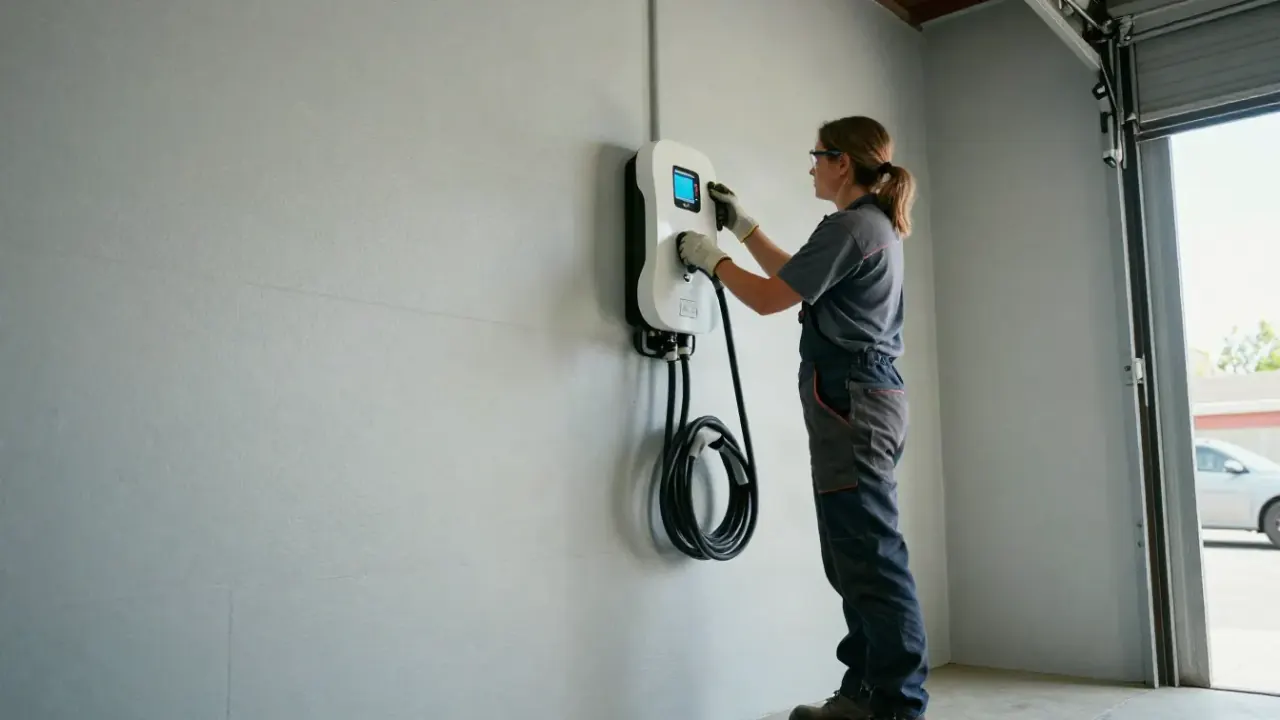
We total the existing household load and confirm the panel can carry the new continuous EV load. This is the step that tells you whether a 40-amp circuit fits or whether a subpanel is the honest answer.
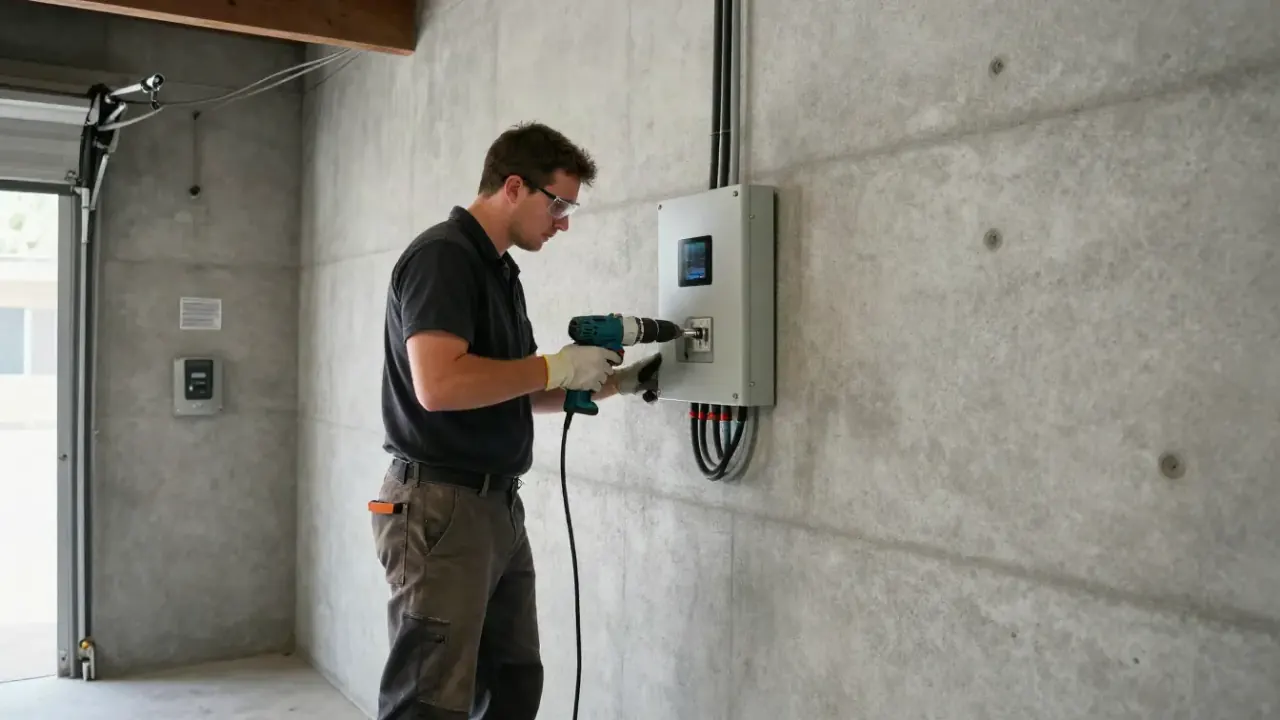
This article governs EV charging equipment installation, including conductor sizing, overcurrent protection, and disconnecting means. We follow it on every circuit so the install passes inspection the first time.
We install a dedicated 240V circuit and mount a Level 2 charger in your garage, sized to the car's onboard charger. If you already have a NEMA 14-50 outlet, we can often reuse the location and upgrade the circuit. You charge overnight at full speed and stop planning your day around public charging stations.
We assess total panel capacity, then run a second dedicated 240V circuit with its own breaker. If the service cannot carry both at once, we set up load management so both cars charge safely on a schedule. Two vehicles charge on one panel without nuisance tripping or a full service upgrade.
We provide the load calculation, circuit plan, and permit paperwork your HOA needs. For shared garages, we install a sub-metered circuit so your electricity usage stays on your bill. Board approval moves forward with a clean paper trail, and you charge in your own parking space.
We install a permitted, inspected 240V circuit with a labeled breaker and leave the documentation with you. Buyers see a code-correct install, not a handyman splice. Your listing shows a real EV charging setup, which is a concrete selling point in the South Bay market.
Redondo Beach sits in Los Angeles County with ZIP codes 90278 and 90277, and the housing stock changes block by block. North Redondo and Villas North have newer townhomes with 200-amp panels and attached garages, which usually makes for a straightforward install. South Redondo, The Avenues, and El Nido have older bungalows where the panel may be a 100-amp unit mounted outside, and the garage may be detached. Those runs take longer and sometimes need a subpanel. Coastal air means mild temperatures, so we are not fighting extreme heat, but salt air does corrode outdoor terminations over time, and we account for that with proper conduit and sealed fittings. If you are searching for a 240-volt dedicated circuit for EV charger near me Redondo Beach, the first question is always panel capacity. We check it before quoting, so the number you hear on the phone is the number on the invoice.
A North Redondo homeowner had a 200-amp panel with no open breaker slots and was charging a Tesla on a 120V cord. The car added about 4 miles of range per hour, and the owner was driving to a public station twice a week.
We freed space with a quad breaker, ran a 60-amp dedicated circuit with 6 AWG copper, and hardwired a Tesla Wall Connector. The car now charges at 48 amps and adds roughly 40 miles of range per hour. The owner stopped using public chargers entirely.
Keep the breaker labeled and check the charger cable for wear once a year. If the breaker ever trips, reset it once and call us if it trips again.
A Riviera Village bungalow had a 100-amp outdoor panel and a detached garage 90 feet from the house. The owner wanted a NEMA 14-50 outlet but the panel had no capacity and the run was too long for standard wire.
We installed a 100-amp subpanel in the garage, ran a feeder from the main panel, and added a 50-amp dedicated circuit with 6 AWG copper to a NEMA 14-50 outlet. Voltage drop stayed under 3 percent and the charger pulls a steady 40 amps.
Check the subpanel breaker label once a year and keep the outlet cover closed when not in use. Salt air near the coast makes an annual visual check worthwhile.
A South Redondo condo owner wanted to charge an EV in a shared garage, but the HOA required metered usage and documentation before approval. The building panel had limited spare capacity.
We installed a sub-metered 240V circuit with its own breaker and provided the load calculation, permit record, and wiring diagram to the HOA. The owner charges overnight and pays only for the electricity the car uses.
Read the sub-meter monthly and compare it to your utility bill. Have the breaker and terminations inspected if charging speed ever drops noticeably.
Most charging complaints trace back to the circuit, not the car. Here are the issues we see most often in Redondo Beach garages and what it takes to correct them.
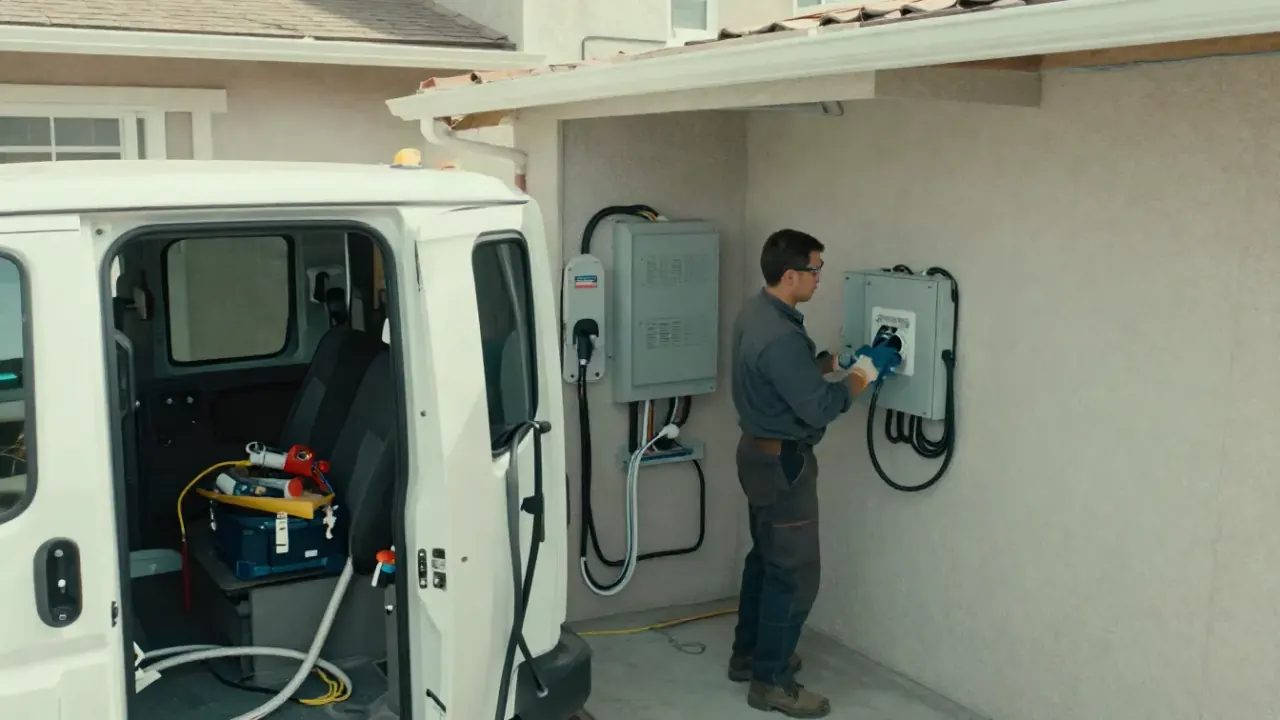
We install a dedicated 240V circuit sized to your charger, typically 40 or 60 amps, which delivers 25 to 40 miles of range per hour. You plug in at night and start every morning full, with no hot cords or tripped breakers. A standard household outlet adds only 3 to 5 miles of range per hour. If you drive 40 miles a day, you never catch up, and the cord and outlet run warm under continuous load.
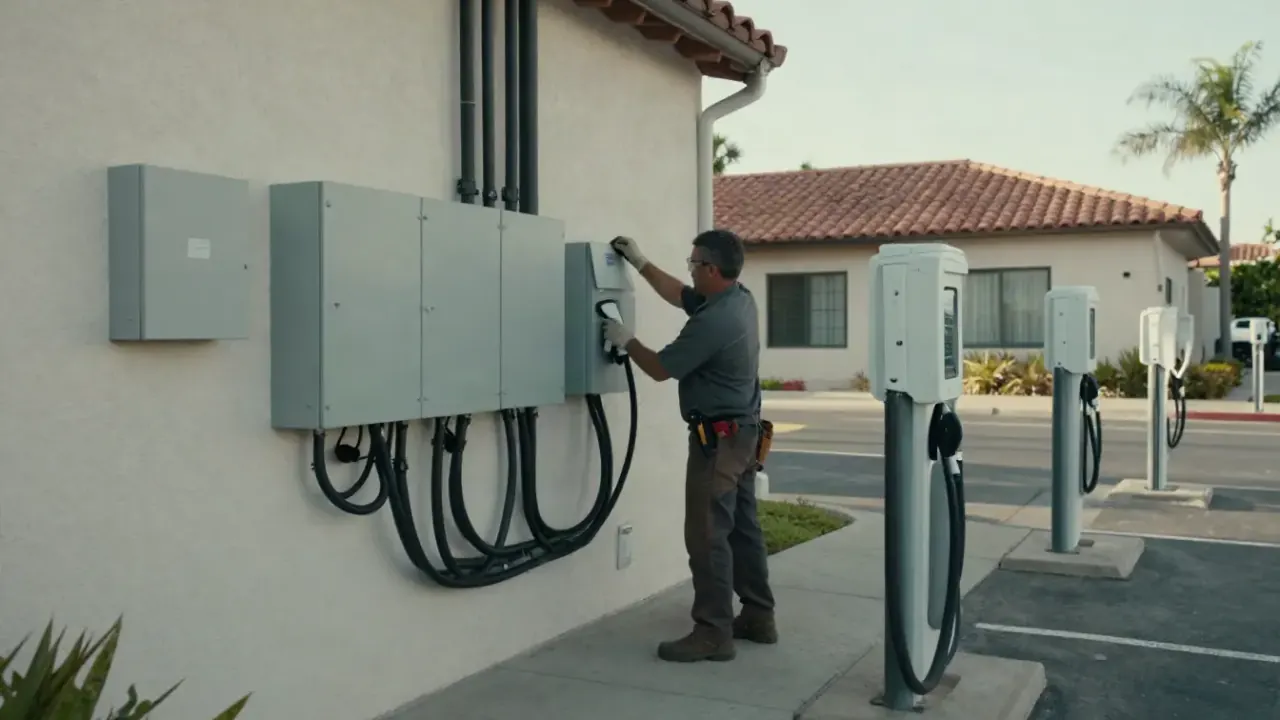
We run a load calculation, confirm the wire gauge and breaker rating, and give the charger its own dedicated circuit. If the panel is the bottleneck, we quote a subpanel or service upgrade so the circuit has the capacity it needs. Nuisance tripping usually means the circuit is shared, undersized, or landed on a breaker that cannot handle a continuous load. Ignoring it stresses the panel and can damage the charger.
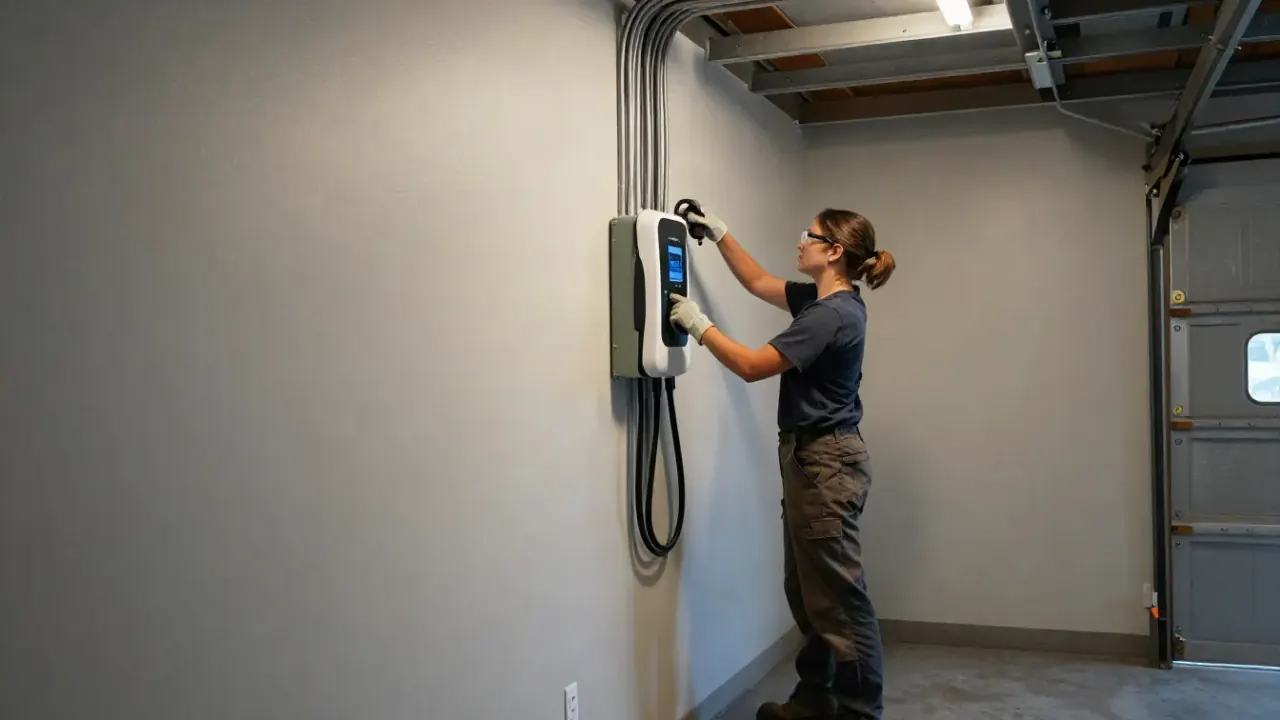
We check for quad breaker options first, which often frees up space at low cost. When that is not enough, we install a subpanel or upgrade the service. Either way, the new EV circuit gets its own breaker and a clean, permitted install. A full panel does not mean you cannot charge at home, but forcing a circuit into a maxed-out panel causes overheating, voltage drop, and code violations that fail inspection.
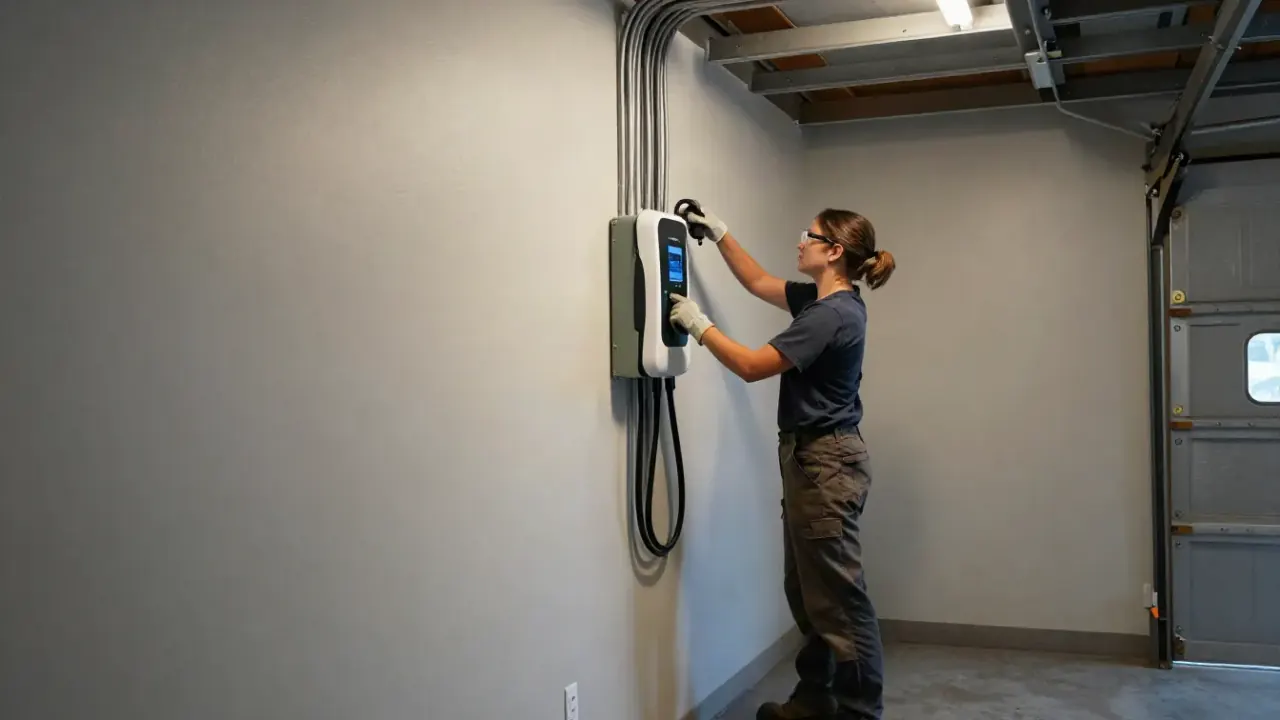
We inspect the terminations, re-torque the lugs, verify the ground, and test the breaker. If the wire gauge is wrong for the charger's rating, we replace the run. Most units recover once the circuit is corrected. Overheating often points to loose wiring connections or undersized wire. Communication faults can come from a ground fault or a bad breaker, and both shorten charger life.
A 40-amp circuit on a 240-volt dedicated circuit for EV charger Redondo Beach CA adds roughly 25 to 30 miles of range per hour. A 60-amp hardwired setup pushes that to about 40 miles per hour. You plug in at 9 p.m. and wake up to a full battery, even after a long day of errands across Los Angeles County.
Extension cords and plug adapters on a 120V outlet run hot and trip breakers. A dedicated circuit with the correct breaker, torque screwdriver-tightened lugs, and a proper cable clamp removes that fire risk. We also check for ground fault issues and voltage drop before we sign off on the work.
Tesla, ChargePoint, Enel X, JuiceBox, Wallbox, Emporia, ClipperCreek, Siemens, Schneider Electric, and Leviton all make Level 2 units that need a dedicated 240V feed. We match the breaker and wire gauge to the charger's nameplate rating, so the unit runs at its rated output without nuisance tripping.
A permitted, inspected 240V circuit is a documented upgrade. Buyers in Riviera Village and South Redondo ask about EV readiness, and a code-correct circuit with a clean permit record answers that question before it is asked. It is one of the few electrical projects that pays you back at resale.
Typical 2026 pricing in Redondo Beach runs $850 to $2,400 for a standard garage circuit with permit and inspection included. Short runs on a panel with open capacity land near the low end. Long conduit runs, detached garages, subpanels, and service upgrades move the number up. We quote a firm range after a phone assessment and a look at your panel, so you know the cost before we start. If you want a dedicated EV circuit installer Redondo Beach homeowners recommend, call and we will walk you through the numbers.
What your estimate is based on
$850 - $2,400 depending on scope The circuit is the foundation of home charging. Getting it permitted, correctly sized, and inspected once costs less than repairing a failed DIY install or replacing a charger damaged by bad wiring.
Clear records you can keep and share.
Circuit size, wire gauge, and route in plain terms
City sign-off for the new circuit
Breaker marked and photographed for your records
The circuit, not the charger, sets your charging speed. Panel capacity decides whether a 40 or 60-amp circuit fits without extra work.
The charger can only draw what the circuit supplies. A 60-amp circuit lets a 48-amp unit run at full output. A 40-amp circuit caps charging lower.
EV charging runs for hours, so wire and breakers are sized at 125 percent of the charger rating. A 40-amp charger needs a 50-amp circuit, not a 40-amp one.
Your panel must carry the new load along with everything else in the house. A load calculation tells you whether it fits or whether a subpanel is needed.
Outside these areas? Call and ask, we may still cover you. (310) 294-5464
Typical 2026 pricing in Redondo Beach runs $850 to $2,400 for a straightforward garage circuit, including permit and inspection. Short runs on a panel with open capacity land near the low end. Long conduit runs, attic or crawlspace routing, subpanel work, or a service upgrade push the number higher. We give you a firm range after a 10-minute phone assessment.
Yes, if you want Level 2 charging speed. A 120V household outlet adds about 3 to 5 miles of range per hour and is not designed for a continuous 12-amp load. A dedicated 240V circuit on a 40 or 60-amp breaker delivers 25 to 40 miles per hour and is the only code-correct way to run a Level 2 charger under NEC Article 625.
We do, and we handle the whole job: load calculation, permit, wire, breaker, charger mounting, and inspection. We work across North Redondo, South Redondo, Riviera Village, The Avenues, and the surrounding South Bay. Call (310) 294-5464 and we will tell you what your panel can support before you buy a charger.
Most installs take two to four hours on site. Add one to three business days for the permit to be issued, and a scheduled inspection after the work is energized. If your panel needs a subpanel or upgrade, plan on a full day. We give you a realistic timeline up front so you can plan around the charger delivery date.
We answer the phone, show up when we say we will, and pull the permit. Call (310) 294-5464 for a straight answer on what your panel can support and what the job will cost.
Call us at (310) 294-5464 or send a note and we will get back to you the same business day. Tell us the car, the charger you want, and where it is going, and we can often give you a ballpark before we drive out. We are in Redondo Beach, California and work Los Angeles County daily.